Scrape moss off your patio with a stiff-bristled brush or plastic scraper first, then hit it with a cleaning solution (diluted bleach for concrete and brick, or white vinegar for sensitive stone and travertine), let it dwell for 10 to 15 minutes, and rinse thoroughly. That's the core workflow.
How to Scrape Moss Off a Patio Step-by-Step Guide
Dylan Hale
29 Apr 2026
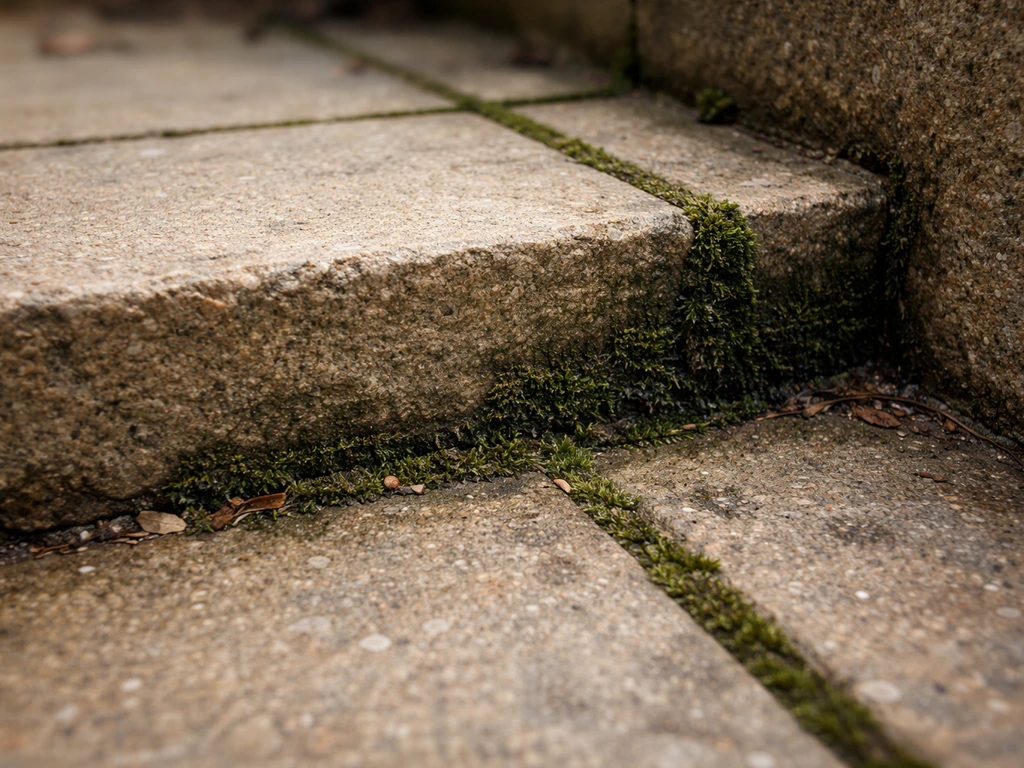
That's the core workflow, and if your main goal is removing moss from patio grout, you'll want to pay extra attention to the grout-line scraping and targeted cleaning steps how to remove moss from patio grout. But the right approach depends heavily on what your patio is made of, because the same chemical that's safe on concrete can etch travertine or wash out the joint sand between pavers.
This guide walks you through the full process, surface by surface, so you get it right the first time.
Moss, algae, or lichen? Know what you're dealing with first
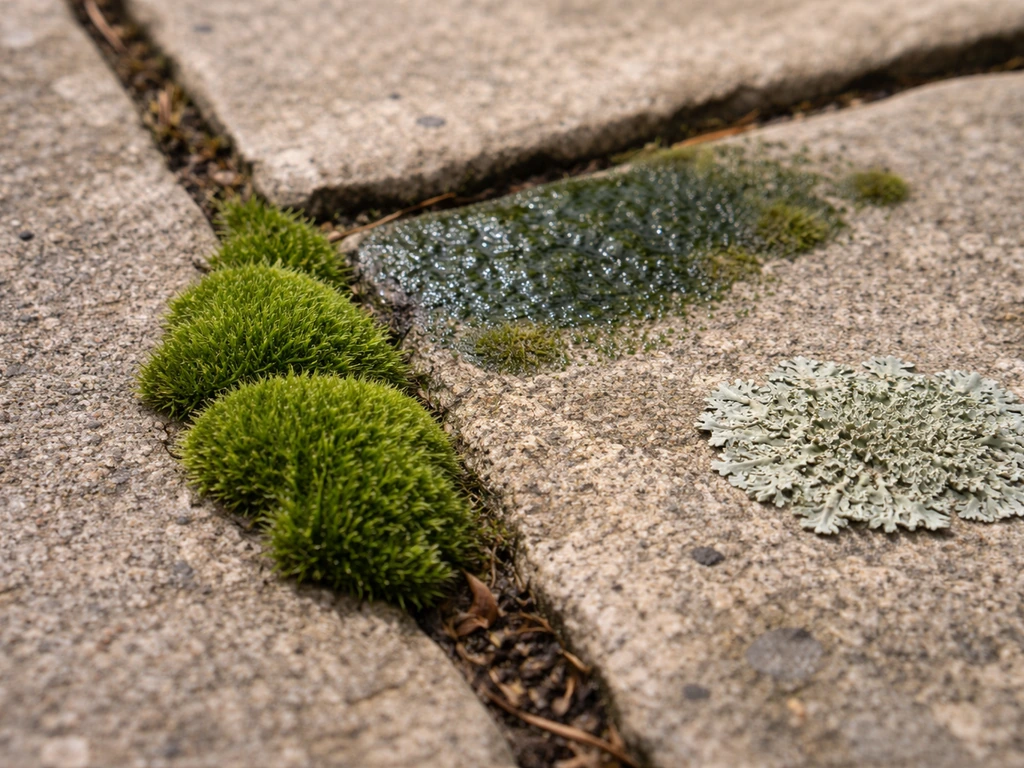
Before you grab a brush, take a closer look at what's growing on your patio. Moss looks like a soft, green, tufted carpet, often sitting in the grout lines or in shaded corners. Algae tends to be a thinner, slimier film, usually dark green or even black, and it's what makes wet patios genuinely dangerous to walk on. Lichen is the crusty, patchy growth that looks almost painted on, often gray, orange, or whitish, and it's actually a combined organism (fungus plus algae) that bonds tightly to hard surfaces. Lichen is the hardest of the three to remove and sometimes needs more than one treatment.
All three thrive under the same conditions: shade, moisture, and poor drainage. If your patio sits under a tree canopy, butts up against a north-facing wall, or drains poorly after rain, you're going to keep fighting this. Cleaning the moss off is the quick fix. Changing those conditions is the real prevention, and I'll cover that at the end.
Before you start: prep the area and protect what matters
Skipping prep is how you end up with dead plants, a stained planter, or a bleached-out decorative border. Take 10 minutes to do this properly.
- Move patio furniture, planters, and any decorative items completely off the surface.
- Cover nearby plants and garden beds with plastic sheeting if you're using a bleach-based cleaner. Keep the plastic loose and don't leave it on for more than 20 to 30 minutes because heat builds up underneath and can scorch leaves.
- Pre-wet surrounding soil and grass with a garden hose before you start. This dilutes any runoff that reaches plant roots.
- Keep pets and children away from the area until the surface has been fully rinsed and dried.
- Put on rubber gloves, eye protection, and old clothes. If you're using bleach, add a face mask to avoid inhaling fumes.
- Check that your patio drain or runoff path won't direct chemical-laden water into a storm drain or waterway.
One more thing: if your patio has reinforced concrete or has been sealed, read the section on material-specific guidance below before choosing a cleaner. Sodium hypochlorite (bleach) can introduce chlorine ions that may, over repeated use, affect reinforced concrete's long-term integrity. It's fine for a one-off clean, but you don't want to be bleaching reinforced concrete slabs every few months.
How to scrape moss without damaging your patio
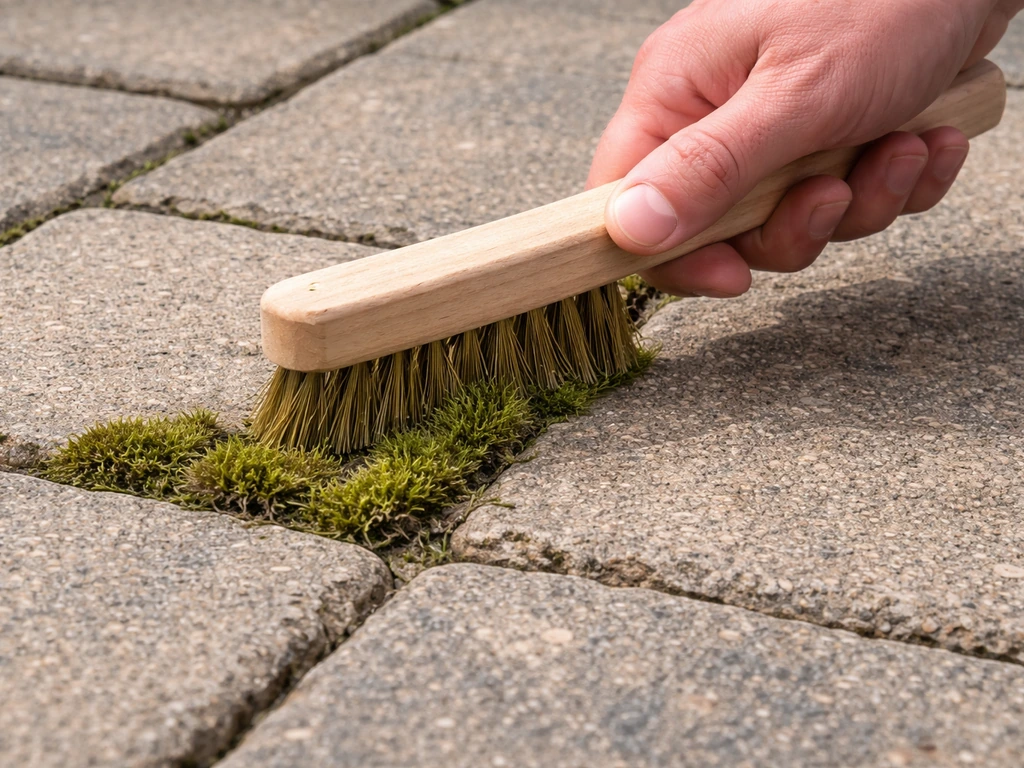
Manual removal is always step one, even if you plan to follow up with a chemical treatment or pressure wash. Physically clearing the bulk of the growth means your cleaner can actually reach the surface instead of just sitting on top of a layer of organic matter.
For most patio surfaces, a stiff-bristled outdoor brush (sometimes called a deck brush or scrubbing broom) is your best tool. Use firm, short strokes and work from the edges of the moss inward to stop spreading spores across clean areas. For moss in grout lines, a hand-held stiff brush or an old grout brush works better than a wide broom. After you loosen the moss or algae, focus your scrubbing on the grout lines so you can learn how to use a brush in patio grout without damaging the joint material how to use brush in patio grout.
If the moss is thick and established, a plastic scraper or a wooden spatula can get under the bulk of it before you start brushing. Avoid metal scrapers on natural stone, travertine, or polished pavers because they can leave scratches. On concrete and brick, a metal scraper is fine as long as you're not gouging the surface. The goal here is to lift and discard the bulk of the growth, not to scrub the surface clean yet. That comes after your cleaning solution does its work.
Wet moss is slippery and compresses under a brush. I've found it's actually easier to dry-scrape first if conditions allow. Let the patio dry out on a warm day, then scrape, then apply your solution. If it's been raining, scrape what you can and move straight to the chemical step.
Hose vs. pressure washer: which to use and when to avoid power washing
A garden hose with a spray nozzle is enough to rinse loose moss and cleaner residue off most patios. It won't strip the surface, it won't blast out joint sand, and it's safe for every material on this list. If the moss isn't thick and hasn't been there for years, a hose plus a good scrub brush and the right cleaner is all you need.
Pressure washing is faster and more effective on stubborn, heavily colonized surfaces, but it comes with real risks depending on your patio type. A strong pressure jet can wash out the cement particles and mineral binders between materials, especially on natural stone and textured concrete. On paver patios specifically, high pressure removes joint sand (including polymeric sand), which destabilizes the interlock between pavers and can lead to shifting, sinking, and weed penetration. In an r/landscaping discussion about topping off polymeric sand after power washing, people also report that pressure washing can remove or disturb the joint material and that they need to reapply it after cleaning. On flexible-base paver installations, pressure washing is not recommended at all.
If you do use a pressure washer, keep the pressure at or below 1,500 PSI for most residential patios, use a wide-angle nozzle (40-degree), and keep the wand moving. Never aim directly at grout lines or joints. For pavers with polymeric sand in the joints, consider a soft-wash approach instead: lower pressure, longer dwell time with your cleaning solution, and a thorough rinse with a regular hose.
| Method | Best for | Avoid when |
|---|---|---|
| Garden hose + brush | All surfaces, light to moderate moss | Heavy, deeply rooted growth that won't shift mechanically |
| Pressure washer (low PSI, wide nozzle) | Concrete slabs, heavy moss on hard surfaces | Pavers with polymeric sand, travertine, loose grout joints |
| Soft wash (low pressure + chemical dwell) | Pavers, natural stone, sensitive surfaces | When you need immediate results (dwell takes 10–60+ min) |
Cleaning solutions: bleach vs. vinegar (and how to apply each)
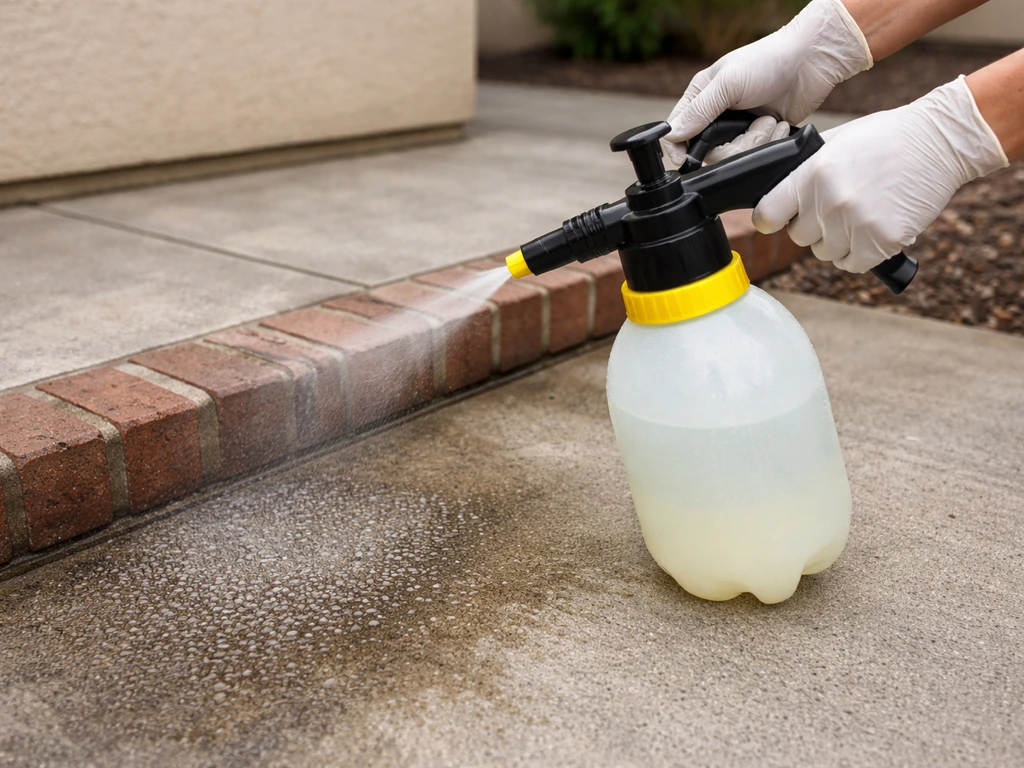
Bleach and sodium hypochlorite
A diluted bleach solution is the most effective readily available cleaner for moss, algae, and lichen on concrete and brick. Standard household bleach contains around 5 to 6% sodium hypochlorite, which is enough for most residential moss problems. For general moss and algae, mix 1 part bleach with 4 parts water.
The CDC bleach dilution guidance for environmental cleaning includes using dilution math for liquid bleach solutions, such as mixing bleach with water before applying it mix 1 part bleach with 4 parts water.
For heavy, established growth, go stronger: 1 part bleach to 3 parts water. Apply it to the surface with a pump sprayer or a mop, making sure the whole affected area is wet. Let it dwell for at least 10 minutes, and up to 15 minutes for thick or stubborn growth. You'll see the moss start to discolor and die.
Then scrub with your stiff brush and rinse thoroughly with a garden hose.
After rinsing the patio, go back and generously re-water any surrounding plants or lawn that may have caught runoff. This dilutes any bleach that reached the soil. Don't let bleach solution pool or sit in garden beds.
Oxygen-based cleaners
If you want a non-chlorine alternative that's safer around plants and pets, an oxygen-based (percarbonate) cleaner is a solid choice. These are sold as patio cleaners or deck cleaners at most hardware stores. They work more slowly than bleach but are gentler on surfaces. Apply the solution per the product instructions, and plan for a dwell time of at least 60 minutes, keeping the surface wet.
After applying Fence Armor EXPERT Eco Cleaner, rinse the entire surface after 10 to 15 minutes as directed on the product label plan for a dwell time of at least 60 minutes, keeping the surface wet. Scrub and rinse as usual. These are worth considering if you have pets that use the patio regularly or if your patio drains directly into a planted area.
White vinegar
White vinegar (5% acetic acid) is the gentler, eco-friendly option. It's best suited for sensitive surfaces like travertine and natural stone where bleach risks etching or discoloration, and it's genuinely safe for pets, people, and surrounding plants. Apply undiluted white vinegar directly to the mossy area, let it sit for 15 to 20 minutes, then scrub and rinse. It works well on light to moderate moss growth. For heavier growth, you may need two applications. The downside is that vinegar is less effective on lichen and doesn't kill moss spores as reliably as bleach, so regrowth can happen faster.
One caution: even though vinegar is gentler than bleach, it is still mildly acidic. Don't use it on polished or honed limestone, travertine, or marble without testing a small hidden area first, because acids can dull polished finishes over time.
What to use on your specific patio material
Concrete
Concrete is the most forgiving surface to clean. A 1:3 or 1:4 bleach-to-water solution applied with a pump sprayer, left for 10 to 15 minutes, scrubbed, and rinsed works well. You can use a pressure washer on concrete at up to 2,000 to 3,000 PSI, but keep the nozzle moving to avoid surface etching or streaking. One thing to watch: if your concrete is reinforced with rebar or steel mesh, avoid repeated bleach treatments over time, since chlorine ions can eventually contribute to internal corrosion. For ornamental or stamped concrete, test a small area first and stick to lower concentrations.
Brick
Brick handles bleach well. Use the same 1:4 dilution, apply, scrub with a stiff brush, and rinse. The mortar joints are the more vulnerable part: avoid directing high-pressure water at them, and if you notice any mortar already crumbling or loose, deal with that before you start scrubbing aggressively. Moss and algae love to work into cracked mortar and make it worse. If you have moss growing specifically in the grout lines between bricks, treating those joints directly with a brush and a targeted application of your cleaner works better than a wide spray.
Pavers (concrete or clay)
Pavers need the most careful approach. The joints between pavers, whether filled with regular sand or polymeric sand, are what hold the whole installation stable. High-pressure washing blasts out that sand, and once it's gone, the pavers shift and wobble. Stick to a garden hose or low-pressure wash (under 1,500 PSI with a wide nozzle), and let your cleaning solution do the heavy lifting. A diluted bleach solution or an oxygen-based cleaner applied with a pump sprayer and left for 10 to 15 minutes will loosen the moss so it can be scrubbed and rinsed away with minimal water force. After cleaning, check the joints and top up with fresh sand if any has been lost.
Natural stone (flagstone, slate, sandstone)
Natural stone is porous and can absorb cleaning chemicals, which means runoff from a bleach treatment can stain the stone face or drive the stain deeper if not rinsed fast. Apply bleach solutions sparingly and rinse quickly once the dwell time is up. For softer or more porous stones like sandstone or certain flagstones, vinegar or an oxygen-based cleaner is the safer first choice. Avoid acid-based cleaners entirely. Never use a pressure washer on natural stone above 1,200 to 1,500 PSI, and avoid concentrating the jet on one spot.
Travertine
Travertine is calcite-based, which means it reacts badly to acids. That rules out muriatic acid cleaners and means you should be cautious with vinegar too on polished finishes. For travertine, your best options are a pH-neutral stone cleaner or a mild oxygen-based cleaner. Apply, let dwell for 30 to 60 minutes, scrub gently with a soft-bristled brush (not a metal scraper), and rinse thoroughly. Pressure washing is not recommended on travertine because it can pit the surface and widen the natural voids in the stone. Stick to a garden hose.
When the moss won't shift: troubleshooting common problems
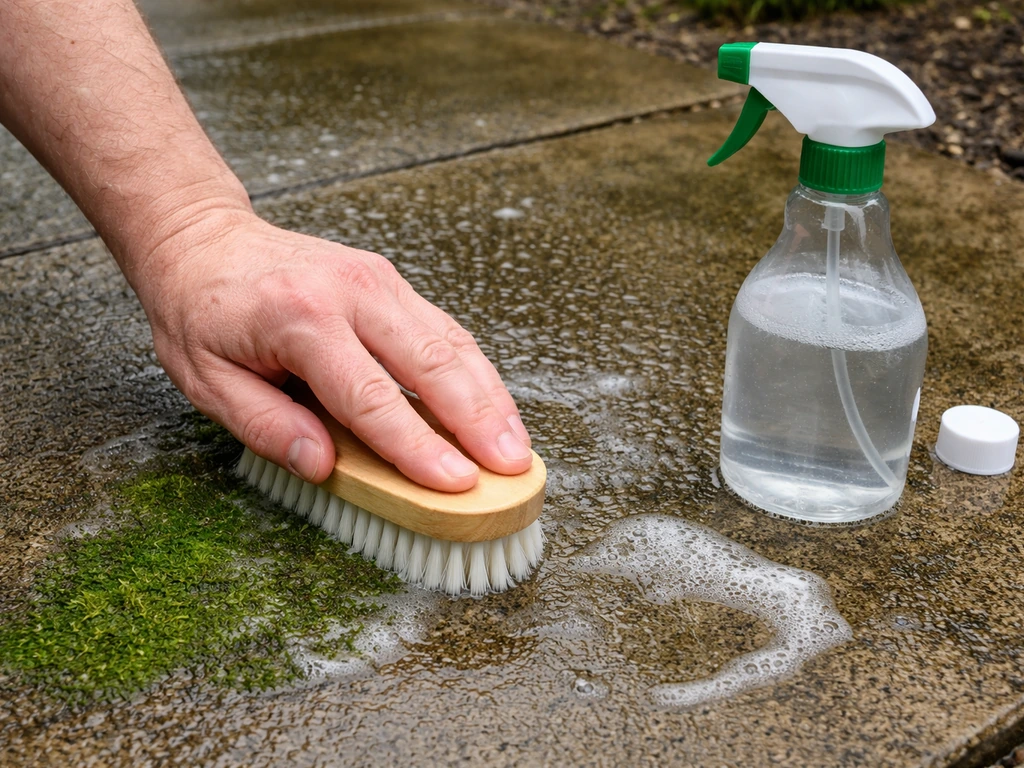
- Moss not lifting after scrubbing: If scrubbing after the dwell time isn't moving it, apply a second coat of solution and wait another 10 minutes before scrubbing again. Established moss can have roots (rhizoids) penetrating grout lines and surface pores, and one treatment isn't always enough.
- Dark staining left behind: Moss and algae can leave a dark pigment behind even after the growth is gone. This is especially common on lighter concrete and stone. A second bleach application targeted at the stained area, with a slightly stronger mix (1:2 for concrete only), usually lifts it. For stone, try an oxygen-based cleaner with a longer dwell time.
- Slippery residue after rinsing: If the surface still feels slick after cleaning, the algae or biofilm isn't fully gone. Scrub again with your brush while the surface is still wet, then rinse more thoroughly.
- Surface looks etched or discolored after cleaning: You've likely used a cleaner that's too aggressive for the material, or a pressure washer at too high a PSI. For etched travertine or natural stone, a stone-specific sealer can help cosmetically, but the etching itself is permanent. Going forward, drop to a gentler cleaner.
- Lichen won't come off: Lichen is genuinely stubborn. Apply your cleaner, let it dwell for 15 minutes, scrub hard, then leave a second application on overnight if weather allows. Lichen often needs two or three treatments and a few days to fully die off and release from the surface. Don't force it with a metal scraper on delicate stone.
Keeping moss from coming back
Here's the honest truth: if the conditions that caused moss to grow haven't changed, it will come back. Cleaning removes the visible growth, but moss spores are everywhere. Sodium hypochlorite, commonly referred to as bleach, is a recommended disinfectant in farm and veterinary guidance, and proper dilution is important for inactivating fungal spores. Give them shade, moisture, and a rough surface to grip and they'll recolonize within weeks to months. Realistic regrowth timelines vary, but in shaded, damp patios expect to repeat a light treatment every 3 to 6 months and do a full scrub annually.
To actually reduce how often you're dealing with this, work on the underlying conditions:
- Improve light and airflow: Trim overhanging branches and shrubs to let more sun reach the patio. Even an extra hour of direct sun per day makes a meaningful difference.
- Fix drainage: If water pools on your patio after rain, address the grade or add a drain channel. Standing water is the biggest driver of moss and algae.
- Brush regularly: A quick scrub with a stiff dry brush every few weeks, especially in autumn when organic debris builds up, stops moss from getting established.
- Apply a patio sealant: On concrete and brick, a breathable masonry sealer reduces the porosity that moss roots exploit. Reapply every 2 to 3 years. For natural stone and travertine, use a stone-specific impregnating sealer. Don't seal over existing moss or damp surfaces.
- Use a moss inhibitor: After cleaning, some patio treatments include a biocide or moss inhibitor that leaves a residual barrier. These are worth using after your annual clean, following product label guidance carefully to protect surrounding plants.
If moss keeps coming back in the grout lines specifically, that's a separate but related problem. To finish the job, make sure you also clean and maintain the grout lines, since that’s where staining and grime build up first. If you’re trying to remove patio grout, you’ll want to focus on the joints and use the right grout-removal method for your tile or paver material. Keeping grout lines tight, well-filled, and free of organic debris is the best defense. If you've been battling that issue, it connects directly to how you maintain the joints between your pavers or tiles over time.
One last thing: after any cleaning treatment, wait until the patio is fully dry before putting furniture back or letting pets on the surface. Let the patio dry completely after cleaning before you put furniture back or let pets on it how to dry grout a patio. A freshly cleaned wet patio can still be slippery, and you want to make sure any cleaner residue has fully dissipated before kids or animals are back on it.
FAQ
How long will it take before the moss looks completely gone after scraping and rinsing?
Bleach works quickly on moss, but “dead” growth can still look greenish for a day or two, especially in grout. Wait at least 24 hours after rinsing, then do a light spot scrub. If dark, slimy algae returns within a week, you likely need a second targeted treatment rather than repeating full saturation.
What should I do if it turns out to be algae instead of moss?
If you see a black or dark, slimy film, treat it as algae rather than moss. Algae often spreads across the surface as a continuous film, so aim the cleaner evenly and scrub with short strokes, then rinse well. If the patio stays visibly slick after drying, increase dwell time slightly next round.
Can I just use water or a scrub brush, without chemicals?
Yes, but don’t rely on a hose alone if the growth is rooted in grout. Scrape first to remove the bulk, then use a cleaner with the right dwell time (10 to 15 minutes for bleach on suitable surfaces, longer for oxygen cleaners). Skipping dwell time is one common reason moss returns quickly.
How long should I keep pets and children off the patio after cleaning?
For safety, keep pets and kids off the surface until you have a complete dry. Also, avoid letting runoff sit in plant beds, you should water surrounding plants after rinsing if you used bleach or any strong cleaner. Even vinegar should be fully rinsed and dried before foot traffic.
What’s the best way to clean moss specifically in patio grout lines without damaging the joints?
If moss is in grout lines, a wide sprayer can miss the joint and leave residue that encourages regrowth. Use a hand brush or grout brush, apply cleaner so it wets the joint fully, then scrub the lines and rinse carefully without blasting them.
Can I use a metal scraper if my patio is stone or has a polished finish?
Metal scrapers can gouge natural stone and polished or textured pavers. If you see scratching or dull spots after scraping, switch to a plastic scraper or wooden spatula and focus on loosening followed by chemical dwell time to reduce the need for force.
I have pavers with polymeric sand, can I pressure wash to remove moss faster?
Don’t pressure wash polymeric-sand paver joints, because the sand can wash out and lead to shifting. If you must clean, stay under 1,500 PSI with a wide nozzle or use a soft-wash approach: lower pressure, longer cleaner dwell, and thorough hose rinse, then inspect and top up joints if any sand is lost.
What if the grout or mortar is already cracked or crumbling before I clean?
Yes. If you can see any loose, crumbling mortar or joint failure, fix that first. Loose material will keep trapping organic debris, so treating over failing joints usually gives short-lived results and can worsen the damage when you scrub.
Why does my patio sometimes get streaks or spots after using bleach?
Bleach helps but can cause streaking or discoloration if it dries on the surface. Apply to keep the area wet for the full dwell time, then rinse thoroughly right after. For tough staining, repeat the targeted application rather than letting runoff dry out.
Is it safe to use bleach on reinforced concrete every year?
For concrete or brick, a one-off lower concentration is usually fine, but repeated bleach use on reinforced concrete is the issue. If your slab is reinforced (for example, rebar or mesh), reduce frequency, consider oxygen-based cleaner for regular maintenance, and avoid “seasonal bleach” routines.
Will white vinegar remove lichen, or do I need a different cleaner?
Vinegar is gentler, but lichen often requires more than one round. If you treat with vinegar and nothing changes after the second attempt, switch to an oxygen-based cleaner for a gentler route or use bleach on the appropriate surface for stronger results.
How can I stop moss from coming back so quickly on shaded patios?
Yes, and it prevents future work. After rinsing, fix drainage and reduce shade moisture when possible, and use periodic maintenance like a light scrub and quick spot treatment. If you get regrowth mainly in grout lines, keep joints tight and free of organic debris because that’s where it restarts.
How do I know the patio is safe and not still slippery after cleaning?
It depends on whether you’re dealing with moss versus a slick algae film. A patio can feel “dry” but still be slippery if residue remains or if algae regrows. Wait until fully dry and do a small test step, if it feels slick after drying, repeat rinse and increase scrubbing next time.
Next Articles
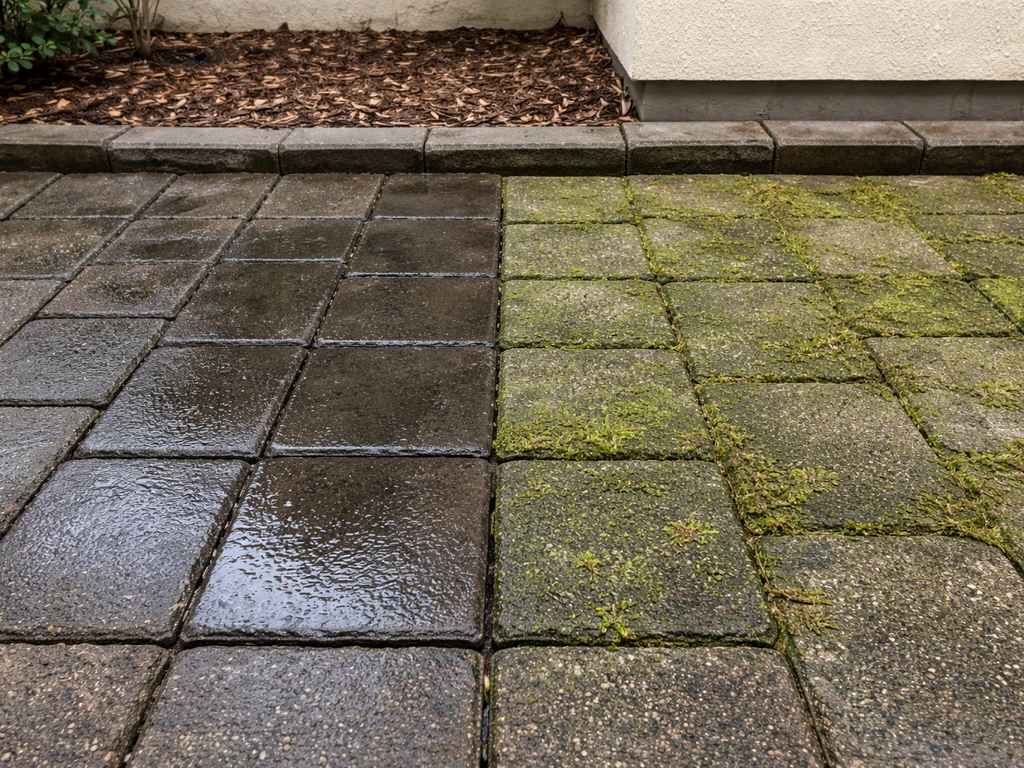
How to Remove Moss From a Patio: Step-by-Step Guide
Step-by-step guide to remove moss and algae from concrete, slabs, and pavers, with safe cleaners, pressure wash tips, an
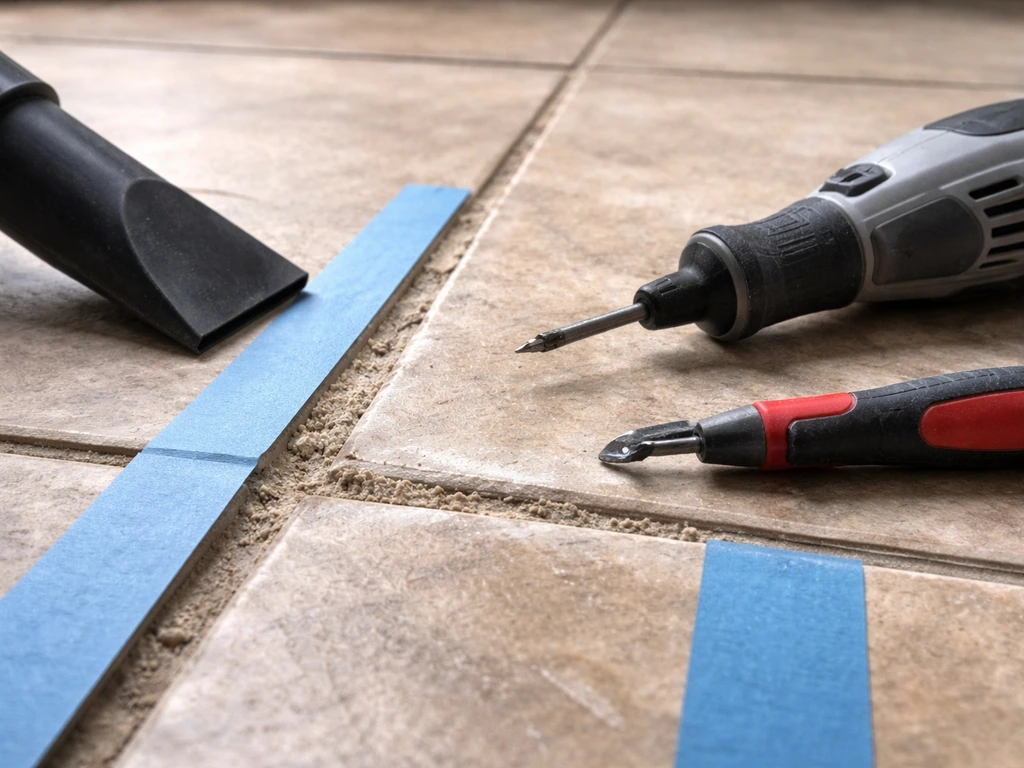
How to Remove Patio Grout Without Damaging Tiles
Step-by-step removal of patio grout, old and hard, using hand and power tools safely without damaging tiles. Includes af
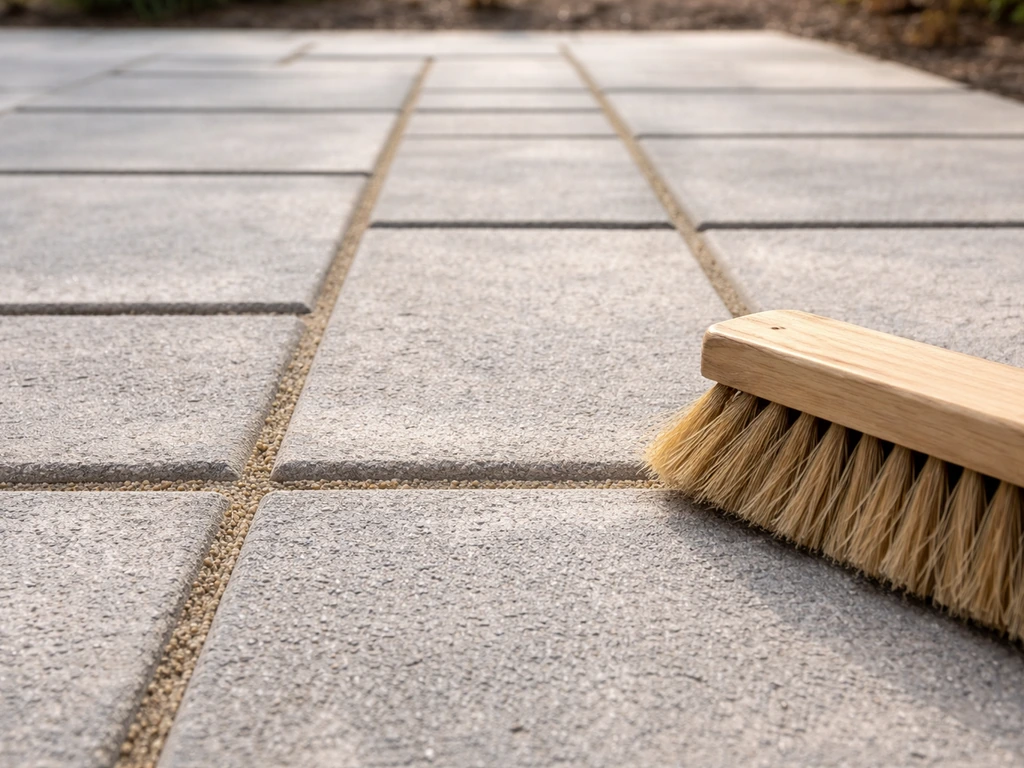
How to Dry Grout a Patio: Step-by-Step Guide
Step-by-step guide to dry grout patio joints: prep, grout choice, application, drying time, fixes for gaps, haze, and wa