To get mold off a brick patio, scrub it with a diluted bleach solution (1 cup of household bleach per gallon of water), let it sit for 10–15 minutes, scrub with a stiff-bristled brush, then rinse thoroughly. If you have a pressure washer, use it at 1,200–2,000 PSI with a 25° or 40° fan nozzle held 18–30 inches from the surface. That combination clears most mold in a single session. The rest of this guide covers how to do it safely, what to use if you want to avoid bleach, and how to stop the mold from coming back.
How to Get Mold Off Brick Patio: Step-by-Step Clean
Dylan Hale
12 Jun 2026
Why mold keeps showing up on your brick patio
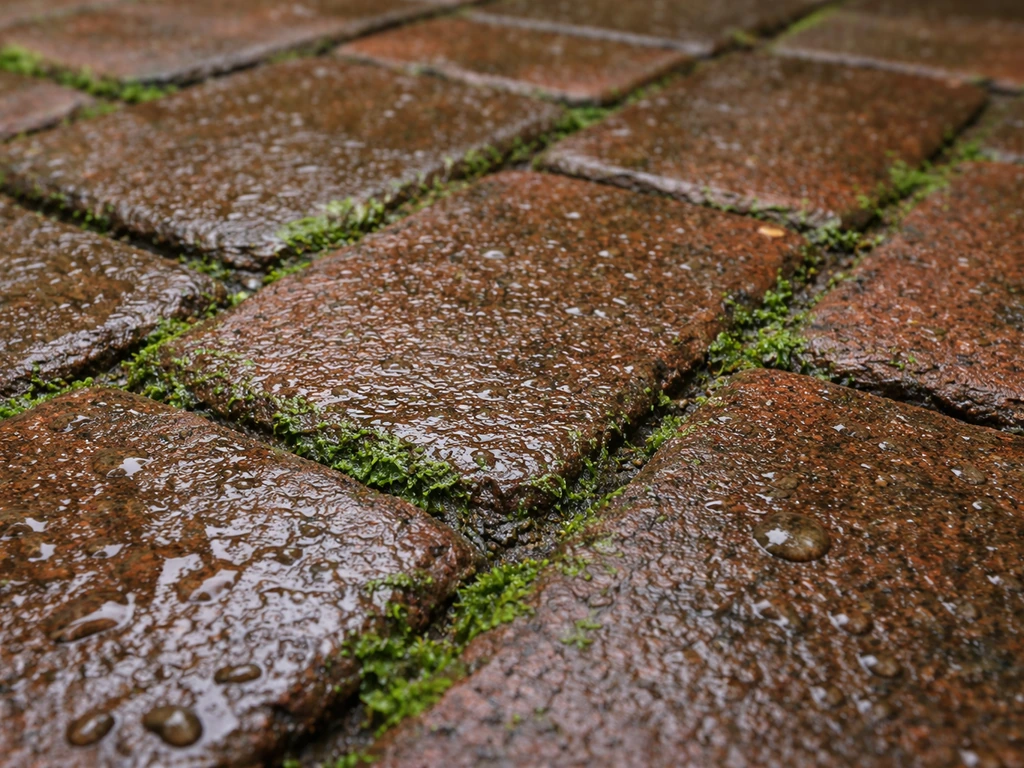
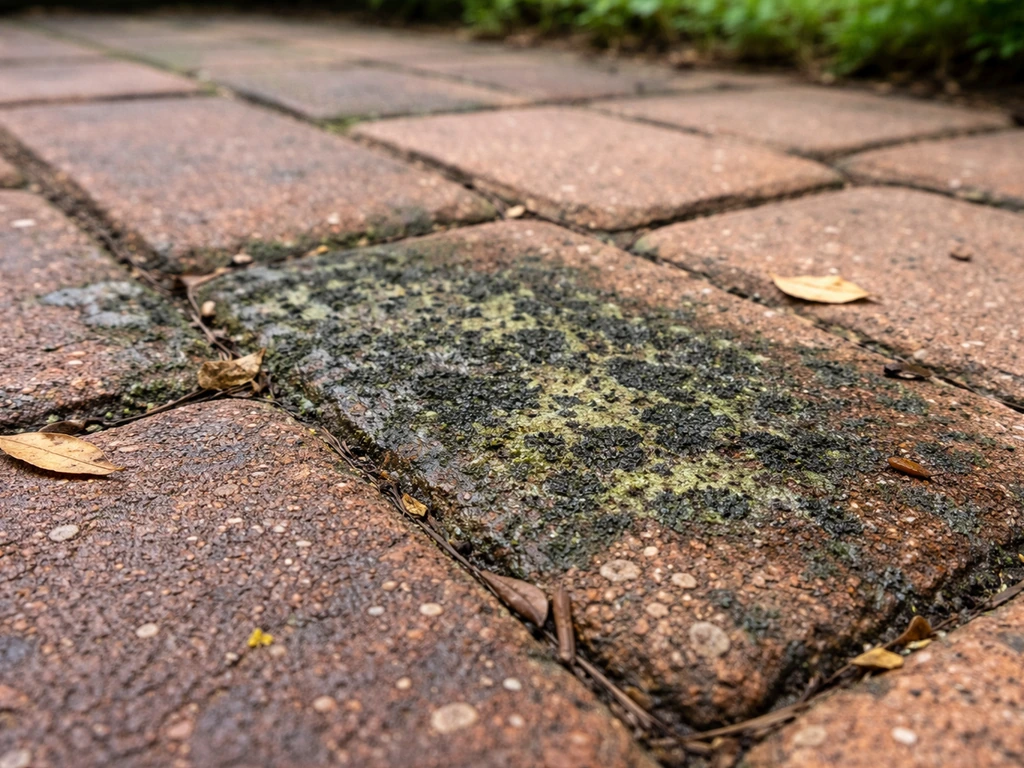
Brick patios are basically ideal mold habitat. Brick is porous, which means it holds onto moisture for a long time after rain or watering. Moss, algae, and mold spores land on the surface, find trapped water and a bit of organic debris (leaves, pollen, dirt), and start growing. Shaded areas are especially prone because sunlight never gets a chance to dry things out. North-facing patios, areas under trees, and spots near downspouts or irrigation heads all tend to get hit hardest.
Poor drainage makes the problem chronic. If water pools on or around your patio after rain instead of running off, you'll be fighting mold every season no matter how well you clean. That same excess moisture can also show up as efflorescence, those white chalky streaks you sometimes see on brick, which is a sign that water is regularly moving through your masonry and evaporating at the surface. Both problems share the same root cause: too much moisture sitting in and around the brick.
The quickest way to knock it out (rinse, scrub, and pressure wash)
If you want results today and have a pressure washer on hand, here's the fastest route. Start by rinsing the entire patio with plain water to loosen surface debris and wet the brick before applying any cleaner. Dry brick absorbs cleaning solution too fast, so pre-wetting helps the product dwell on the surface where it needs to work. Then apply your cleaner of choice (covered in the next section), let it sit, scrub with a stiff brush, and follow up with the pressure washer.
For pressure washing brick specifically, keep the PSI between 1,200 and 2,000. Anything above 3,000 PSI risks blowing out the mortar between joints, which creates a much bigger problem than the mold you started with. Use a 25° or 40° fan nozzle, not a pinpoint zero-degree nozzle, and hold the wand 18–30 inches from the surface. Keep the wand moving in steady, overlapping passes rather than hovering in one spot. Aim the spray roughly perpendicular to the surface and work in sections so you're not letting rinsed water flow back over areas you've already cleaned.
No pressure washer? No problem. A garden hose with a strong spray attachment, a bucket of cleaning solution, and a stiff deck brush or grout brush will handle most mold situations. It takes more elbow grease, but it's actually gentler on the mortar joints, which matters if your patio is older or the pointing is already a bit soft. I've cleaned brick this way plenty of times and gotten great results on light to moderate mold growth.
Which cleaner actually works on brick mold
You have a few solid options here depending on how bad the growth is, whether you have pets or plants nearby, and your personal comfort level with stronger chemicals.
Bleach and sodium hypochlorite
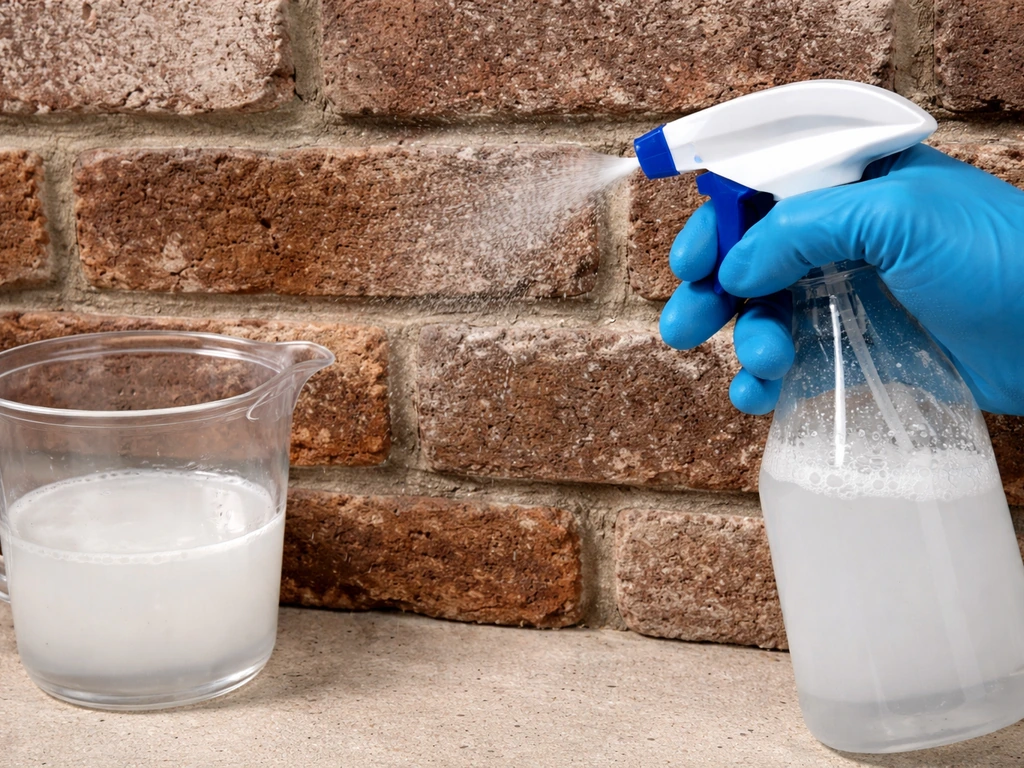
Standard household bleach (sodium hypochlorite) is the most effective option for heavy mold on brick. CDC's recommended dilution for mold cleanup is [1 cup of bleach per 1 gallon of water](https://www. cdc. gov/natural-disasters/psa-toolkit/preventing-mold.
html). The CDC's recommended dilution for mold cleanup is 1 cup of bleach per 1 gallon of water. That's roughly a 1:16 ratio and strong enough to kill surface mold without being unnecessarily harsh. Apply it, let it dwell for 10–15 minutes, then scrub and rinse.
One thing worth noting: the EPA points out that bleach shouldn't be your go-to for every mold job, and it doesn't penetrate deep into porous surfaces as well as people assume. It's great for killing what's on the surface, but the real fix is always addressing the moisture underneath.
Vinegar
White distilled vinegar (around 5–8% acetic acid) is a genuinely useful option for lighter mold growth, especially if you have pets or plants close to the patio. It's non-toxic once diluted and won't harm nearby soil or groundwater. Apply it undiluted to the affected areas, let it sit for 20–30 minutes, then scrub and rinse. The honest caveat: vinegar doesn't kill all mold species equally well, and it won't touch heavy or deeply embedded growth the way bleach does. It also doesn't remove mold spores from the surface. Think of it as the right choice for mild growth and regular maintenance rather than for a patio that's been neglected all winter.
Safer bleach-free alternatives
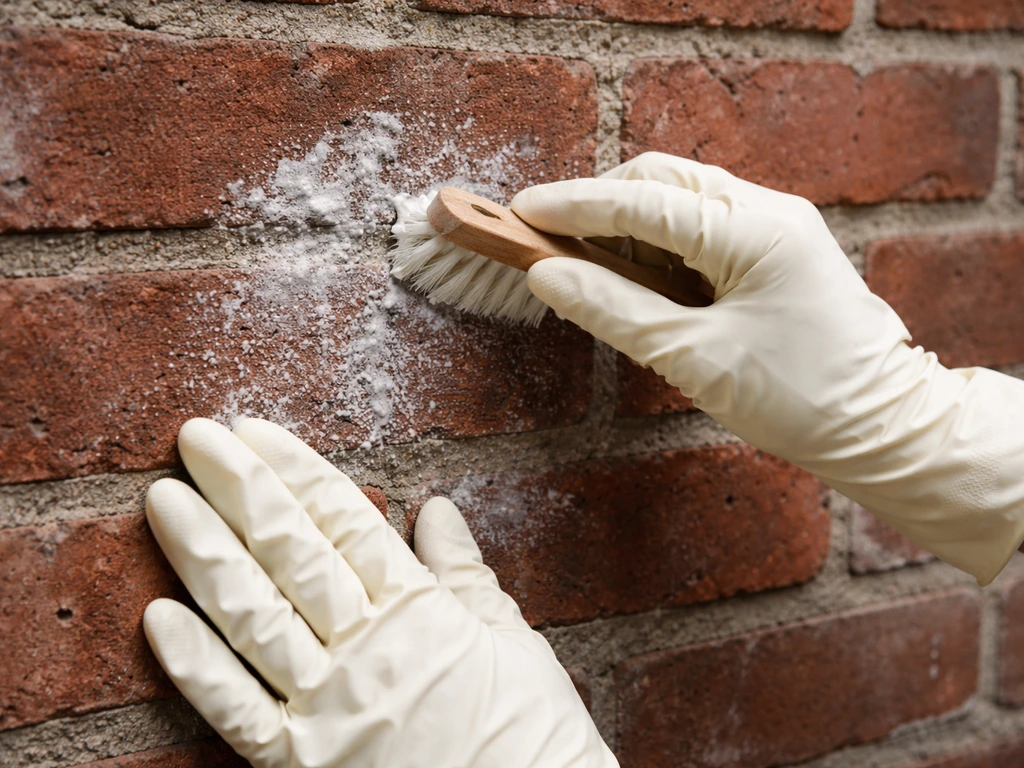
Sodium percarbonate (oxygenated cleaner) is worth knowing about. It's an eco-friendlier option that releases hydrogen peroxide when mixed with water and works well on organic growth like mold, algae, and mildew. Mix it per label directions, apply to wet brick, allow a dwell time of 5–20 minutes, scrub, and rinse. It's gentler on plants and soil than bleach while still being meaningfully more effective than vinegar on moderate growth.
Products like Concrobium Mold Control are another bleach-free option. They don't just clean mold but also leave a residue that physically crushes mold spores and helps prevent regrowth. These are particularly useful if the mold keeps coming back in the same spots, since you get both cleaning and some preventative benefit in one application.
| Cleaner | Best for | Mold-killing strength | Safe near plants/pets? | Notes |
|---|---|---|---|---|
| Bleach (diluted 1:16) | Heavy or stubborn mold | High | No, rinse thoroughly | Best results, but use carefully near gardens |
| White vinegar (undiluted) | Light growth, maintenance | Moderate | Yes | Slower acting, won't remove all spore types |
| Sodium percarbonate | Moderate growth, eco-conscious | Good | Generally yes | Dwell 5–20 min, rinse well |
| Concrobium Mold Control | Recurring mold, prevention | Good + residual prevention | Yes (when dry) | Bleach-free, leaves protective layer |
Step-by-step mold removal process
- Put on your PPE before you start: N95 respirator (or better), safety goggles, and rubber gloves. Mold spores become airborne when disturbed, so don't skip this step.
- Clear the patio. Move furniture, planters, and any items off the surface. Cover or move plants directly adjacent to the work area if you're using bleach.
- Pre-wet the brick with a garden hose. This prevents the brick from absorbing your cleaning solution too quickly and helps the product work on the surface instead of disappearing into the pores.
- Mix your chosen cleaner. For bleach: 1 cup per 1 gallon of water. For sodium percarbonate: follow label instructions. For vinegar: use undiluted.
- Apply the solution generously to the affected areas. Work in sections of roughly 4–6 square feet so the solution doesn't dry before you scrub.
- Let the solution dwell for 10–15 minutes (bleach/sodium percarbonate) or 20–30 minutes (vinegar). Keep the surface wet by reapplying if needed in hot or sunny weather.
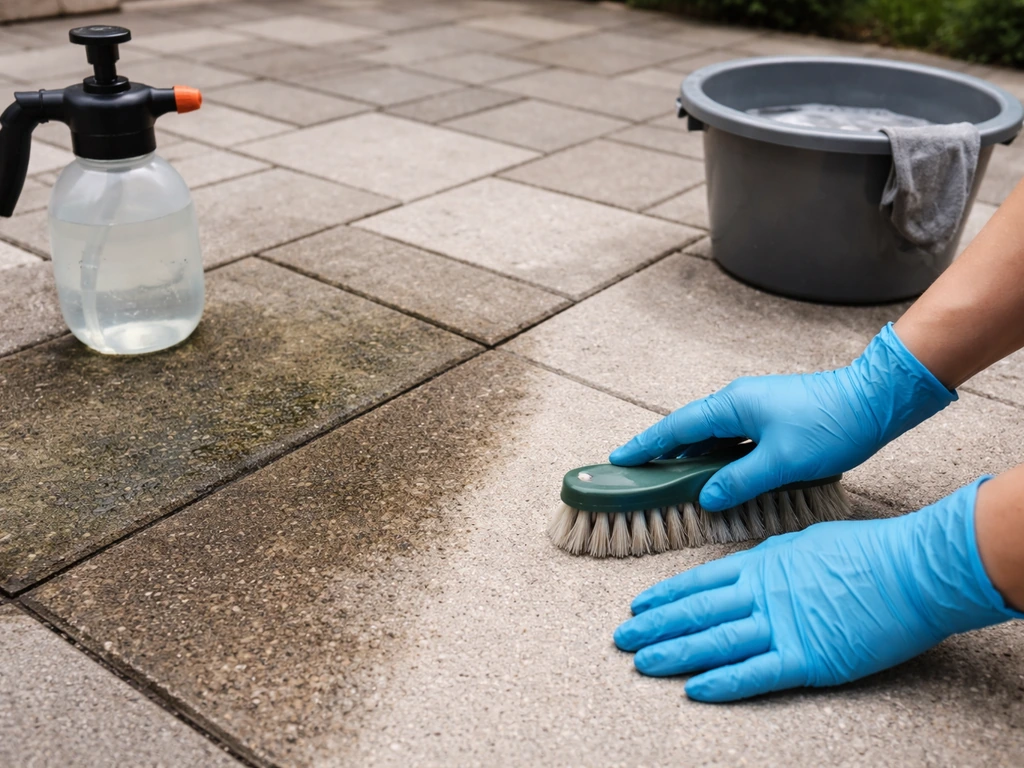
- Scrub vigorously with a stiff-bristled deck brush or a narrower grout brush for the mortar joints. Work in a circular motion to get into the brick's surface texture.
- Rinse thoroughly with a garden hose or pressure washer. If using a pressure washer, stay at 1,200–2,000 PSI with a 25° or 40° fan nozzle held 18–30 inches from the surface.
- Inspect the area once dry. For stubborn patches, repeat the application and scrubbing before calling it done.
- Allow the brick to dry completely (ideally 24–48 hours) before sealing if you plan to seal.
Protecting yourself, your plants, and the brick itself
The CDC recommends at minimum an N95 respirator when cleaning mold, along with goggles and rubber gloves. Mold spores go airborne the moment you start scrubbing, and breathing them in is genuinely harmful, especially if you have allergies, asthma, or a compromised immune system. If you're in that category, it's worth having someone else handle the cleaning or at least wearing a full face respirator rather than just a disposable mask.
For plants and grass around the patio, the main risk is chemical runoff, especially with bleach. Before you start, water nearby plants thoroughly so the soil is already saturated and less likely to absorb any runoff. Cover low-lying plants with plastic sheeting during application and rinsing. When you're done, rinse the surrounding soil with plain water to dilute anything that splashed over. Vinegar and sodium percarbonate are much lower risk in this regard, which is why they're the better call when the patio is surrounded by garden beds.
Keep pets and kids off the patio during cleaning and until the surface is fully rinsed and dry. Even 'safer' cleaners like vinegar can irritate paws and skin on contact.
On the pressure washer side: mortar joints are the vulnerable point. Older brick patios may have soft or already-crumbling mortar, and high-pressure water will make that much worse. If your mortar looks chalky, cracked, or is already falling out in spots, stick to hand scrubbing or keep pressure very low. Always move the wand in steady passes rather than aiming it directly into the joints at close range. And never use a zero-degree pinpoint nozzle on brick, it will etch the surface and damage mortar fast.
How to keep mold from coming back
Cleaning the mold is step one. Once you’ve removed it, focus on how to stop the mold from coming back by addressing moisture and keeping the surface dry. Stopping it from returning is the more important long-term project, and it comes down to managing moisture and light on your patio.
Fix drainage and airflow first
If water pools on your patio after rain, that's the core problem. Check that the patio has a slight slope away from the house (about 1/8 to 1/4 inch per foot is ideal) so water drains off rather than sitting. Clear gutters and downspouts so they aren't dumping water onto or near the patio. If a shaded area keeps collecting moisture, even improving airflow by trimming back overhanging branches can help the surface dry faster between rains.
Routine rinsing and maintenance
A quick rinse with a garden hose every few weeks during the damp season goes a long way. To keep mold from coming back on a stone patio, focus on drainage, regular rinsing, and addressing shaded or damp spots quickly prevent mold from coming back. Mold and algae need time to establish, and rinsing off fresh spores and organic debris before they can take hold is far easier than dealing with a full infestation later. An annual light clean with vinegar or sodium percarbonate in spring is a good habit, even when the patio looks fine.
Should you seal the brick?
Sealing brick is worth considering, but it's not a universal fix. A breathable masonry sealer reduces how much moisture the brick absorbs, which directly limits mold's ability to take hold. The key word is breathable: film-forming sealers that trap moisture inside the brick can actually make problems worse, so look specifically for penetrating or silane/siloxane-based sealers designed for exterior masonry. Seal only after the brick is fully dry and mold-free. Reapplication is typically needed every 3–5 years depending on the product and your climate.
If you're dealing with mold on other patio surfaces too, the approach shifts depending on the material. Concrete, pavers, and stone each have their own quirks around porosity, chemical sensitivity, and pressure washing limits, so the method that works perfectly on brick won't always translate directly. If you need the same help for a concrete patio, follow these steps for how to get green mold off concrete patio Concrete, pavers, and stone.
If you’re dealing with mold specifically on patio pavers, the cleaning approach is similar, but the right scrubbing and rinsing steps can make a bigger difference Concrete, pavers, and stone. If you're trying to tackle a concrete patio instead of brick, use the same core approach but adjust the cleaners and pressure settings for concrete surfaces concrete patio mold.
Quick prevention checklist
- Ensure the patio slopes slightly away from the house for proper drainage
- Keep gutters and downspouts clear and directed away from the patio
- Trim overhanging trees and shrubs to improve sunlight and airflow
- Rinse the patio with a hose every few weeks during wet seasons
- Do a light cleaning with vinegar or sodium percarbonate each spring
- Apply a breathable penetrating masonry sealer every 3–5 years
- Repoint any crumbling mortar joints to prevent water infiltration
FAQ
Should I mix bleach with vinegar or other cleaners to remove mold faster on brick?
No. Do not combine bleach with vinegar, acids, or ammonia. Mixing can create toxic gases and also weakens cleaning results. Use one cleaner type at a time, rinse thoroughly between any different products, and let the brick fully dry before switching methods.
How long should I wait before using the patio after cleaning mold off brick?
Wait until the surface is completely dry, including grout lines and any shaded edges. As a practical check, look for no dampness in the mortar joints and no musty odor. Rushing can trap moisture and encourage regrowth.
Will scrubbing with bleach lighten dark staining on brick or just remove the mold?
Bleach can kill living mold, but it does not always remove staining or algae discoloration that has soaked into porous brick. If discoloration remains after thorough rinsing and drying, you may need an oxygenated cleaner cycle or repeat treatment, rather than stronger bleach.
Is it safe to use a pressure washer on brick if the mortar is old or crumbling?
Only with caution. If mortar looks cracked, chalky, or loose, high-pressure water can worsen it. In that case, use hand scrubbing or lower pressure, keep the nozzle farther from the joints, and avoid spraying directly into gaps.
Why does mold come back in the same spots even after I cleaned the whole patio?
Common causes are trapped moisture under the surface, ongoing water discharge (downspout or irrigation), and shade that delays drying. The recurring pattern often points to a specific moisture source, like a low area, splashback from a gutter, or a planter that stays wet.
Can I use vinegar on brick around plants and pets without harming them?
Vinegar is generally lower risk than bleach, but it can still irritate skin and paws on contact and it can affect very small plants if over-sprayed. Pre-water nearby soil, avoid runoff when possible, and rinse surrounding areas with plain water after the dwell time.
What should I do if mold is growing on the efflorescence (white chalky streaks) on my brick?
Efflorescence signals moisture movement through masonry. Cleaning may improve appearance, but it will keep returning unless the underlying drainage issue is fixed. Focus on correcting runoff and slope first, then clean after the brick dries to reduce repeated salt and mineral buildup.
Does a bleach treatment really penetrate porous brick, or only clean the surface?
Bleach mainly targets surface mold and may not reach deeply embedded growth in porous brick. That is why managing moisture is the real long-term solution. If the same area reappears quickly, treat the moisture driver, not just the visible spots.
How often should I clean my brick patio to prevent mold from returning?
For many homes, a light maintenance clean during the damp season works well, especially in shaded or near-tree areas. If you regularly see buildup after rains, consider seasonal rinsing plus an oxygenated cleaner or vinegar spot treatment, rather than waiting for heavy growth.
What safety steps matter most besides wearing a mask?
Use goggles to protect eyes from splatter, and wear gloves to avoid skin contact. Work in a way that minimizes airborne spores, and keep kids and pets away until rinsing is complete and the patio is dry.
Next Articles
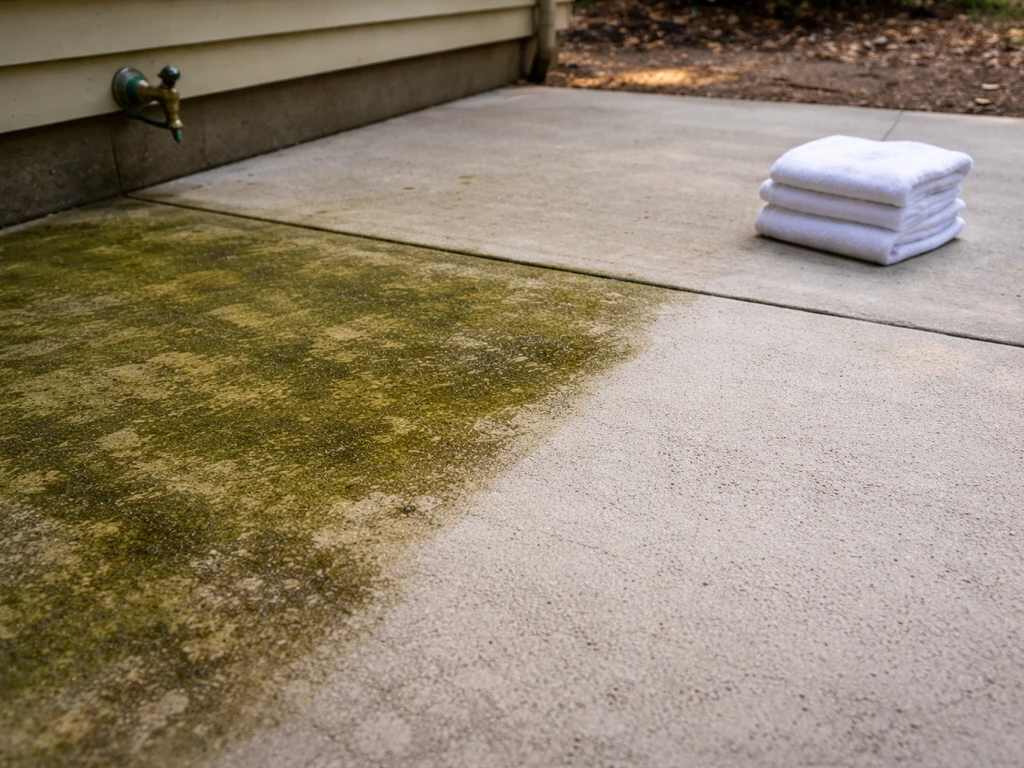
How to Get Green Mold Off a Concrete Patio Safely
Step-by-step removal of green mold or algae from concrete patios, with safe bleach or vinegar options and prevention tip
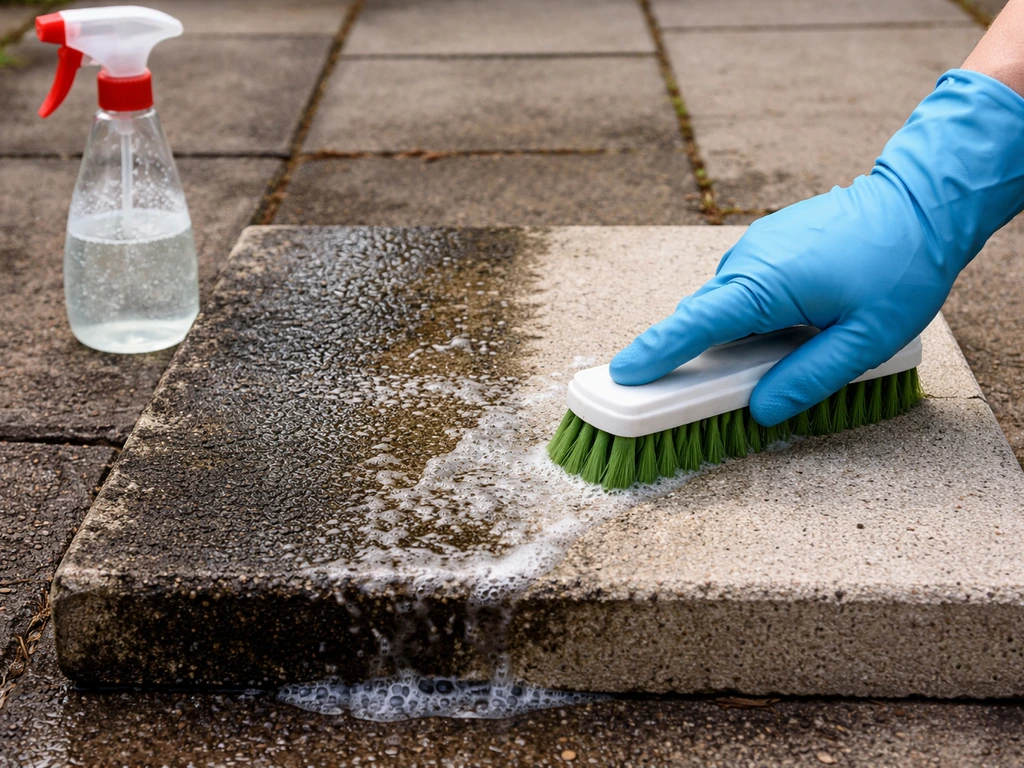
How to Get Mould Off Patio Slabs Safely and Effectively
Step-by-step how to get mould off patio slabs safely with vinegar or bleach, plus pressure-wash tips, prevention, and ma
How to Get Rid of Mold on Patio Step by Step
Step-by-step ways to remove patio mold safely on concrete, brick, stone, pavers, travertine, flagstone and prevent it re