You can remove mold from a patio by scrubbing it with a diluted bleach solution (1 cup bleach per gallon of water), letting it sit for 10 to 15 minutes, then scrubbing hard with a stiff-bristle brush and rinsing thoroughly. For sensitive materials like travertine or natural stone, swap the bleach for white vinegar or a pH-neutral cleaner. Pressure washing speeds things up on concrete and brick, but it can damage softer stone and grout if you're not careful. Once you've cleaned it, keeping mold from coming back is mostly about controlling moisture and doing a quick clean every season.
How to Get Rid of Mold on Patio Step by Step
Dylan Hale
19 May 2026
Where patio mold comes from and why it's often black
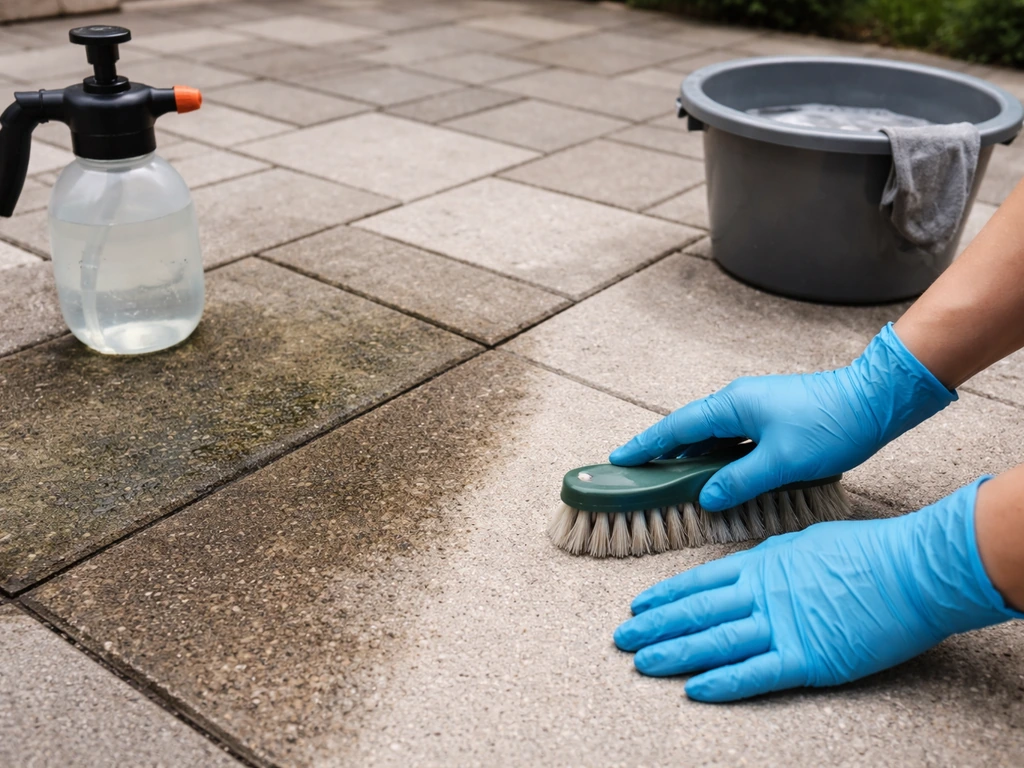
Mold spores are floating around in the air everywhere outdoors. They're always there. The reason your patio suddenly turns into a mold farm is simple: moisture. According to the EPA, mold won't grow unless spores land on a surface that's wet or damp. Your patio checks every other box already: organic debris (leaves, dirt, pollen) gives mold a food source, and porous materials like concrete, brick, and stone hold onto that moisture long enough for spores to take hold.
Shaded patios are the worst offenders because the surface never fully dries between rain events or heavy dew. If you have trees overhead, pooling water from poor drainage, or furniture that traps moisture against the surface, you're basically creating a mold incubator. The EPA notes that if wet or damp surfaces are dried within 24 to 48 hours, mold usually won't get the chance to grow at all. That's easier indoors than on a patio, but it explains why drainage and airflow matter so much for prevention.
As for why it's so often black: the dark color usually comes from algae and certain mold species, but the CDC and NIOSH are clear that the color of mold doesn't reliably tell you how dangerous it is. True black mold (Stachybotrys chartarum) is associated with prolonged water damage and is far more common indoors on soaked drywall than on your outdoor patio. What you're more likely dealing with outside is a mix of mold, mildew, and algae that looks black or dark green. It still needs to come off, but don't panic assuming the worst just because it's dark.
Identify your patio material and pick the safest cleaning approach
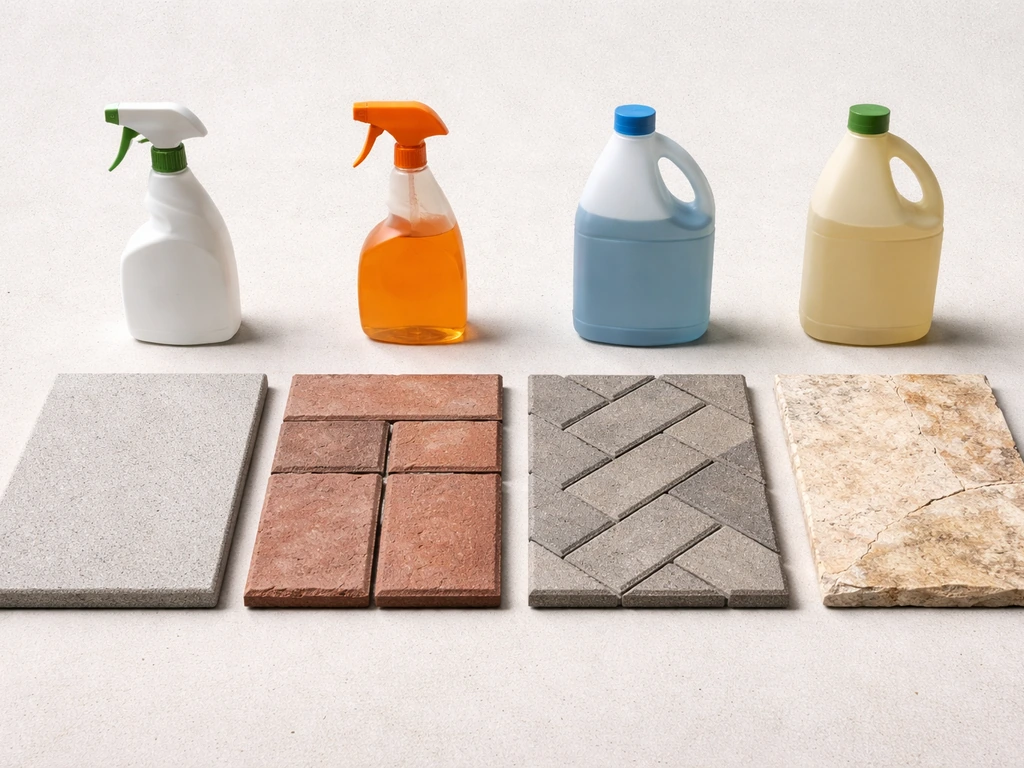
This is the step most people skip, and it's where things go wrong. Using the wrong cleaner on the wrong surface can etch stone, bleach out brick color, or crack grout. Before you grab anything from under the sink, figure out what you're actually standing on.
| Patio Material | Safe Cleaners | Avoid | Notes |
|---|---|---|---|
| Concrete | Bleach/sodium hypochlorite, vinegar, muriatic acid (for tough stains) | Nothing major to avoid, but rinse plants nearby | Most forgiving surface; handles strong cleaners well |
| Brick | Diluted bleach, vinegar, oxygen bleach | Muriatic acid (can damage mortar and color) | Test in a hidden spot first; old mortar is vulnerable |
| Concrete pavers | Diluted bleach, oxygen bleach, vinegar | High-pressure washing on aged or sealed pavers | Similar to concrete but grout lines need attention |
| Natural stone (flagstone, slate) | Vinegar (diluted), pH-neutral stone cleaner | Bleach, muriatic acid | Acid and bleach can etch and discolor stone permanently |
| Travertine | pH-neutral cleaner, diluted dish soap | Bleach, vinegar, any acid | Extremely acid-sensitive; vinegar will pit the surface |
| Patio slabs (limestone/sandstone) | Oxygen bleach, mild detergent | Muriatic acid, undiluted bleach | Softer stones absorb cleaners; rinse quickly and thoroughly |
If you're not sure what your patio is made of, do a quick acid test: put a drop of white vinegar on an inconspicuous corner. If it fizzes, you have a calcium-based stone (limestone, travertine, marble) and you need to avoid all acids, including vinegar. No fizz usually means it's concrete, slate, or a synthetic paver, which gives you more cleaning options.
Step-by-step: how to manually remove mold from your patio
This method works without a pressure washer and covers most patio surfaces. It takes more elbow grease but gives you more control, which matters on delicate materials.
- Gear up first: Put on rubber gloves, eye protection, and old clothes. If the mold patch is large or you're sensitive to allergens, wear an N95 mask. Mold spores become airborne when disturbed.
- Clear the patio: Move furniture, pots, and anything else off the affected area. You want full access to the surface.
- Pre-wet the moldy area: Lightly mist the mold with water before you start scrubbing. This is a tip from North Carolina's DPH guidance: keeping mold damp while you work reduces how many spores get kicked into the air.
- Mix your cleaning solution: For concrete, brick, or pavers, mix 1 cup of household bleach (sodium hypochlorite, 5 to 6%) into 1 gallon of water. For stone, use 1 cup of white vinegar per gallon of water, or a pH-neutral stone cleaner per label directions.
- Apply and let it dwell: Pour or spray the solution over the moldy area. Let it sit for 10 to 15 minutes. Don't let it dry on the surface; if it's a hot day, mist it lightly to keep it wet.
- Scrub hard: Use a stiff-bristle deck brush or a scrub brush. Work in small sections using circular motions. You'll see the mold start to lift. For grout lines and textured surfaces, a smaller hand brush helps get into the detail.
- Rinse completely: Rinse with clean water, flushing the cleaning solution away from garden beds and grass. Keep rinsing until you don't smell bleach (or vinegar) anymore.
- Check and repeat if needed: Step back and look. Stubborn patches may need a second application. Heavy black staining sometimes takes two full rounds.
Chemical options: bleach vs. vinegar vs. muriatic acid
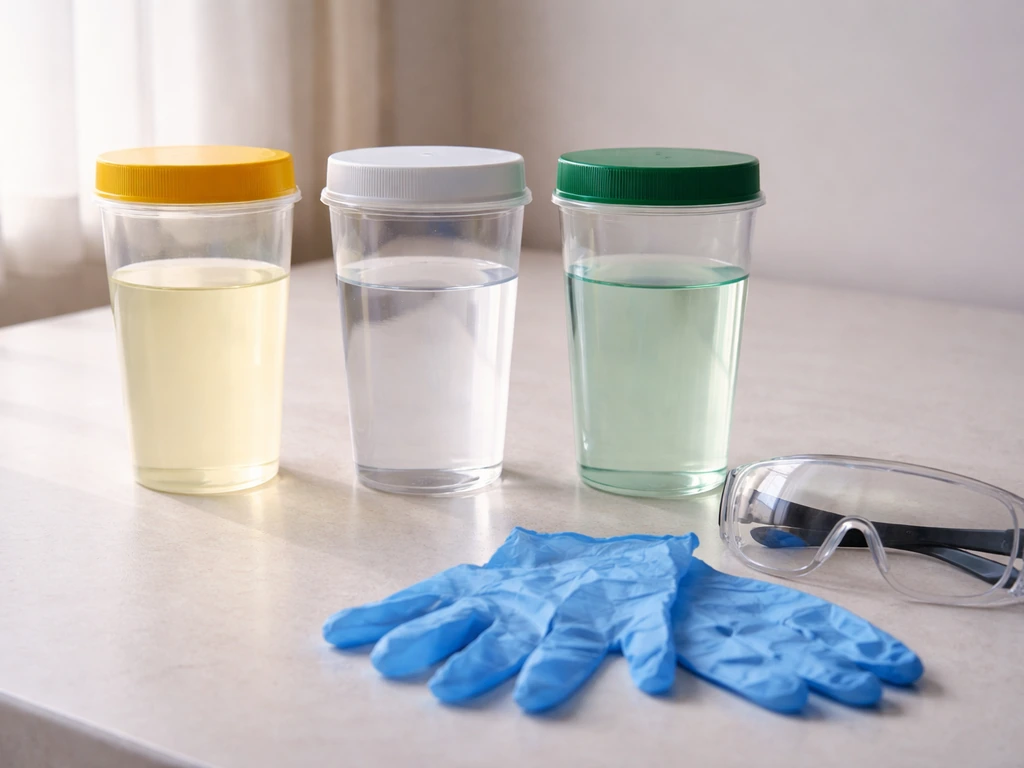
I've used all three, and each has its place. The right choice depends on how bad the mold is, what your patio is made of, and whether you have kids or pets to think about.
Bleach (sodium hypochlorite): the most reliable mold killer
A diluted bleach solution is the go-to for concrete, brick, and pavers. It kills mold and bleaches out the staining left behind. Mix 1 cup of standard household bleach per gallon of water. Never mix bleach with ammonia or vinegar; the combination creates toxic fumes. Bleach is not suitable for natural stone, travertine, or any surface that's acid or chemical sensitive. It can also strip color from some sealed or tinted concrete finishes, so test it in a corner first.
Vinegar: gentler and safer, but slower
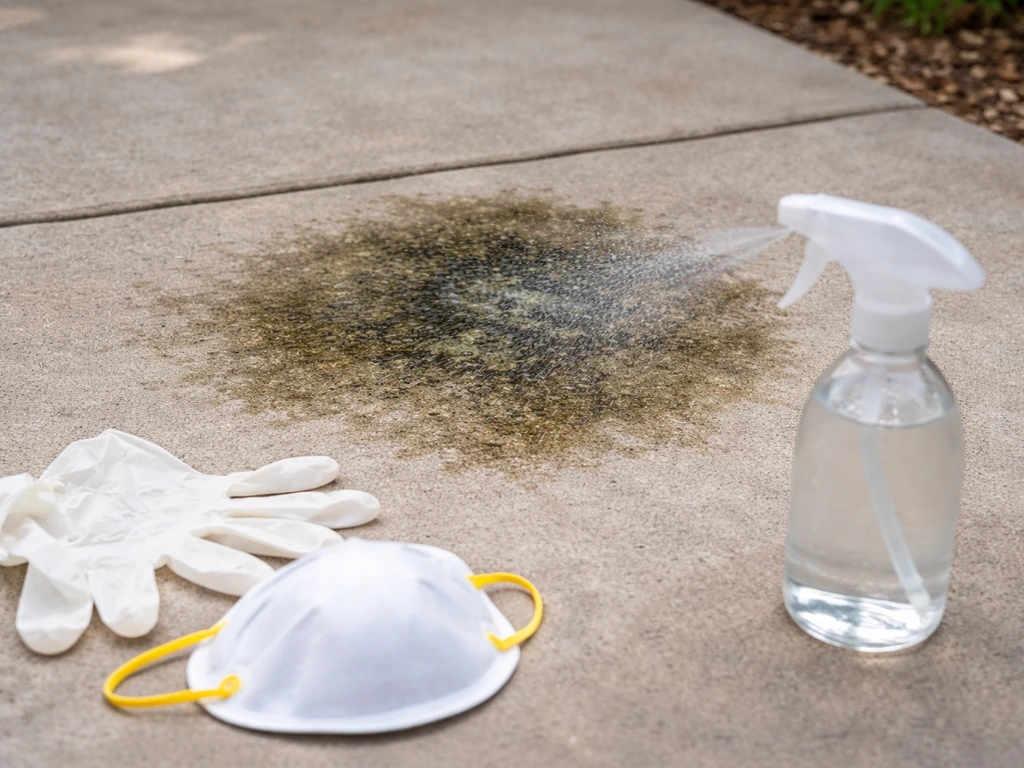
White vinegar (acetic acid at around 5%) kills many mold species and is safe for most surfaces except calcium-based stone. It's my go-to recommendation if you have pets or kids who use the patio regularly, since it's non-toxic once it dries. The tradeoff is that it takes longer and may not fully lift heavy staining on its own. Use it undiluted for tough spots, or diluted 50/50 with water for routine cleaning. It also works well as a follow-up rinse after oxygen bleach on stone to add some extra mold-killing action.
Muriatic acid: for concrete only, use with real caution
Muriatic acid (hydrochloric acid) is a last resort for badly stained concrete that hasn't responded to bleach. It's harsh, it produces fumes, and it can seriously damage anything it shouldn't touch including you, nearby plants, and any non-concrete surface nearby. If you go this route, dilute it at a ratio of 1 part acid to 10 parts water (always add acid to water, never the reverse), apply with a plastic brush, let it sit for no more than 5 minutes, and flush with large amounts of water. Wear full eye protection and chemical-resistant gloves. Do not use this on brick, stone, pavers, or any surface with mortar or grout.
Oxygen bleach: a solid middle ground
Oxygen bleach (like OxiClean or similar products) is gentler than chlorine bleach and safer for a wider range of surfaces including brick and some softer stones. Mix according to the package directions, apply, let it dwell for 15 to 20 minutes, scrub, and rinse. It doesn't work as fast or as aggressively as chlorine bleach, but it's a good choice when you want something stronger than vinegar without the harshness of sodium hypochlorite.
Pressure washing vs. scrub-and-rinse: what actually works
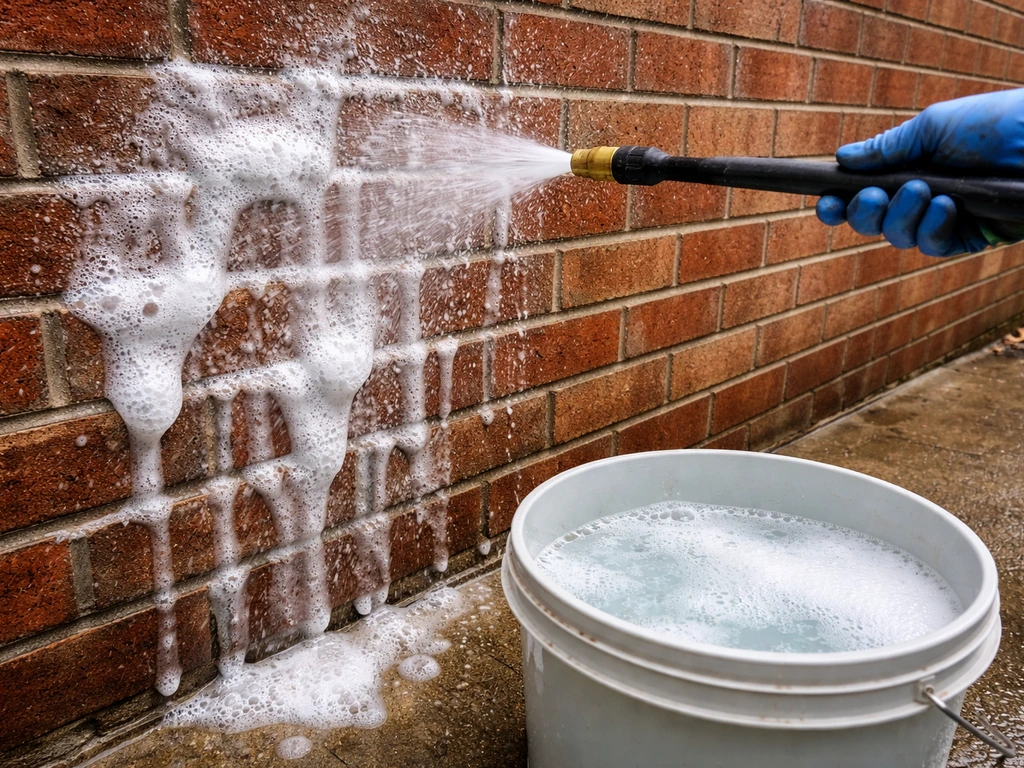
A pressure washer will absolutely remove surface mold faster than hand scrubbing, but it's not always the right tool. Here's how I think about it:
Pressure washing works great on concrete and brick. Use a 25-degree (green) tip and keep the wand moving at a consistent distance of about 12 inches from the surface. Start at a lower pressure setting (1,500 to 2,000 PSI) and increase only if needed. For really stubborn mold, apply your bleach or oxygen bleach solution first, let it dwell for 10 minutes, then pressure wash it off. That combination is more effective than pressure alone.
Scrub-and-rinse is better for natural stone, travertine, and older patio slabs where high pressure can dislodge mortar, damage the surface texture, or force water into cracks. It's also the safer method if your patio is near garden beds you care about, since a pressure washer can spray chemical-laden water a lot further than a rinse hose. For these surfaces, take your time with the brush. It's not as fast, but you won't cause damage that costs more to fix than the mold did.
| Method | Best For | Avoid On | Speed | Risk Level |
|---|---|---|---|---|
| Pressure washer | Concrete, brick, pavers | Travertine, soft stone, old mortar joints | Fast | Medium (surface damage if misused) |
| Scrub and rinse | All materials, especially stone | Nothing (always safe if done correctly) | Slower | Low |
| Pressure washer + pre-treatment | Concrete, brick with heavy mold | Any sensitive stone or sealed surface | Medium | Medium |
One more thing about pressure washing: the mold-heavy water sprays everywhere, including back onto you and nearby surfaces. Wear your protective gear and be aware of where the runoff is going.
Rinsing, drying, and keeping yourself (and your plants and pets) safe
Rinsing is more important than most guides make it sound. Bleach residue left on concrete can continue to react with the surface and leave white streaks. On natural stone, any cleaner residue can keep etching long after you've stopped scrubbing. Rinse with clean water and rinse again. Keep the hose going until the surface runs clear and there's no detectable smell.
For plants and garden beds, water them generously before you start cleaning and then rinse them down again after you're done. The pre-watering dilutes any chemical splash that lands on leaves. For large jobs with significant bleach use, cover nearby plants with plastic sheeting. If your patio drains toward a lawn or garden, be aware that concentrated bleach runoff can kill grass and damage plants, so redirect the flow if you can or dilute heavily as you rinse.
Keep pets and kids off the patio until it's fully rinsed and dry. Bleach and muriatic acid are both serious irritants on paw pads and skin. Vinegar-based cleaners are much safer once rinsed, but I still wouldn't let a dog walk on a wet treated surface. Once the patio is dry to the touch, it's generally fine.
For your own safety: work in a ventilated area (outdoors is usually fine, but be upwind of what you're spraying), don't mix cleaning chemicals, and wash your hands and exposed skin after you're done even if you wore gloves. If you're working with muriatic acid, have a garden hose ready to flush skin or eyes immediately if you splash.
How to stop mold from coming back
Removing mold once is satisfying. Not having to do it again is better. The key is reducing the conditions that let it grow in the first place, and moisture is the main lever you have.
- Improve drainage: If water pools on your patio after rain, it needs somewhere to go. Regrading the surface, adding a channel drain at the edge, or even just sweeping water off with a broom after heavy rain makes a real difference.
- Increase airflow and sunlight: Trim back shrubs and trees that shade the patio. Mold thrives in damp, shaded spots. Even opening up an hour or two of direct sunlight each day helps dry the surface faster.
- Move furniture regularly: Outdoor furniture traps moisture against the patio surface underneath. Moving it occasionally and letting the surface breathe prevents mold hot spots.
- Apply a sealant: For concrete and pavers, a penetrating sealant closes the pores in the surface, making it harder for mold and algae to get a grip. Reapply every 2 to 3 years. Do not use standard sealants on travertine or natural stone without checking they're compatible.
- Clean on a schedule: A quick scrub with diluted vinegar or a deck cleaner every 3 to 6 months stops mold from getting established. It's much easier to deal with a light algae film than a full black crust.
- Rinse off organic debris: Leaves, dirt, and bird droppings are mold food. Sweep or rinse the patio regularly, especially in fall when leaves are dropping.
- Dry the surface within 48 hours when possible: After heavy rain or flooding, the EPA's guidance is clear: surfaces dried within 24 to 48 hours are much less likely to develop mold. Sweeping off pooled water with a broom or squeegee after storms is one of the simplest prevention habits you can build.
If your patio is concrete, you'll find more specific material tips helpful since concrete is porous and holds moisture differently than pavers or stone. If you’re dealing with green mold on a concrete patio, start by choosing the safest cleaner for concrete and then rinse thoroughly to prevent it from coming back. Use the same moisture-control prevention tips to help keep mold from returning after you remove it from your concrete patio remove mold from a concrete patio. Similarly, brick patios and patio slabs each have their own quirks when it comes to recurring mold. If you need the best approach for a brick patio, focus on moisture control first, then use a brick-safe cleaner like oxygen bleach or vinegar. The general prevention rules above apply across all of them, but the specific cleaning solutions and sealant products vary by material, so keep that in mind as you build your maintenance routine.
FAQ
How long should I wait after cleaning before using the patio again?
Run a quick “touch-dry” check before letting pets back out. If the surface is cool and feels damp, keep everyone off until it’s dry to the touch and has stopped looking darker in shaded areas. Moisture trapped under patio furniture cushions is a common reason mold returns quickly after cleaning.
Can I use a pressure washer right after applying cleaner?
Yes, but match the method to the surface. For concrete or brick, you can spot-scrub first and then power wash only after the cleaner has fully worked, and keep the nozzle moving to avoid etching. For travertine or limestone, skip high pressure and stick to gentle scrubbing, since forcing water into pores can speed up future staining.
What if the black spots stay after I clean, is it still mold?
It depends on what “stain” means. If the dark spots lighten after scrubbing and rinsing, it was likely mold or algae. If it stays the same after the patio dries, it may be organic staining or mineral discoloration, and you may need a different product (oxygen bleach for many organic stains) or a mechanical approach like repeated soft scrubbing.
When can I seal my patio after removing mold, and should I do it immediately?
Avoid it. Re-sealing too soon can trap moisture and remaining spores under the sealant, leading to faster recurrence. Let the patio dry thoroughly, then do a “tape test” by pressing clear tape to the surface, peeling it after a minute, and checking for residue. If residue or persistent dampness remains, wait longer and clean again before sealing.
What’s the best order of cleaners to try if I want to avoid damaging the surface?
Start with the least aggressive approach for that material. Use a vinegar or oxygen-bleach method first for most cases, then move up only if staining remains, and reserve muriatic acid only for heavily stained concrete that does not respond. If you see powdery damage, pitting, or joints widening, stop and switch to a safer cleaner.
How do I prevent bleach or oxygen cleaners from damaging or discoloring my patio?
Test before you treat the whole area, especially on tinted or sealed concrete, pavers with color coating, and any surface with grout lines. A small corner test is also important for checking for whitening (bleach residue) or surface dulling (stone etching), then adjust concentration or dwell time.
What are the most common reasons patio mold comes back in the same place?
Freshen airflow rather than relying only on chemicals. Remove organic debris regularly, trim nearby plants that keep the surface shaded, and improve drainage so water doesn’t pool. If mildew keeps returning in one exact spot, that usually points to a drainage or irrigation leak that cleaning alone cannot fix.
What are the biggest mistakes people make when using bleach on patios?
Bleach can work, but it’s easy to overdo. Never mix bleach with vinegar, ammonia, or other cleaners, and don’t exceed the recommended dilution. Also, apply during dry conditions and avoid letting the solution dry on the surface, since uneven drying can leave streaks and require extra rinsing.
How do I handle heavy mold buildup that seems “embedded”?
You typically need to pre-scrub before any strong rinsing. Heavy growth and organic film can block the cleaner from reaching the surface, so remove loose debris, apply cleaner, let it dwell as directed, then scrub and rinse. For very thick growth, two rounds (clean, rinse, dry, then repeat) often outperform one aggressive attempt.
Is a power washer always the fastest or safest option?
Not always, and it may be the wrong tool for the job. If you have landscaping nearby or the patio drains toward a lawn, a power washer can spread concentrated runoff. Hand scrubbing plus thorough rinsing is often safer for gardens and for natural stone because it limits how far runoff travels.
Next Articles
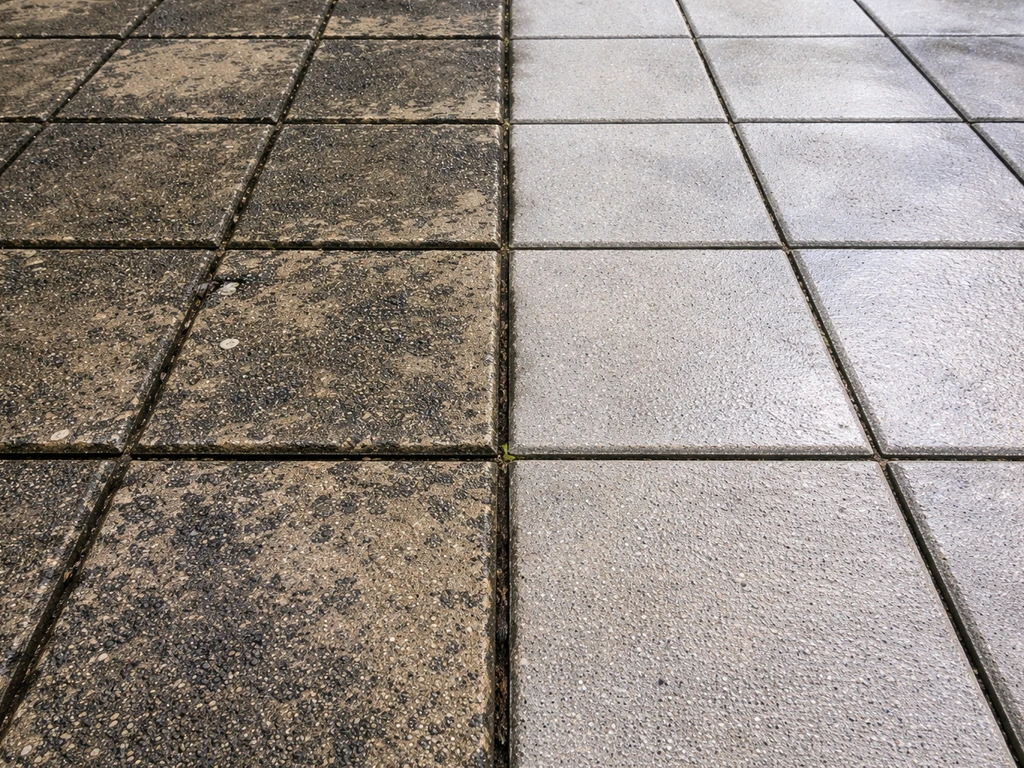
How to Remove Mold From Patio Pavers Step by Step Guide
Step-by-step way to remove mold and black mildew from patio pavers using safe scrub or pressure washing, plus prevention
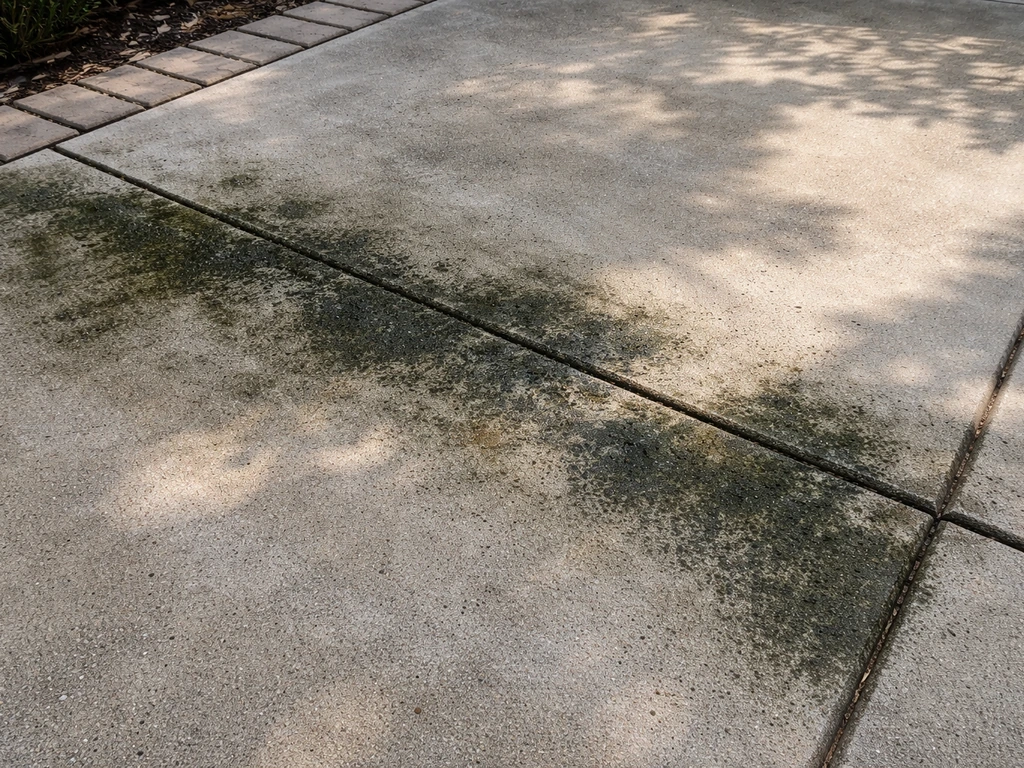
How to Remove Mold from a Concrete Patio Safely
Step-by-step ways to remove mold from a concrete patio, using safe scrubbing, pressure washing, proper cleaners, rinse,
How to Remove Thompson’s Patio Sealer Step by Step
Step-by-step removal of Thompson’s patio sealer on concrete, brick, pavers, and stone, with safety, tests, and cleanup.