
Carpet glue on a concrete patio comes off, but how you remove it depends almost entirely on what type of adhesive you're dealing with. Get that part right first, and the rest of the job is straightforward. Get it wrong and you risk gouging the surface, spreading a sticky mess further, or in older homes, disturbing a material that may contain asbestos. This guide walks you through identification, prep, mechanical and chemical removal, gentler alternatives, and a proper rinse-and-restore finish so you end up with clean concrete that's ready for whatever comes next.
How to Remove Glue from Concrete Patio Step by Step
Dylan Hale
2 Jul 2026
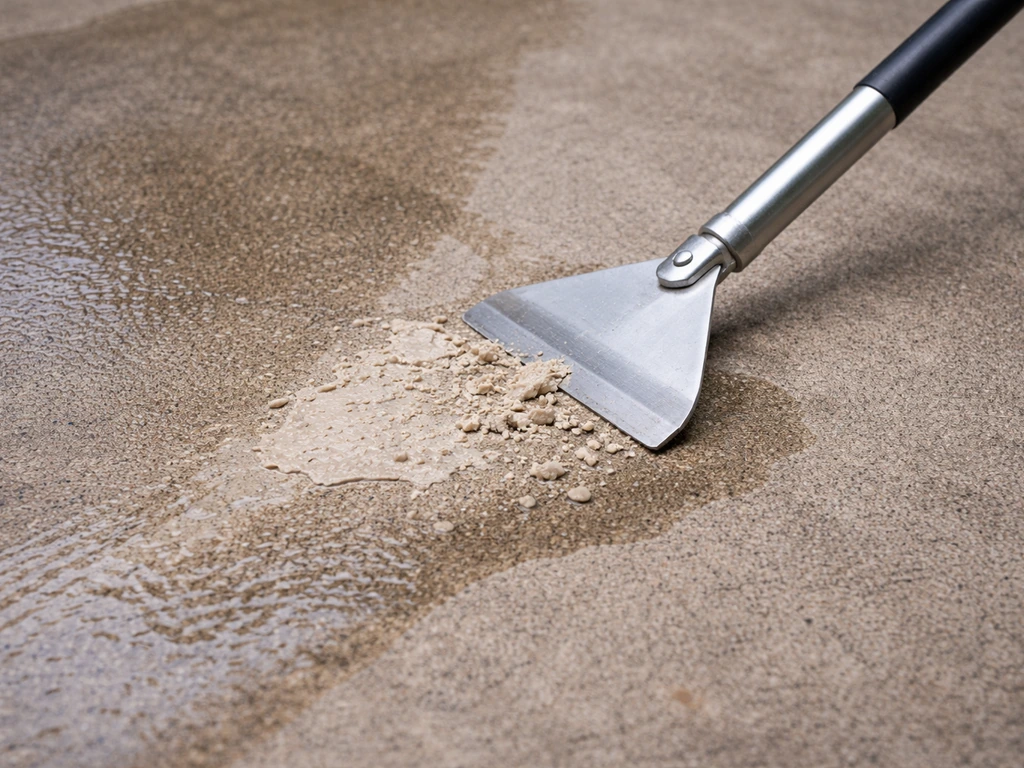
Step 1: Identify the glue type and always test a small spot first
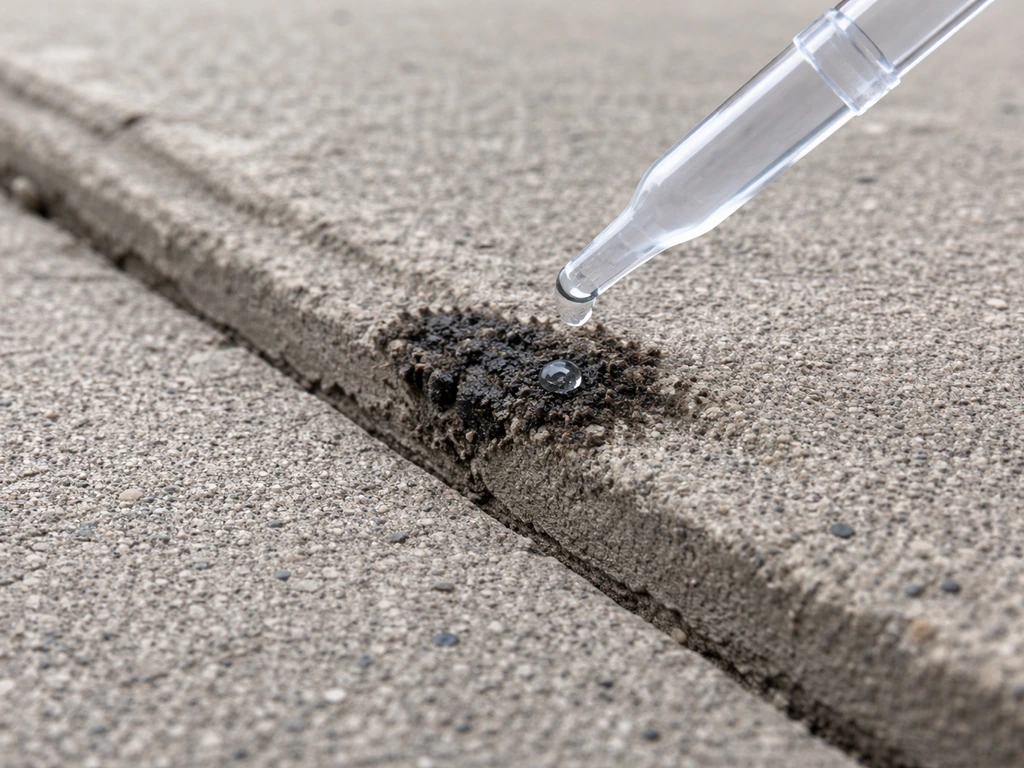
Before you grab a scraper or pour anything on your patio, figure out what you're actually dealing with. The four main types of carpet adhesive residue you'll find on concrete are acrylic-based (usually yellowish or tan), rubber-based black mastic (dark brown to jet black, slightly tacky when warm and brittle when cold), pressure-sensitive adhesive or PSA (a thinner, more rubbery film), and asphalt-based cutback adhesive (also typically black and tar-like). Each one responds differently to heat, solvents, and mechanical scraping.
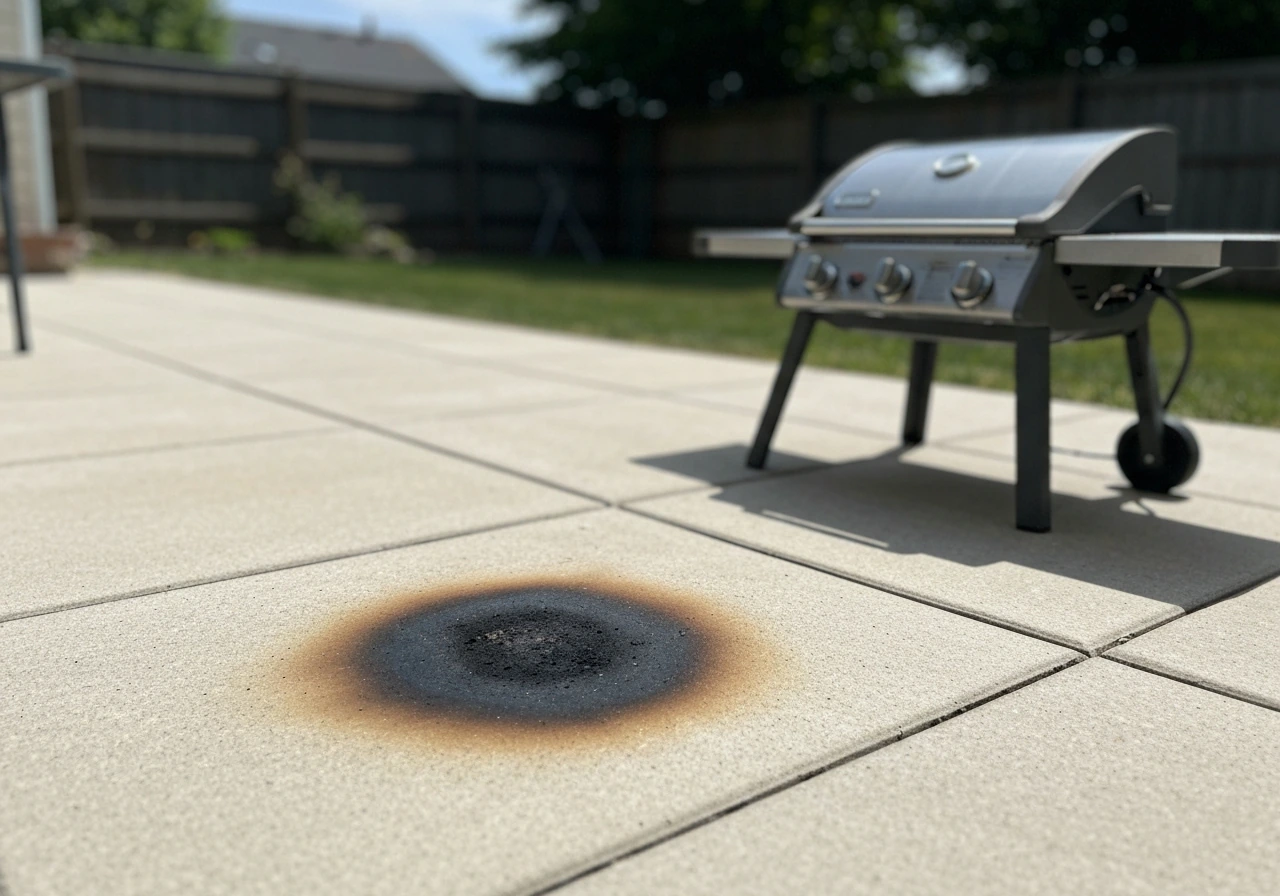
Here's a quick check before you do anything else: drop a few drops of water on the adhesive residue. If the water beads up and sits on the surface rather than soaking in, you've confirmed there's an adhesive film present rather than just a discoloration. That matters because some staining on concrete patios (like leaf tannins or burn marks) looks like adhesive at a glance but needs a completely different approach. If your patio discoloration is actually burn marks rather than adhesive, you can use a different approach to remove them safely.
The big warning with blank" rel="noopener noreferrer">black, tar-like adhesive: if your home was built before 1980 and the patio had carpet or vinyl flooring over it at some point, that black mastic may contain asbestos. blank" rel="noopener noreferrer">Sanding, grinding, or aggressive scraping can release asbestos fibers into the air. If you genuinely can't rule out asbestos, do not start any mechanical removal. Contact an accredited asbestos professional for testing first. The EPA is clear that disturbing asbestos-containing materials requires trained, accredited workers, not a DIY scraper and some elbow grease.
Once you've identified the glue type and confirmed it's safe to proceed, always do a small test patch before treating the entire patio. Apply your chosen method (solvent, heat, or mechanical) to an inconspicuous corner and check at 15 minutes, 1 hour, and a few hours later. You're looking for any etching, discoloration, or surface damage to the concrete itself. If you’re also dealing with burn marks on a concrete patio, focus on gentler cleaning and controlled abrasion first to avoid further damage burn marks off concrete patio. This small step saves you from a big, irreversible mistake.
Step 2: Prep the patio and protect what's around it
Good prep is what separates a clean, damage-free result from a mess you have to deal with twice. Start by sweeping or blowing off any loose debris, dirt, and grit from the patio surface. Then look at what's bordering the work area: garden beds, grass edges, planters, and any painted or coated surfaces nearby all need protection if you're using chemical strippers or solvents. Leaf stains can set into concrete pores over time, so you may need a different cleaner and a light scrubbing step once the patio is otherwise stripped and rinsed how to remove leaf stains from concrete patio.
- Cover nearby plants and grass with plastic sheeting weighted down at the edges; even citrus-based solvents can harm vegetation if they pool around roots.
- Tape plastic sheeting or old towels against any painted walls, fences, or trim that borders the patio.
- Dampen surrounding soil lightly before applying chemicals, which helps dilute any runoff that escapes the work area.
- Make sure you have adequate ventilation; even outdoors, working in a still, enclosed patio space on a warm day can concentrate solvent fumes.
- Put on nitrile or chemical-resistant gloves, safety glasses or goggles, and old clothes. If you're using stronger chemical strippers, add a respirator rated for organic vapors.
- If you're doing any grinding or sanding, add an N95 or better dust mask and ideally a HEPA-filtered vacuum with a shroud attachment because concrete dust contains respirable crystalline silica.
Step 3: Mechanical removal methods that won't wreck your concrete
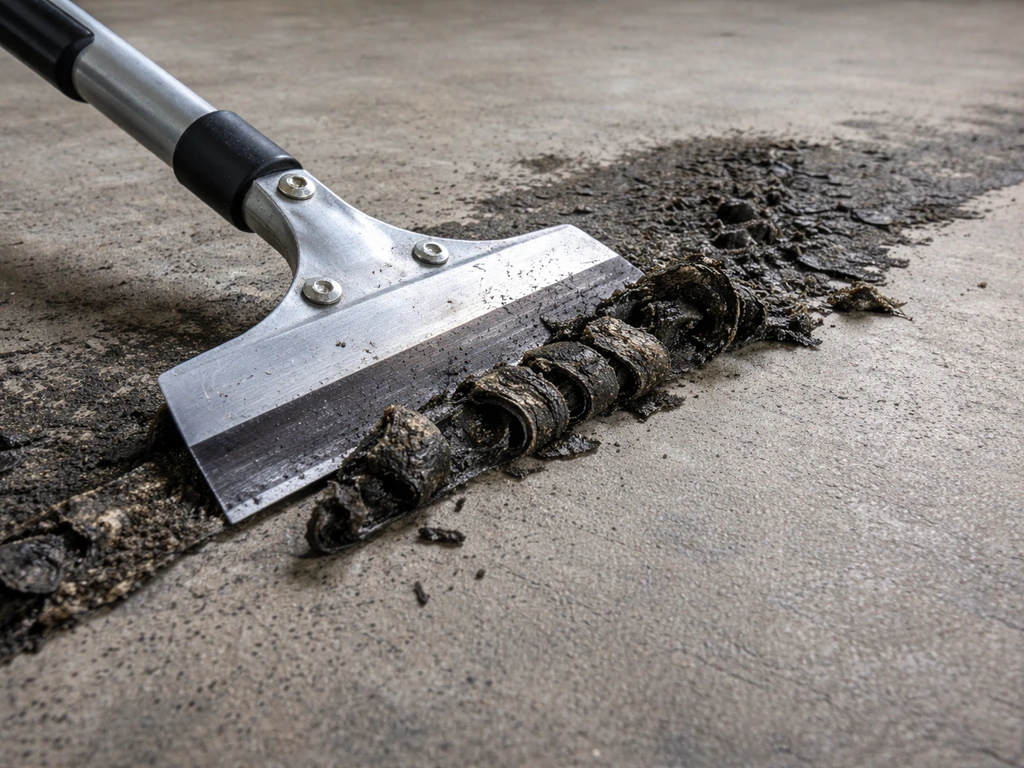
For thicker, more localized deposits of carpet glue, mechanical removal is often the fastest first pass. The goal is to get the bulk of the adhesive off the surface without gouging or scoring the concrete underneath.
Scraping by hand
A floor scraper with a wide, sharp blade is your primary tool here. Hold the blade at roughly a 30-degree angle to the concrete surface and use steady, firm pressure rather than jabbing or prying. That low angle lets the blade slide under the adhesive film instead of digging into the concrete. Start at the edge of a patch and work inward. If the glue is resisting, don't force it; move to heat or chemical softening first and come back to scraping after the adhesive is pliable. For tighter corners or smaller patches, a stiff plastic putty knife reduces the risk of gouging compared to a metal one.
Angle grinder or concrete sander
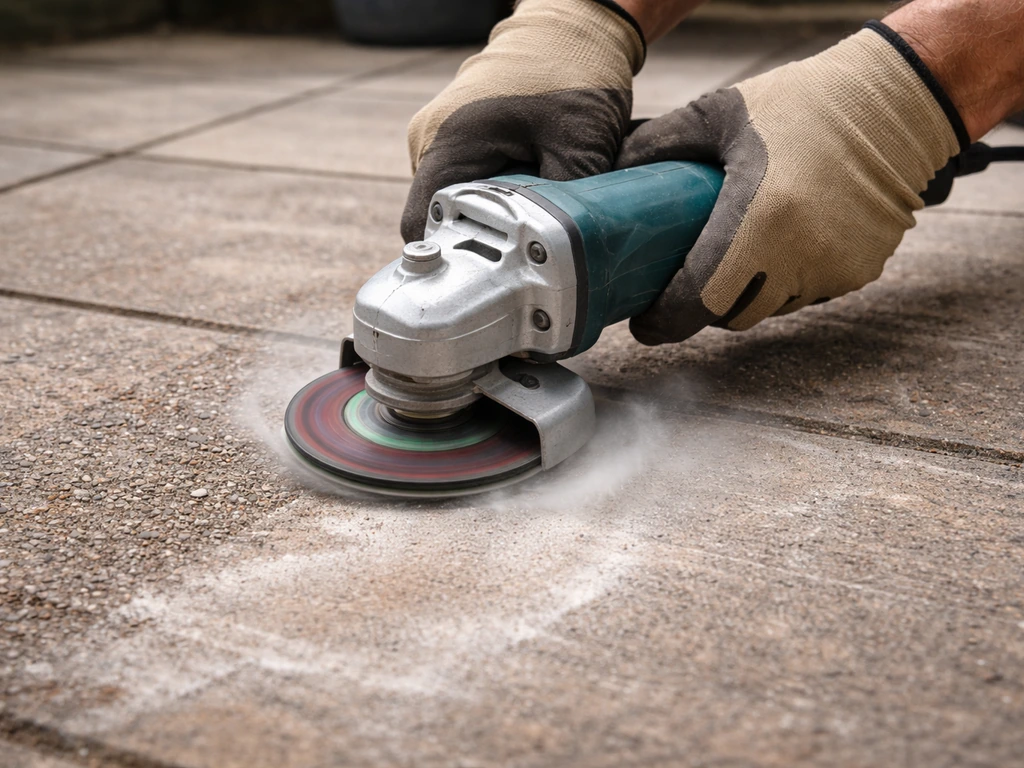
If scraping leaves a thin, stubborn layer of ghosted adhesive bonded tightly to the surface, an angle grinder fitted with a concrete grinding disc can remove it. I'd treat this as a last resort for patio use rather than a first step, though. Grinding creates significant concrete dust, which means you absolutely need a dust shroud attachment and a HEPA-filtered vacuum running simultaneously. OSHA and NIOSH are both explicit that grinding concrete without dust controls generates dangerous levels of respirable silica. Keep the grinder moving constantly; stopping in one spot creates depressions. For large areas with heavy adhesive, professional shot blasting equipment (vacuum-equipped) is a better option than a homeowner-grade angle grinder.
Step 4: Solvent and chemical options that work on carpet glue
When mechanical scraping alone isn't cutting it, or when the adhesive is spread thinly across a large area, solvents and chemical strippers are the practical path. The type of adhesive determines which solvent family will actually work.
| Adhesive Type | Recommended Solvent/Chemical | Notes |
|---|---|---|
| Acrylic or latex-based | Citrus-based solvent (d-limonene) | Low toxicity, good for indoor-adjacent use; may need longer dwell |
| Rubber-based (non-asphalt mastic) | Citrus solvent or mineral spirits | Test first; mineral spirits work faster on heavier rubber deposits |
| Pressure-sensitive adhesive (PSA) | Citrus solvent or dedicated PSA remover (e.g., UnGLUED-type product) | Can be left overnight on concrete; rinse thoroughly before recoating |
| Asphalt cutback (non-ACM confirmed) | Dedicated adhesive stripper or mineral spirits | Never use solvents on suspected ACM without professional testing first |
| Cured or two-part epoxy adhesive | Strong chemical stripper (NMP-based or equivalent) | Requires longer dwell and full PPE including organic vapor respirator |
How to apply solvents correctly
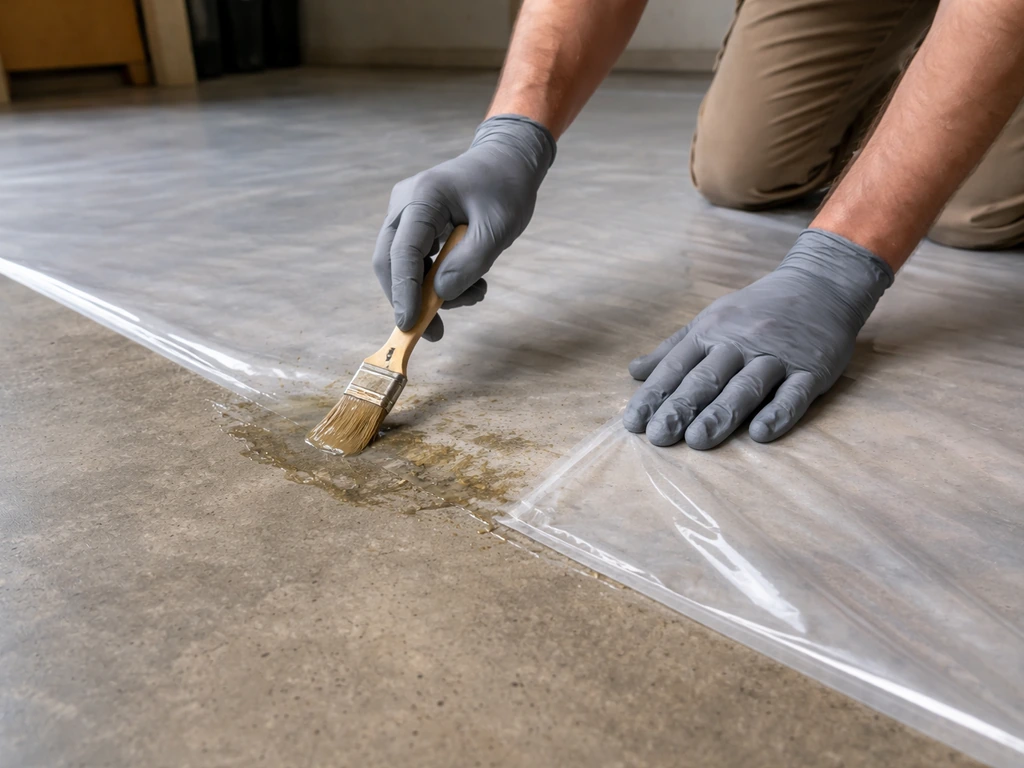
- Pour or brush the solvent generously over the adhesive residue, working in manageable sections of 10 to 20 square feet at a time.
- Cover the treated area with 4-mil plastic sheeting weighed down at the edges. This prevents the solvent from evaporating before it can penetrate the adhesive, which is the most common reason DIY solvent applications fail.
- Let it dwell. Thin adhesive residue may only need 15 to 20 minutes. Heavy deposits of black mastic or cured adhesive can require several hours or even overnight (check the product label). Resist the urge to check constantly; lifting the plastic lets the solvent flash off.
- After dwell time, peel back the plastic and test a corner with your floor scraper. The adhesive should be soft, rubbery, and coming up cleanly. If it's still firm, re-cover and wait longer.
- Scrape the softened adhesive into a pile using the 30-degree angle technique described above. Bag the residue for disposal.
- Wipe down the area with clean rags to pick up the remaining solvent and adhesive film before rinsing.
A word on chemical strippers that contain NMP (N-Methylpyrrolidone): these are effective on stubborn or epoxy-based adhesives, but the EPA notes that NMP products require serious PPE, good ventilation, and strict label compliance. Don't spray them; brush or roll them on, follow the dwell instructions exactly, and make sure anyone nearby is clear of the fumes. Some products that advertised NMP-based formulas have been reformulated under newer regulations, so read the current label rather than relying on older instructions you might find online.
Step 5: Gentler alternatives when you want to avoid harsh chemicals
If you have pets that use the patio, you're sensitive to fumes, or the adhesive patch is relatively small and not deeply cured, there are lower-impact options worth trying before reaching for the heavy-duty strippers.
Steam cleaning
A portable steam cleaner is genuinely effective on many types of carpet glue, especially pressure-sensitive and acrylic-based adhesives. Hold the steam nozzle a few inches from the surface and keep it moving until you see the adhesive start to bubble or soften, then scrape immediately while the residue is pliable. For larger areas, a floor-type steam stripper (the kind used for wallpaper) works well and significantly reduces how much chemical you need. Heat softens the adhesive's polymer structure and makes it easier to peel or scrape without aggressive solvents. It won't touch heavily cured epoxy or thick asphalt mastic, but for moderate deposits it's one of my preferred starting points because cleanup is simpler.
Heat gun
A dual-temperature heat gun can soften stubborn patches in corners or along edges where a steam cleaner is awkward to maneuver. Keep the gun moving constantly over the adhesive rather than holding it in one spot, work at a distance of 3 to 4 inches, and scrape as soon as the surface becomes tacky and pliable. Don't overheat: scorching the concrete surface or surrounding materials creates more problems than it solves.
White vinegar
I'll be honest here: vinegar (acetic acid) has real limits when it comes to carpet adhesive on concrete. It works reasonably well on thin, water-based acrylic residue that hasn't fully cured or has been exposed to outdoor weathering for a long time and has started to break down. Apply undiluted white vinegar, let it soak for 20 to 30 minutes, and scrape. For rubber-based, asphalt, or epoxy adhesives, vinegar simply won't penetrate deeply enough to be useful.
It's a great option for follow-up cleaning after a main solvent treatment, or for very light residue, but don't rely on it as a standalone method for heavy deposits. The same applies to other household acids: different adhesive chemistries respond differently, and there's no single acid-based household product that reliably tackles all carpet glue types.
Step 6: Rinse, neutralize, and restore the surface
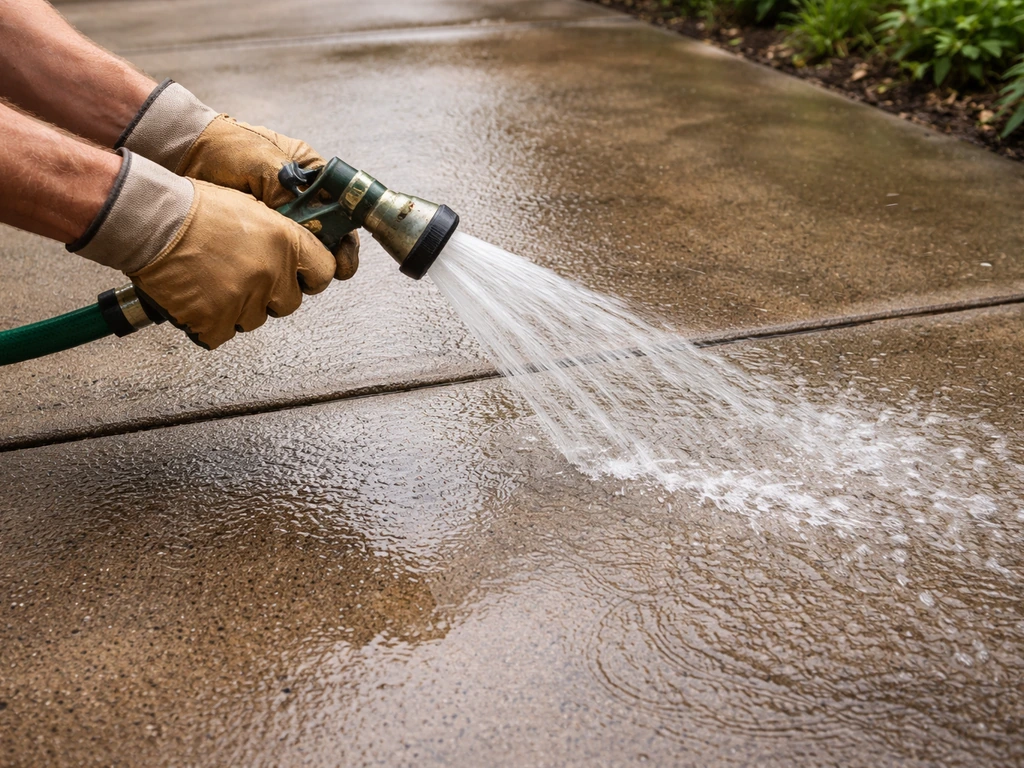
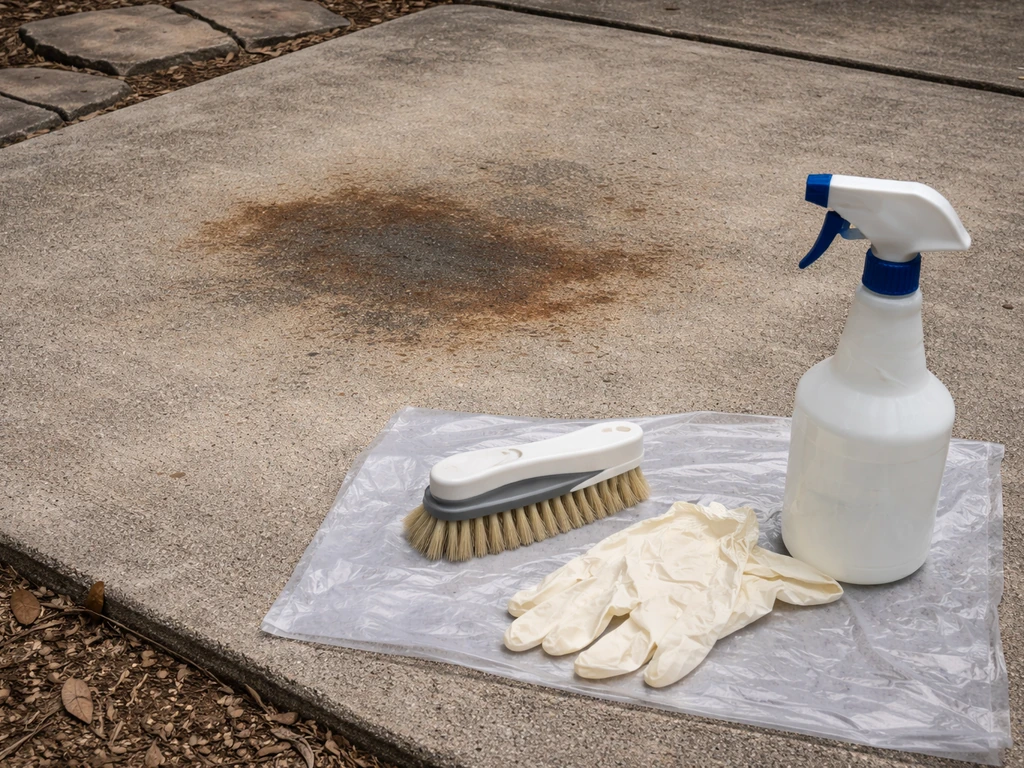
Once the adhesive residue is off the concrete (or reduced to the thinnest possible film), proper rinsing and neutralization is what determines whether your patio looks clean or whether you've just traded one problem for another. After you remove the adhesive and residue, use an appropriate cleaner and rinse thoroughly to finish removing the concrete stain from your patio slabs remove concrete stains from patio slabs. Solvent residue left on concrete can interfere with any future sealer, paint, or coating you apply, and acidic products can etch the surface if they're not neutralized.
- Rinse the entire treated area thoroughly with clean water from a hose or pressure washer (a wide fan tip at moderate pressure works well; you're rinsing, not blasting).
- If you used an acidic stripper or any product that might have etched the surface, mix a neutralizing solution of 1 cup of baking soda per gallon of water and scrub it into the concrete with a stiff brush. Let it sit for 5 minutes, then rinse again with clean water. Repeat the clean-water rinse a second time to make sure no neutralizing residue remains.
- For solvent-based products that aren't acidic, a thorough detergent scrub (dish soap or TSP substitute mixed in warm water) followed by two clean-water rinses is enough to remove chemical residue.
- Let the concrete dry completely before evaluating the result. Wet concrete hides a lot. What looks like a faint remaining film when wet may be gone once dry, or it may be what's called adhesive ghosting: a permanent discoloration caused by adhesive that penetrated slightly into the concrete's pores.
- If ghosting is present after drying, a second application of solvent followed by light mechanical scrubbing often reduces it. Persistent ghosting may require a thin grind from a professional floor prep service.
- Once the surface is fully clean and dry, consider applying a concrete patio sealer to protect against future staining and to restore a uniform appearance to the surface.
When to repeat, switch methods, or call a professional
Most carpet glue removal jobs need at least two passes: an initial mechanical scrape to remove bulk adhesive, followed by a solvent or heat treatment to address the remaining film. After you scrape the bulk away, finish the job by rinsing and neutralizing so the concrete is ready for whatever comes next remove bulk adhesive. If after two full cycles you still have significant residue, it's worth switching method families rather than repeating the same approach.
For example, if citrus solvent hasn't moved a thick black deposit after two tries, step up to a stronger dedicated adhesive stripper or bring in a professional with diamond grinding equipment. Similarly, if the patio is large (more than 100 square feet of adhesive coverage), renting a floor grinder with a vacuum attachment or hiring a concrete prep company is genuinely more cost-effective than spending days on manual methods.
If after all removal attempts you're left with deep staining in the concrete surface rather than surface residue, you're dealing with a different problem entirely. That kind of discoloration from adhesive soaking into porous concrete is more akin to a concrete stain than a surface deposit, and the approach shifts accordingly. For deeper discoloration, it helps to know the right ways to remove stain from concrete patio without damaging the surface.
And finally, if at any point you uncover what looks like black asphalt-based mastic under a layer you've removed, stop work immediately, seal off the area, and get professional asbestos testing before continuing. The health risk isn't worth cutting corners.
FAQ
Can I use a pressure washer to remove carpet glue from a concrete patio?
It may help loosen thin residue, but it usually cannot dissolve or lift bonded films from pores. High-pressure water can also drive softer residues deeper into concrete, and it can damage sealers or coatings nearby. Use pressure washing only after you have removed the bulk with scraping, heat, or solvent, then rinse thoroughly.
How do I know if the residue is just staining and not remaining adhesive?
Do the water-bead check again after your first removal pass. If water soaks in normally and the area is just discolored, you likely have stain rather than film. If water still beads and the surface feels tacky when warm, you still have adhesive that needs another method cycle.
What’s the safest way to protect nearby plants and grass while removing adhesive?
Before applying any solvent or stripper, wet adjacent soil and cover garden beds with plastic sheeting that reaches down at the edges. Keep runoff from chemical areas out of drains and low spots. For steam or heat, protect vegetation from direct heat and overspray, and avoid steaming right up to plant stems.
Will scraping ruin my concrete or leave visible gouges?
It can, especially if you use a vertical pry motion or a dull blade. Holding the scraper at about a 30-degree angle and working from the edge inward reduces gouging risk. Also, if you see concrete dust or “white streaks” appearing, stop and switch to softening first, because those signs suggest you are abrading the concrete.
What should I do if the adhesive spreads or smears when I apply a solvent?
That usually means the adhesive is getting smeared faster than it is being dissolved. Stop, let the area dry, and switch to a heat-first approach (steam or controlled heat gun) or use a solvent family that matches the adhesive type. Always scrape while the residue is pliable rather than letting it smear dry again.
Is citrus solvent safe and effective for removing carpet glue on concrete?
Citrus-based solvents can work on some acrylic or light residues, but they are often slow on thick black mastic or heavily cured layers. If you do not see meaningful softening after two full cycles, switch method families instead of repeating the same citrus treatment multiple times.
How long should I wait after using a solvent or stripper before rinsing?
Follow the product’s stated dwell time exactly, then rinse. Extending dwell beyond the label can increase risk of etching, staining, or residue that later interferes with sealing or coating. After rinsing, inspect in good light to confirm no film remains before deciding on another pass.
Do I need to neutralize after removing carpet glue chemically?
Often yes, especially when using products that are acidic or include reactive components. Even when a neutralization step is not explicitly required by the label, a thorough rinse plus a compatible concrete cleaner reduces lingering chemical residue that can cause adhesion failure later. If the label specifies neutralization, do it rather than improvising with household acids or alkalis.
What PPE should I use if the adhesive remover contains NMP?
Use the PPE and ventilation requirements from the current product label. In general, that means protecting eyes, skin, and respiratory exposure, and ensuring cross-ventilation. Avoid spraying, apply with a brush or roller, and keep bystanders and pets away until fumes dissipate and the surface is properly treated and rinsed.
Can I use vinegar to remove all types of carpet glue on concrete?
No. Vinegar works best on thin, water-based acrylic residue that has not fully cured or has weathered. It is not reliable for rubber-based, asphalt, or epoxy-like adhesives, and it can waste time if the residue is still tacky or black and tar-like.
How do I handle a spot where the adhesive looks black and tar-like?
Treat it as potentially asphalt-based mastic. If the home is older and you cannot rule out asbestos, stop mechanical methods that create dust, and arrange professional asbestos testing before proceeding. If testing is not required or confirms safe material, use low-dust methods first like targeted softening and careful scraping rather than grinding.
When is it better to rent a grinder or hire a professional?
If the adhesive coverage is large (around 100 square feet or more), or if you are left with a bonded “ghost film” after two complete cycles using scraping plus solvent or heat, a vacuum-equipped floor prep solution is usually faster and often safer than hand scraping. For grinding, dust control is essential, including a shroud and a HEPA vacuum running during work.
After the glue is gone, can I seal or paint right away?
Wait until the concrete is fully rinsed, neutralized if needed, and completely dry, and confirm there is no solvent film left. Solvent residue can prevent sealer or paint from adhering properly. If the surface still looks or feels slick, repeat rinse and cleaning before moving on to any coating.
What if the adhesive stain remains after all residue is removed?
That indicates the adhesive has soaked into the concrete rather than leaving only surface film. You will need a stain-specific approach, not another scrape-and-solvent cycle. Focus on stain removal methods suitable for exterior concrete, then reassess before sealing, because some sealers will highlight remaining discoloration.
Next Articles
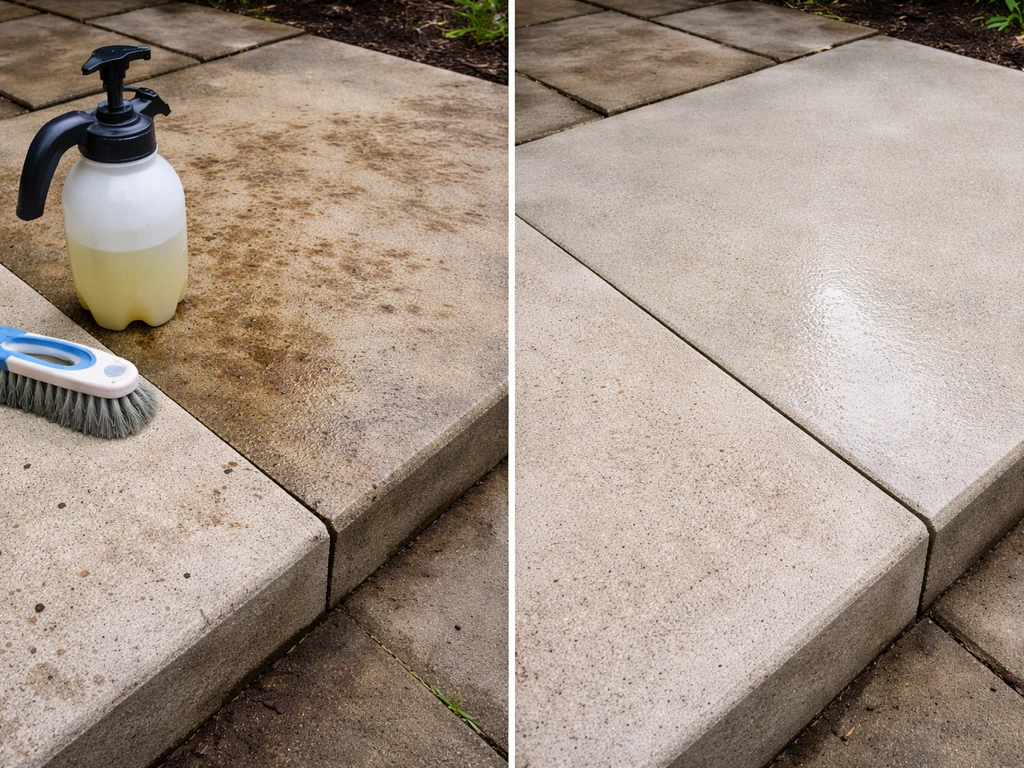
How to Remove Leaf Stains From a Concrete Patio
Step-by-step methods to remove leaf stains from a concrete patio, with chemical options, safe pressure washing, and prev
How to Remove Burn Marks From Patio by Material
Material specific steps to remove patio burn marks safely, from soot and discoloration to concrete, pavers, and traverti
How to Remove Concrete Stains From Patio Slabs
Identify concrete stain type and remove it safely with scrub, soak, oxygen bleach or acid, plus prevention and sealing t