You can remove candle wax from patio pavers safely by chilling fresh wax until it's brittle and scraping it off with a plastic scraper, or by applying gentle heat with a hair dryer to soften older wax so it wipes away cleanly. If you’re working on a stone patio, the same approach works, but you’ll want to avoid acids and use pH-neutral products to prevent etching candle wax from patio pavers. After the bulk of the wax is gone, a pH-neutral cleaner or a little dish soap and warm water handles the residual film. The key is matching your method to how fresh the wax is, what type of pavers you have, and whether the wax has soaked into the grout joints, and that starts with a quick look before you reach for any tools.
How to Remove Candle Wax from Patio Pavers Safely
Dylan Hale
20 Jun 2026
Quick assessment before you start
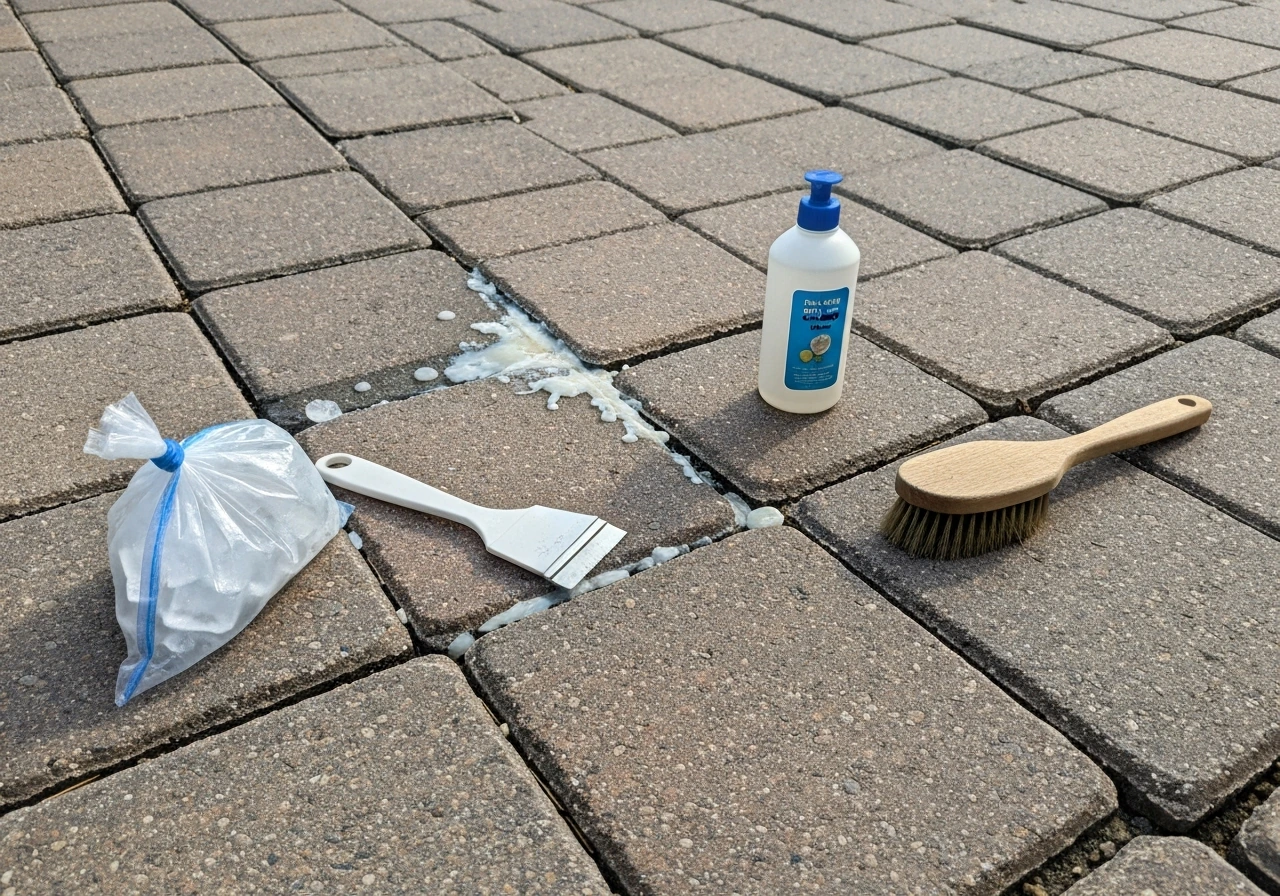
Spend two minutes on this before you do anything else. The wrong approach on the wrong paver can leave you with an etch mark that's harder to fix than the original wax spill.
First, identify your paver material. Concrete pavers and clay brick are relatively forgiving. Natural stone pavers, travertine, limestone, marble, are not. Limestone and marble are calcium carbonate-based, which means even mild acids (think vinegar, lemon juice, anything below pH 7) can etch and dull the surface permanently. If you're not sure what you have, look for a subtle crystalline shimmer or veining, which usually signals natural stone rather than concrete.
Second, check for sealant. Drip a few drops of water on the paver in an inconspicuous corner. If it beads up, the paver is sealed. If it soaks in within 30 seconds, it's unsealed and porous. Sealed pavers resist wax penetration, so cleanup is often easier. Unsealed pavers, especially textured or rough ones, can trap wax in the surface texture, which takes a bit more patience.
Third, look at the wax itself. Is it sitting on the surface as a solid blob, or has it melted flat and soaked into the joint sand or grout lines? Surface wax is a straightforward scrape-and-clean job. Wax in the joints needs a separate approach so you don't widen the gap or flush out the joint sand.
Finally, always do a spot test. Pick a hidden corner, under a planter or along the edge of the patio, and test any cleaner or technique there first. This takes an extra few minutes but saves you from discovering a problem in the middle of your patio.
Gentle removal methods for fresh wax
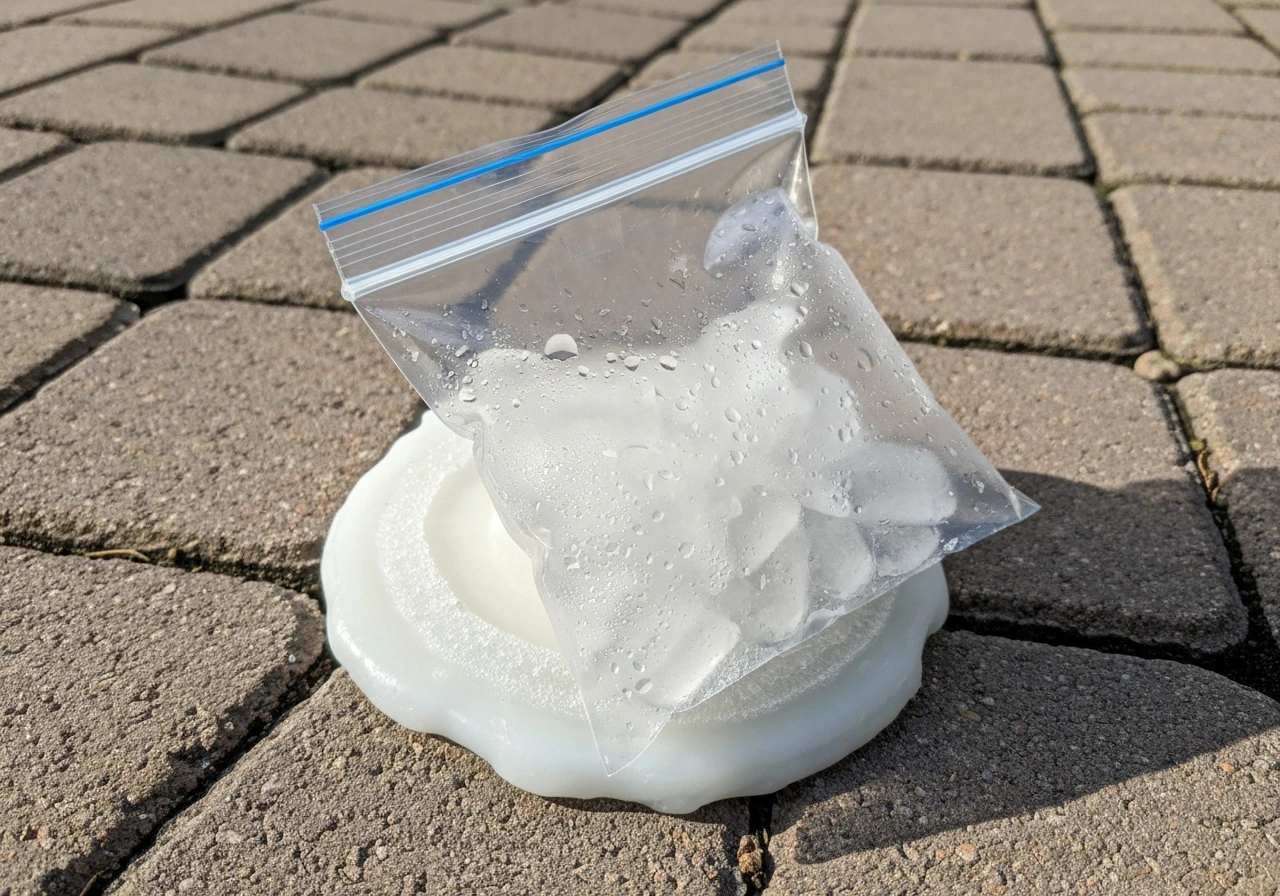
Fresh wax, spilled within the last day or two, still sitting on top of the paver, is the easiest scenario. The goal is to get it brittle without pushing it deeper into the surface texture.
- Chill the wax first. Place a zip-lock bag filled with ice cubes directly on the wax for 5 to 10 minutes. You want it cold enough to feel hard and glassy when you tap it. In cooler weather this step is often already done for you.
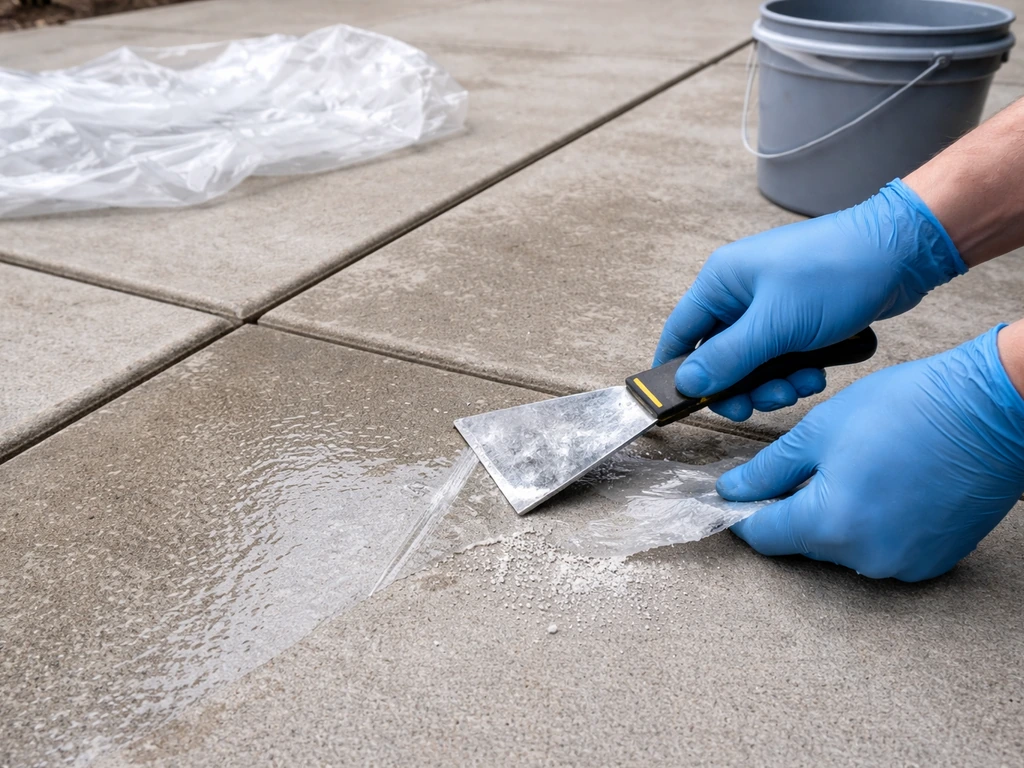
- Scrape with a plastic scraper or old credit card. Work from the outer edge of the wax toward the center using short, firm strokes at a low angle (around 30 degrees). Never use a metal scraper on natural stone — even a butter knife can scratch the surface. For concrete or brick pavers, a metal putty knife used very gently is acceptable if you're careful.
- Lift the wax chips. Use a paper towel to collect the brittle pieces as you go. Don't sweep them — sweeping grinds wax back into the paver texture.
- Blot any soft residue. If there's a thin film remaining after scraping, press a paper towel onto it for a few seconds and peel straight up. Repeat with fresh towels until no more wax transfers.
- Clean the surface. Mix a few drops of dish soap into warm water and scrub with a soft-bristle brush. Rinse thoroughly with clean water.
If the wax left a faint cloudy or white tint on the surface after scraping, that's just a thin wax film, the cleaning step above will handle it. If it persists, you're dealing with residual wax that needs a bit more work, which is covered in the next section.
Deep clean for older or ground-in wax
Wax that's been sitting for weeks, or that got ground in by foot traffic, or that melted flat in summer heat, that's a different situation. Chilling it and scraping rarely gets everything out. You need to soften it first, then work in layers.
Heat, scrape, repeat
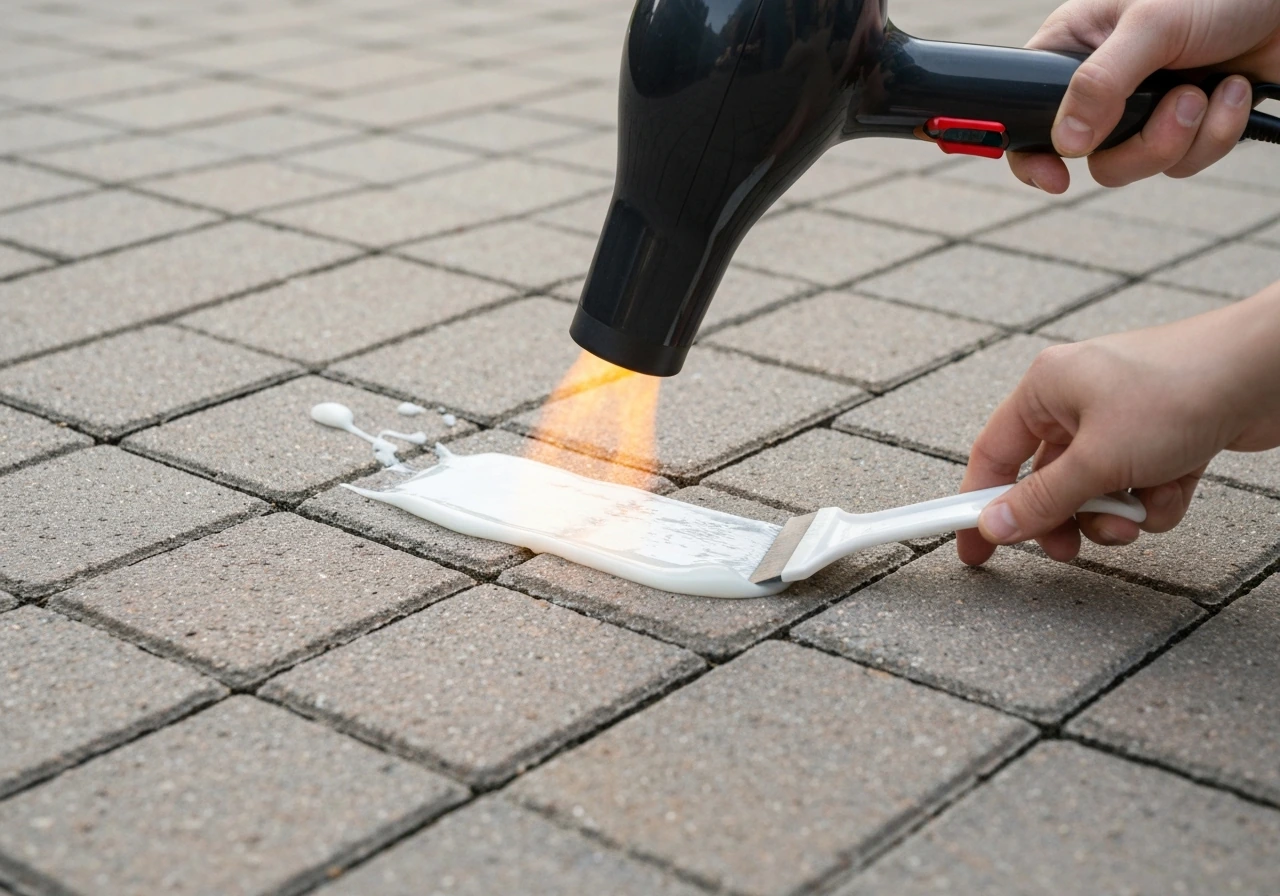
- Use a hair dryer on medium heat, held 4 to 6 inches above the wax. Move it slowly over the stain for 20 to 30 seconds until the surface of the wax turns slightly shiny. You want it soft, not liquid — liquid wax runs into grout lines and makes the problem worse.
- Wipe immediately with a clean cotton cloth or absorbent paper towels. Press down and lift straight up rather than smearing. The wax should transfer onto the cloth.
- Repeat the heat-and-wipe cycle two or three times until you've pulled out as much wax as possible. Each round should get noticeably less wax on the cloth.
- Scrape any remaining thicker deposits gently with a plastic scraper once you've softened the top layer.
- Absorb the last residue. Sprinkle a generous layer of baking soda, cornstarch, or talcum powder over the area. Let it sit for 15 minutes — these dry absorbents pull the remaining oily wax residue out of the surface texture. Brush away and wipe clean.
A word on heat limits: using an open flame, a lighter, a torch, to melt wax off pavers is a bad idea. You can overheat the paver, cause thermal shock cracking in natural stone, and drive liquid wax deep into pores. The hair dryer approach gives you enough heat to soften wax without going overboard.
Cleaning the residual stain
After the bulk of the wax is out, there's often a slight discoloration or grease-like haze left behind. Scrubbing with dish soap and a stiff-bristle brush works well for concrete and brick. Use a soft brush on natural stone. Rinse thoroughly, soap residue left on pavers can attract dirt and leave its own haze. If the haze persists, move on to the targeted chemical options in the next section.
Chemical options that won't damage your pavers
This is where paver material really matters. The wrong cleaner on the wrong stone doesn't just fail to work, it can cause etch marks, which are a form of chemical damage to the stone surface itself, not just surface discoloration. Etch marks look like dull, lighter-colored spots and they can't be cleaned away because they're structural damage.
| Cleaner | Safe for concrete/brick pavers | Safe for natural stone (travertine, limestone, marble) | Notes |
|---|---|---|---|
| pH-neutral dish soap + water | Yes | Yes | Best first option for all paver types |
| Baking soda paste | Yes | Yes (gentle abrasive) | Good for surface residue; rinse well |
| White vinegar (diluted) | Yes | No — etches calcareous stone | Avoid entirely on limestone, marble, travertine |
| Citrus-based degreasers | Yes | Check pH — avoid acidic formulas | Effective on wax film; verify product is pH-neutral |
| Rubbing alcohol (isopropyl) | Yes (test first) | Yes (use sparingly, test first) | Dissolves wax residue; avoid on sealed pavers unless tested |
| Mineral spirits / paint thinner | Use with caution | Avoid | Can lift tough wax but may strip sealant; outdoor use only, rinse thoroughly |
| Muriatic acid | Concrete only, diluted, with full PPE | Never | Reserve for extreme cases; neutralize and rinse aggressively |
I've found that for most wax cleanup jobs on concrete pavers, dish soap gets the job done without any risk. Rubbing alcohol is worth keeping in your toolkit for stubborn waxy hazes, dab it on with a cloth, let it sit for a minute, then wipe and rinse. If you have natural stone pavers and the soap isn't clearing the haze, look for a cleaner specifically labeled for natural stone (these are always pH-neutral and usually enzyme-based). Avoid anything marketed as a 'multi-surface' or 'all-purpose' cleaner unless you can confirm the pH is between 7 and 10. If you’re working on calcareous stones like limestone or marble, avoid lemon, vinegar, and other acidic cleaners because they can dull or etch the surface permanently Avoid anything marketed as a 'multi-surface' or 'all-purpose' cleaner unless you can confirm the pH is between 7 and 10..
On sealed pavers, be extra careful with solvents like mineral spirits or alcohol. They can soften or partially dissolve certain sealant types. Always test on a hidden spot and check whether the paver still beads water after you're done. If it stops beading, the sealant may need reapplication, which is actually fine to do once the wax is fully removed and the surface is clean and dry.
Wax in the grout and joints, a different challenge
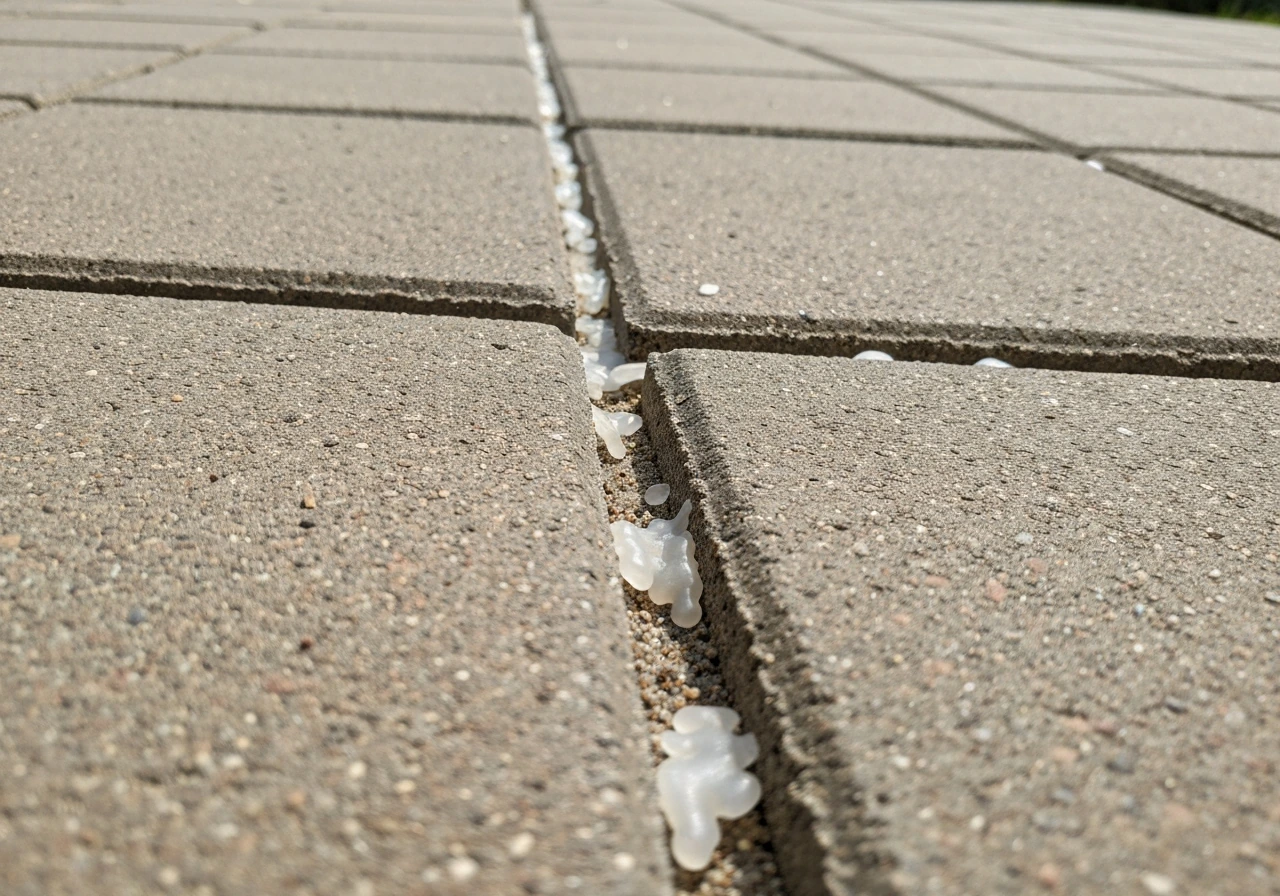
If candle wax dripped into the joint sand or mortar grout between pavers, don't try to pressure wash it out aggressively. For a concrete patio, you can usually remove surface wax safely first, then handle grout and joint areas separately to avoid damage If candle wax dripped into the joint sand or mortar grout between pavers. A strong stream of water aimed directly into joints can erode the joint sand, widen gaps, and destabilize the pavers, especially in sand-set installations. For concrete-grouted joints, aggressive pressure washing can chip the grout edges.
Removing wax from joints step by step
- Chill the joint area with ice to harden the wax. Once brittle, use a thin wooden skewer or an old toothbrush handle to gently break up and lift wax pieces from the joint. Avoid metal tools that can chip grout edges.
- For wax that's soft or partially melted into joint sand: use a heat gun or hair dryer on low, hover it just above the joint, and blot immediately with a folded paper towel pressed into the joint. Repeat until no more wax transfers.
- Follow up with a stiff grout brush and a pH-neutral soapy water solution. Scrub along the joint length rather than across it to avoid dislodging sand.
- Rinse with low-pressure water — a garden hose on a gentle spray setting is ideal. Keep the nozzle moving and don't hold it in one spot directly above the joint.
- Check the joints after drying. If joint sand was disturbed and the joint looks lower or thin, top it up with polymeric joint sand once everything is dry.
If you're dealing with wax on a flagstone or natural stone patio, the same process applies. Just swap any acidic cleaner options for pH-neutral alternatives, since the grout lines on natural stone installations often sit right next to the porous stone edge. Wax residue that stains near a joint line is sometimes better addressed with an enzyme-based cleaner (designed for outdoor stone) applied with a small brush directly to the stained area.
Wax staining around joints can sometimes look similar to the citronella wax issues you see with outdoor candles, the dye in colored or scented candles can leave a tint even after the wax is removed. If that's happening, the cleaner needs to address dye residue, not just wax. A baking soda paste scrubbed in and left for 10 minutes before rinsing often helps lift dye from unsealed paver surfaces.
Aftercare: rinsing, drying, and protecting your pavers
Once you've removed the wax and cleaned the area, the last steps matter more than most people realize. Leaving soap residue, cleaner film, or even plain water on certain paver types can cause water spots or a milky haze, especially on darker concrete pavers and natural stone. After you remove the wax, focus on aftercare like rinsing and drying so you do not end up with water spots or a milky haze.
- Rinse thoroughly. Use a garden hose and flood the area with clean water, working outward from the cleaned spot so you don't push rinse water back onto other areas. Do this twice if you used any cleaner stronger than dish soap.
- Let it dry completely. Don't walk on it or place furniture back until the paver surface is dry to the touch — usually 1 to 2 hours on a warm day. For natural stone, give it longer (3 to 4 hours) before assessing whether any stain or haze remains, because some marks only show up clearly on a dry surface.
- Check for haze in good light. Look at the cleaned area from a low angle in natural daylight. If you see a dull or milky spot, do another round of cleaning with fresh soapy water and rinse again.
- Reapply sealant if needed. If you used a solvent and the water bead test no longer works, resealing is worth doing once the surface is fully dry and the wax is confirmed gone. For previously sealed pavers, test whether the new sealer is compatible with whatever was applied before — many sealers work fine over existing sealant if the base is clean, but it's worth confirming with the product label.
- Consider a fresh seal as preventive protection. A penetrating impregnating sealer makes future wax spills much easier to clean, since the wax sits on top of the sealer rather than being absorbed into porous stone or concrete.
For ongoing candle use on your patio, placing candles in holders with a wide drip tray underneath them is the simplest way to avoid the problem entirely. A silicone mat under candle holders on natural stone or unsealed pavers is even better, wax cleanup is straightforward on any surface, but it's even easier when the spill never reaches the paver.
FAQ
If the wax smear is still there after scraping, what should I do next?
It depends on the wax age and whether it is in joints. If it is fresh and sitting on top, try chilling and scraping first, then wash with pH-neutral dish soap solution. If the spill is older or you see it flattened into texture, skip straight to gentle heat with a hair dryer, then clean in layers, and inspect the joint sand or grout lines separately so you do not push wax deeper.
Can I pressure wash candle wax out of the joint sand between patio pavers?
Avoid pressure washing right away. Start with the same surface removal steps, then target joint areas with minimal water and a controlled scrub. For sand-set patios, blasting water into joints can erode joint sand, widen gaps, and loosen pavers, so use a light hand and keep water directed away from joints unless you are cleaning a small, localized area.
Is rubbing alcohol safe for removing stubborn wax haze?
Yes, but only for specific cases. Use rubbing alcohol sparingly on a hidden spot to lift stubborn waxy haze, dab with a cloth, let it sit about a minute, then wipe and rinse thoroughly. If your pavers are sealed, test carefully first because alcohol can affect some sealants, and you should confirm water still beads after cleanup.
What if I only have vinegar or lemon cleaner at home?
Do not use vinegar, lemon juice, or any acidic cleaner. Natural stone that contains calcium carbonate (like limestone or marble) can etch and turn permanently dull when exposed to low-pH products. Stick to pH-neutral cleaners labeled for natural stone, especially near grout lines and edges where residue can seep.
Why is using a lighter or torch to melt wax off pavers a bad idea?
No, because the risk is not just fading the wax, it is melting and driving it deeper into pores or causing cracking on certain stones. Open flame and torches can overheat the paver, create thermal shock on natural stone, and push liquid wax farther down, making later cleanup harder.
How can I tell whether the wax is still “fresh surface wax” versus a baked-in film?
If you can scratch it with a plastic scraper and it comes off in flakes, treat it as fresh surface wax and use chilling first. If it has turned into a flat greasy film or you cannot remove it with scraping, it is usually older or heat-melted wax, so soften with a hair dryer, then clean, brush gently, and rinse well.
How do I remove a colored stain that remains after the wax is gone?
If candles caused dye staining (common with colored or scented candles), wax removal alone may leave a tint. Make a baking soda paste, scrub it into the affected area, let it sit about 10 minutes, then rinse. If the stain is beside a joint on unsealed pavers, an enzyme-based outdoor stone cleaner applied with a small brush can help when the issue is residue rather than wax.
What should I check after using a solvent like mineral spirits on sealed pavers?
Yes, but only if you confirm compatibility with your sealant. After solvent use, recheck water behavior by doing the water beading test in a hidden area. If water no longer beads, the sealant may have been softened or removed, and you may need to reapply sealer after the surface is fully clean and completely dry.
Why does the spot look milky after cleaning, and how can I fix it?
If the area looks milky or hazy after rinsing, it is often leftover soap or cleaner film, not new wax. Re-rinse thoroughly with clean water, then dry. On stubborn haze, repeat with a pH-neutral product appropriate for your paver type and use the right brush stiffness (soft for natural stone).
What is the best way to prevent candle wax from staining patio pavers in the future?
For ongoing prevention, use a holder with a wide drip tray, and on natural stone or unsealed pavers consider a silicone mat under the candle. This keeps wax and any colored candle ingredients from reaching porous surfaces and reduces the chance of dye staining that cleaning alone cannot fully reverse.
Next Articles
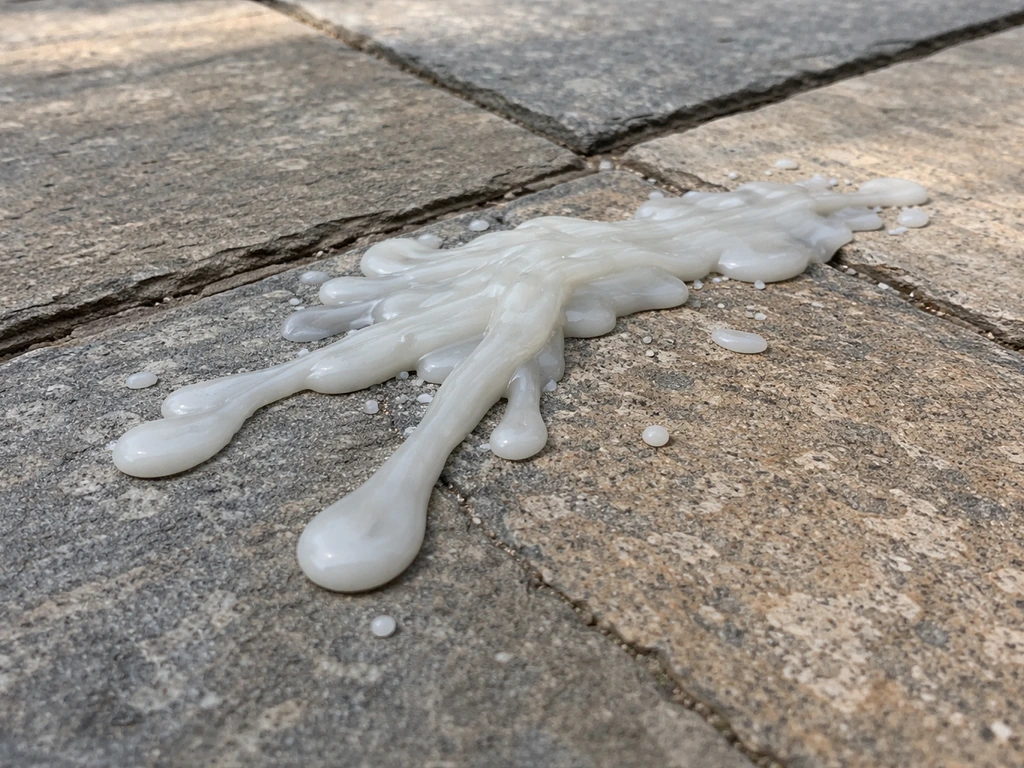
How to Remove Candle Wax From Stone Patio Safely
Step-by-step safe removal of fresh or hardened candle wax from stone patios, with heat and chemical options and stain cl
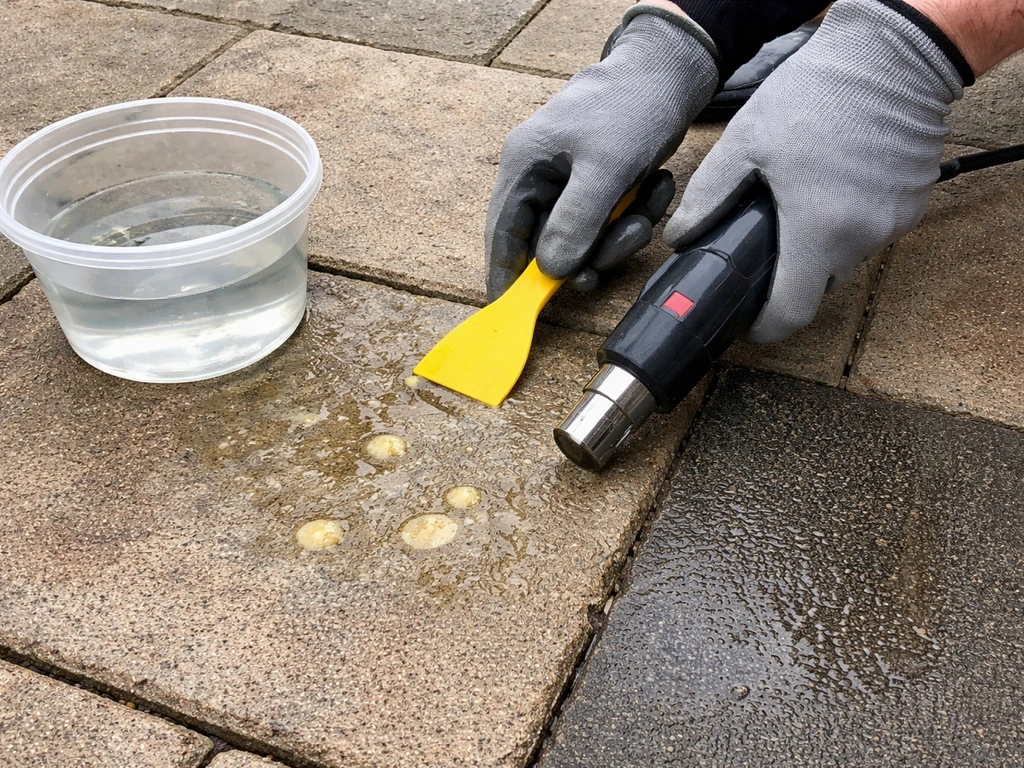
How to Get Citronella Wax Off Patio Stone Safely
Remove citronella wax and oily film from patio stone safely using freezing, scraping, targeted heat, and residue cleanin
How to Remove Thompson’s Patio Sealer Step by Step
Step-by-step removal of Thompson’s patio sealer on concrete, brick, pavers, and stone, with safety, tests, and cleanup.