The safest way to remove wax from a patio is a two-stage process: first harden and scrape off the bulk wax, then dissolve the remaining residue with a solvent or cleaner suited to your surface. For most patios, that means freezing the wax with ice, lifting it off with a plastic scraper, then following up with mineral spirits or a mild detergent rinse. The exact method shifts depending on whether you have concrete, brick, stone, pavers, travertine, or flagstone, because porosity and surface sensitivity change what you can safely use. If you have a stone patio, follow the stone-safe steps for freezing, scraping, and choosing a residue cleaner that won't etch the surface how to remove candle wax from a stone patio.
How to Remove Wax From Patio: Step-by-Step by Surface
Dylan Hale
2 Jul 2026
Start here: identify your wax type and patio material
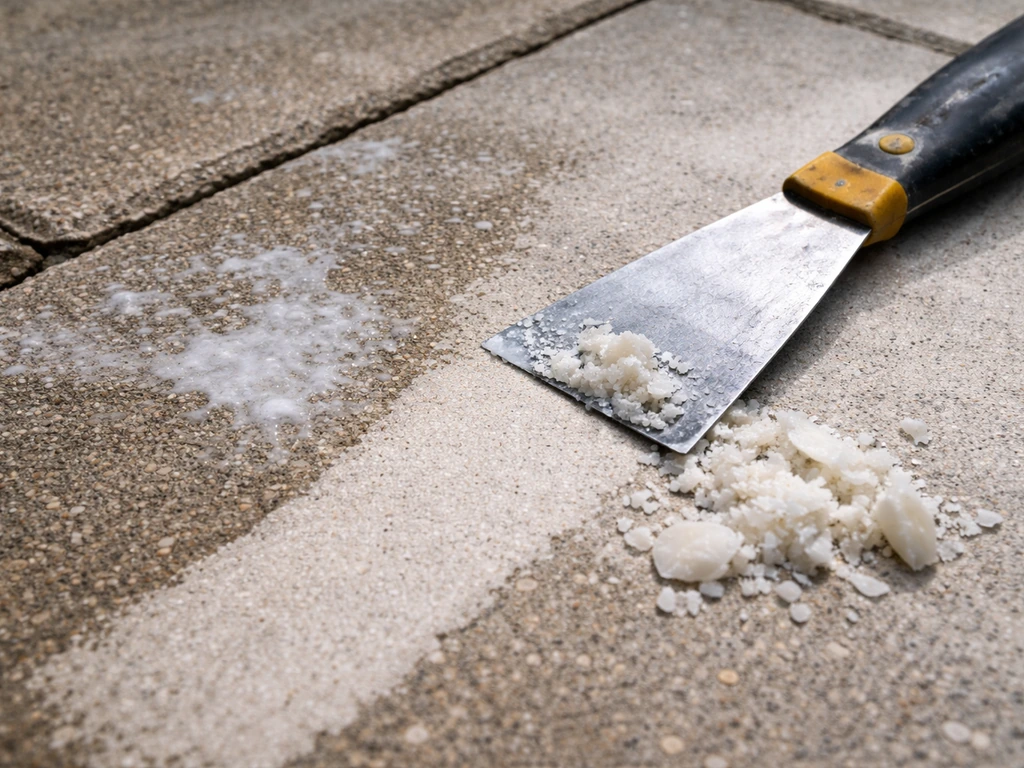
Before you grab any cleaner, spend two minutes identifying what you're working with. The wax type matters because candle wax, citronella wax, and floor or sealer wax all have slightly different melting points and residue profiles. Candle and citronella wax (the most common culprits on a patio) behave similarly: they solidify, bond lightly to the surface texture, and leave an oily haze after the bulk is removed. Sealer or floor wax is a different beast and usually needs a dedicated wax stripper product rather than the scrape-and-solvent method here.
Your patio material is equally important. Concrete and brick are porous and tough, so they can handle stronger solvents and a bit more scrubbing. Natural stone, pavers, travertine, and flagstone range from moderately porous to very delicate, and acidic cleaners or stiff wire brushes can etch or scratch them permanently. If you're not sure what your patio is made of, run a fingernail across a hidden corner: concrete and brick feel gritty and hard, travertine and limestone feel slightly chalky, and polished stone feels smooth and almost glassy. Knowing this before you start saves you from a costly mistake.
Remove bulk wax safely: freeze it or soften it
There are two reliable approaches for getting the big mass of wax off the surface, and which one you choose depends on how fresh the wax is and what material you're working on.
The freeze-and-scrape method (best for most surfaces)
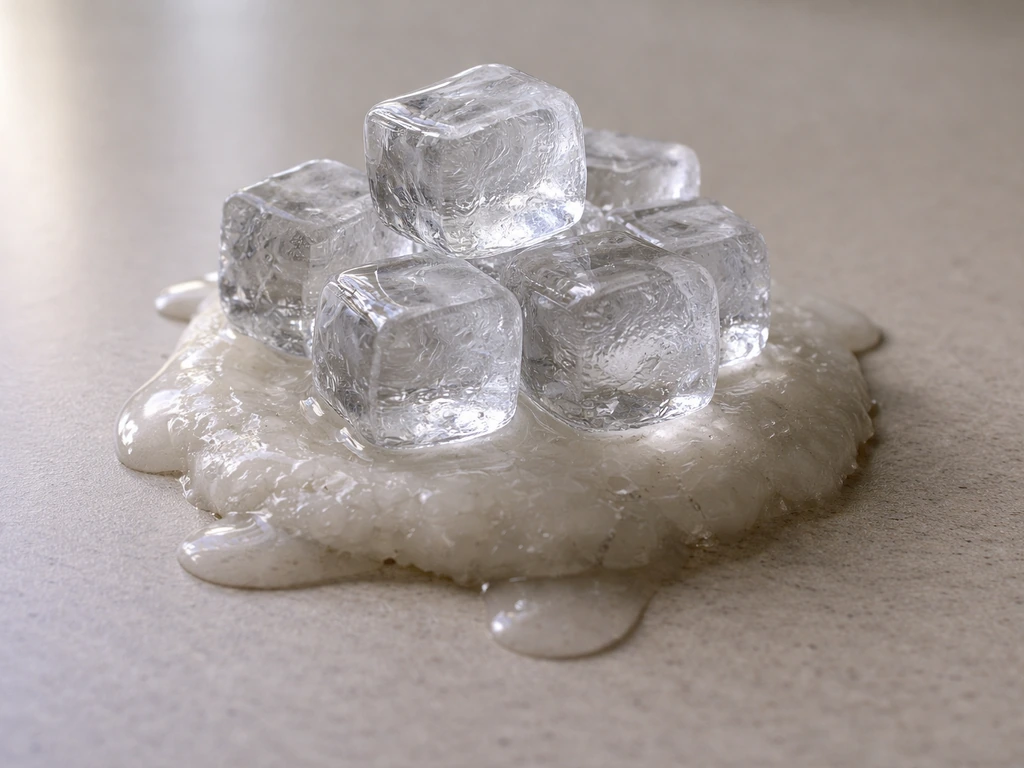
This is my go-to for hardened wax on any patio material, especially stone, travertine, and flagstone where heat can be risky. Pack ice cubes directly onto the wax and leave them for 5 to 10 minutes until the wax is thoroughly chilled and brittle. Then take a plastic scraper or the dull back edge of a butter knife and apply firm but controlled pressure at a low angle, almost parallel to the surface. The wax should pop off in flakes rather than smear. Avoid metal scrapers on stone and travertine: they will scratch. A stiff plastic putty knife is the right tool for every surface here.
The heat-and-wick method (for concrete and brick with stubborn wax)
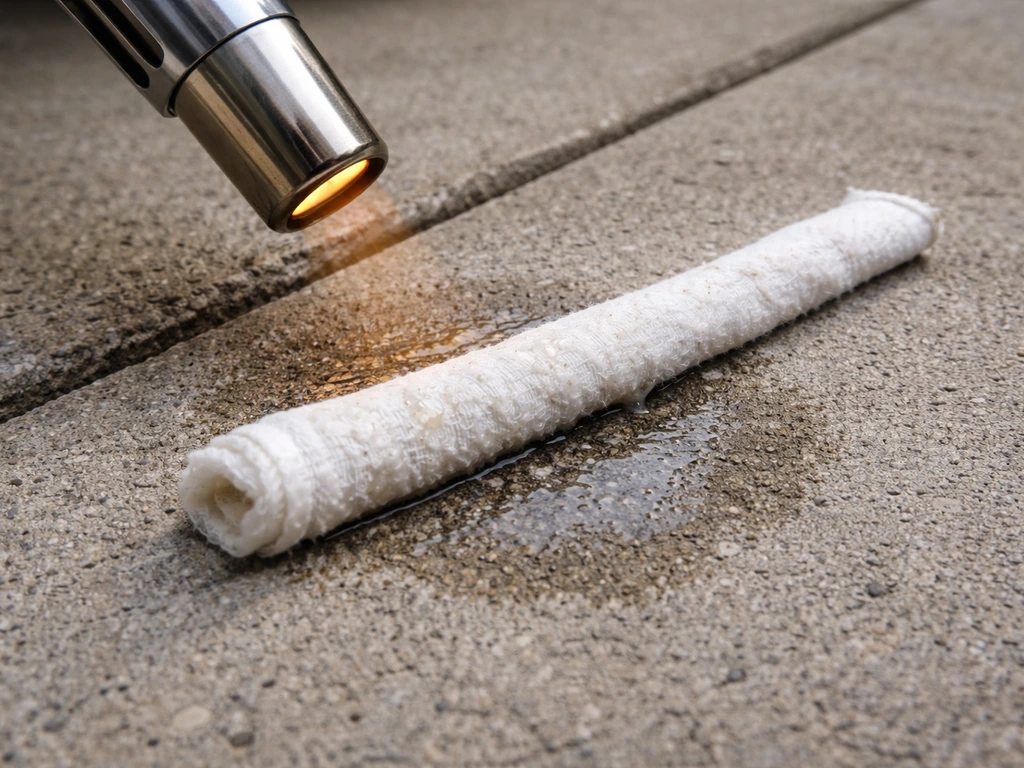
For wax that has soaked into the pores of concrete or brick, heat can pull it back out. Good Housekeeping also recommends blank" rel="noopener noreferrer">scraping hardened wax with a plastic scraper or dull knife, then using clean paper towels with a warm, dry iron to lift remaining wax, followed by an adhesive remover or laundry stain remover if needed. For stubborn wax stains on a concrete patio, pairing the heat-and-wick method with the right residue cleaner helps prevent oily haze from coming back how to remove candle wax from concrete patio. Lay two or three layers of clean paper towels directly over the wax stain. Press a warm iron (set to low, no steam) onto the paper towels and hold it for about 10 seconds. The heat re-melts the wax and the paper towels wick it away from the surface. Lift the towels, move to a clean section of paper towel, and repeat until no more wax transfers. Be careful: the paper can catch if the iron is too hot, and boiling water poured directly onto concrete (another method you'll see online) creates real steam burn risk. I'd stick to the iron method, it's just as effective and much safer.
Do not use the heat method on polished stone, travertine, or glazed pavers. The thermal shock or direct heat can cause cracking or surface discoloration on those materials. Stick exclusively to the freeze-and-scrape approach for any natural stone surface.
Lift the remaining wax residue with the right cleaner
After scraping, you'll almost always have a faint oily haze or thin film left behind. If you still see an oily haze on your patio slabs, the right cleaner can help lift the remaining wax residue oil haze. This is the wax that has bonded to surface texture or soaked slightly into pores, and scraping alone won't get it. After bulk wax removal, Alliance Chemical recommends applying blank" rel="noopener noreferrer">mineral spirits to a rag to remove wax residue, then wiping off any remaining cloudy film with a cloth lightly dampened with mineral spirits. Here's what works, from gentler to stronger.
Dish soap and warm water (gentlest option, good for light residue)
For light wax haze on any surface, a few squirts of dish soap in a bucket of warm water scrubbed with a stiff-bristled nylon brush is often enough. Work in small circles, let it sit for a minute, then rinse well. This is the safest starting point for travertine, polished flagstone, or any surface you're uncertain about.
White vinegar (gentle acid for stone and pavers)
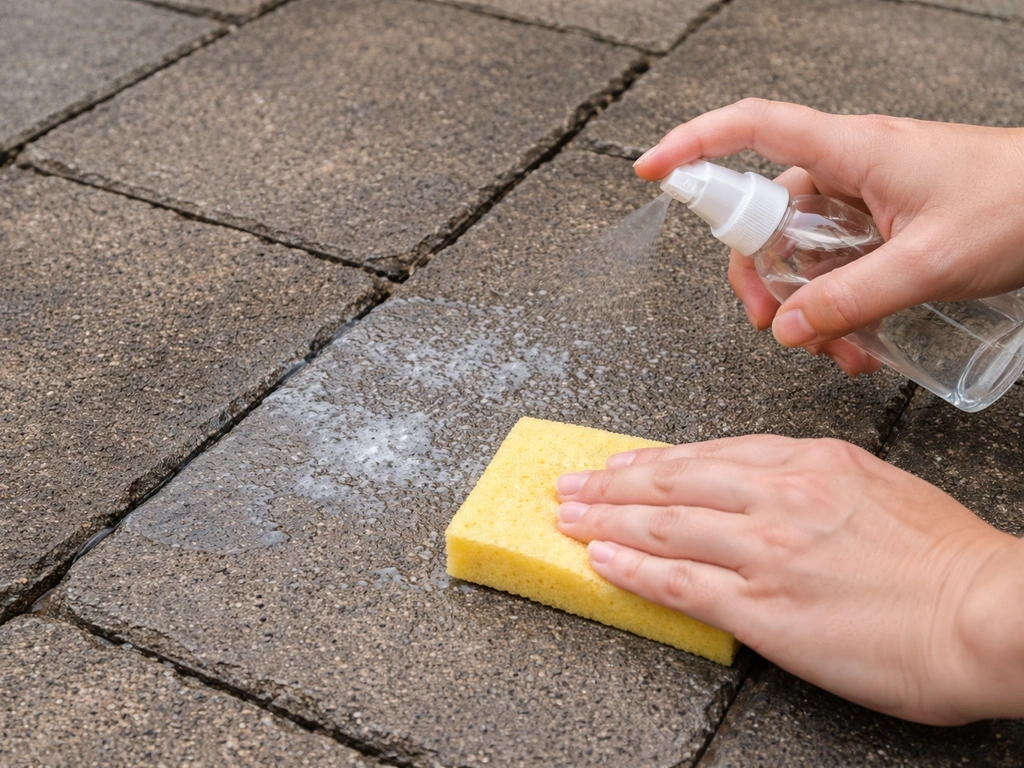
Diluted white vinegar (equal parts vinegar and water) can help cut through waxy residue on concrete, brick, and most pavers. It's a good choice if you have pets or plants nearby since it won't cause harm after rinsing. Important caveat: never use vinegar on travertine, limestone, or marble-based flagstone. These are calcium carbonate stones, and even mild acid will etch the surface visibly. If you're unsure whether your stone contains limestone, skip the vinegar entirely.
Mineral spirits (best for stubborn oily residue)
Mineral spirits are the most effective option for cutting through wax residue, especially on concrete and brick where wax has soaked in a bit deeper. Dampen a clean rag with mineral spirits and rub it over the residue using circular motions. You'll see the haze start to lift almost immediately. Follow up with a second pass using a fresh, lightly dampened rag to remove the cloudy film the mineral spirits leave behind. Then wash the area with dish soap and water to remove any solvent traces before rinsing. Mineral spirits are safe on most patio materials but should be used sparingly on porous unsealed stone since they can temporarily darken it. Always test in a hidden spot first.
Adhesive remover or laundry stain spray (for really stuck residue)
Products like Goo Gone or a laundry pre-treatment spray (WD-40 in a pinch) can dissolve wax residue that mineral spirits haven't fully shifted. Apply a small amount, let it dwell for 2 to 3 minutes, then scrub with a nylon brush and rinse thoroughly. These are fine on concrete and brick. On natural stone, use them only if you've confirmed the product is stone-safe, since some adhesive removers contain citrus acids that can etch sensitive materials.
Deep-clean and rinse to prevent haze or streaking
Once the wax residue is gone, you need a proper final clean or you'll end up with a streaky film that looks worse than the original wax. Mix a generous squirt of dish soap into a bucket of warm water and scrub the entire affected area with a nylon brush, not just the spot you treated. This step removes solvent residue, soap scum from earlier steps, and any loosened grime that the wax had trapped.
Rinse with plenty of clean water. A garden hose on a strong setting works well for most surfaces. If you have a pressure washer, a 1,200 to 1,500 PSI setting with a 25-degree fan tip is fine for concrete and brick. For stone, travertine, and flagstone, keep pressure below 1,000 PSI and hold the nozzle at least 12 inches from the surface to avoid blasting out grout or etching softer stone. Let the surface dry completely (usually 24 hours in good weather) before checking if any haze remains. What looks like a stain when wet often disappears once dry.
What to do on each material: concrete, brick, stone, pavers, travertine, flagstone
| Material | Best removal method | Safe solvents/cleaners | Avoid |
|---|---|---|---|
| Concrete | Freeze-and-scrape or heat-and-wick | Mineral spirits, dish soap, diluted vinegar, adhesive remover | Wire brushes (can scratch), strong acids like muriatic unless diluted |
| Brick | Freeze-and-scrape or heat-and-wick | Mineral spirits, dish soap, diluted vinegar | Wire brushes (can chip mortar), undiluted strong acids |
| Natural stone (general) | Freeze-and-scrape only | Dish soap, mineral spirits (test first) | Heat methods, vinegar, citrus-based cleaners, wire brushes |
| Pavers (concrete-based) | Freeze-and-scrape | Dish soap, diluted vinegar, mineral spirits | High-pressure washing at close range, acidic cleaners on colored pavers |
| Travertine | Freeze-and-scrape only, very gentle | Dish soap and warm water only | Vinegar, any acid, adhesive removers unless stone-safe, heat, pressure washing above 800 PSI |
| Flagstone | Freeze-and-scrape | Dish soap, mineral spirits (test first) | Acid-based cleaners, wire brushes, high-pressure washing |
Travertine and limestone-based flagstone deserve special mention because I've seen people ruin expensive stone by reaching for vinegar thinking it's 'natural and safe.' It is not safe on these materials. The acid reacts with the calcium carbonate in the stone and leaves permanent dull etching that no amount of scrubbing will fix. If you're dealing with wax on travertine or similar stone, stick to dish soap and warm water, use a plastic scraper, and be patient. Specific guidance on candle wax removal from stone patio surfaces and from patio pavers covers these scenarios in more depth. For step-by-step instructions on how to remove candle wax from patio pavers without damaging the surface, follow the tailored guidance for pavers.
Prevent damage: test spots, tool choice, and safety
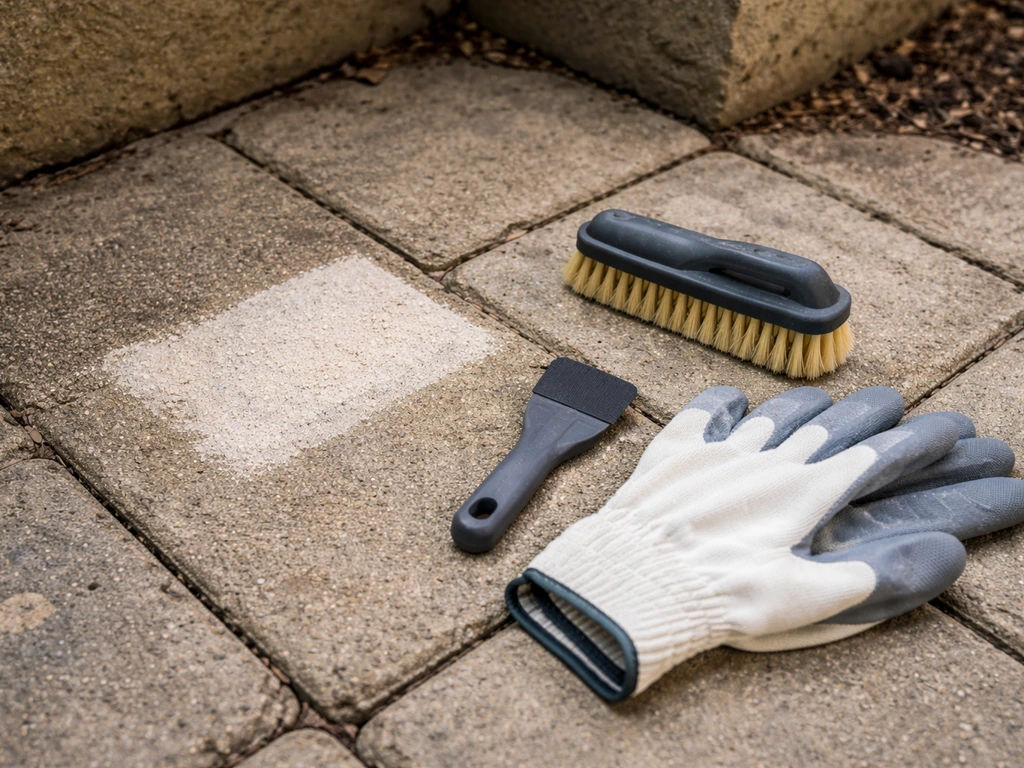
Always test any solvent or cleaner on an inconspicuous spot before applying it to the main stain. Pick a corner under a planter or near the edge of the patio, apply the product, wait 5 minutes, and check for discoloration, etching, or bleaching. This one step takes two minutes and has saved me from disasters more than once. It's especially critical on colored concrete, stamped pavers, and any natural stone.
On tool choice: plastic scrapers and nylon brushes are your friends on every surface. Metal scrapers and wire brushes are too aggressive for anything other than heavy-duty concrete, and even then they leave micro-scratches that trap future stains. A stiff nylon deck brush gives you plenty of scrubbing power without the damage risk.
For safety: work in ventilated conditions when using mineral spirits or adhesive removers, wear chemical-resistant gloves, and keep kids and pets off the treated area until you've completed the final rinse and the surface is dry. If you have plants bordering the patio, wet them down before you start and rinse them off after, especially if you're using any solvent-based product. Dish soap and diluted vinegar (on appropriate surfaces) are fine around plantings once fully rinsed.
Finishing steps and what to do if wax is still there
After the final rinse, let the surface dry fully before assessing. If a faint haze remains, go back with mineral spirits and the nylon brush before rinsing again. Repeat the cycle up to three times on concrete or brick, and you'll usually clear even deep-set wax from candles or citronella torches. For stone and travertine, if dish soap isn't clearing the residue after two rounds, a stone-specific cleaner from a tile or flooring supply store is your next step rather than reaching for harsher chemistry.
If the wax has been sitting for a long time and has truly bonded into deep pores of concrete, a poultice can help. Mix baking soda with a small amount of mineral spirits into a thick paste, spread it over the stain, cover with plastic wrap, and leave it for 12 to 24 hours. The paste draws the wax out as it dries. Then scrape, scrub with dish soap, and rinse. This takes longer but it's safer on surfaces where aggressive scrubbing might cause damage.
- Still seeing residue after two rounds? Switch cleaners: if you used dish soap, try mineral spirits next; if you used mineral spirits, try an adhesive remover.
- Stain looks darker than the surrounding surface? Let it dry fully (24 hours). Wet stone and concrete always look like they have a stain. Check again when dry.
- White chalky haze after cleaning on concrete or pavers? This is efflorescence (mineral deposit), not wax. It needs a different treatment: a diluted muriatic acid wash on concrete, or a pH-neutral efflorescence remover on pavers and stone.
- Wax has spread across a large area? Work in small sections (about 2 square feet at a time) so solvents don't evaporate before you can scrub and rinse.
- Nothing is working? If this is a significant area of high-end travertine or natural stone, call a professional stone restoration service before you risk permanent damage. The cost of a pro cleaning is almost always less than refinishing or replacing etched stone.
One last thing worth knowing: if the wax came from a citronella candle or torch, the wax itself may have a slightly stronger bond to the surface because citronella oil can act as a mild penetrating agent over time. If you have citronella wax on patio stone, follow the same freeze, scrape, and solvent approach, then deep-clean thoroughly to remove the oily haze citronella candle or torch. The process is the same as for regular candle wax, but you may need an extra round or two with mineral spirits and a slightly longer dwell time. Detailed approaches for getting citronella wax off patio stone and removing candle wax from concrete patio surfaces are worth reading if you're dealing with those specific scenarios. The core method is the same: freeze, scrape, dissolve residue, deep-clean, rinse, and check when dry.
FAQ
Can I just scrub the wax off with soap and water?
Don’t rely on soaking or scrubbing alone. If the wax is still soft, chill it first (ice) so it breaks free as flakes, then treat the leftover film with the gentlest compatible cleaner. Heat can smear wax into pores and make the haze last longer, especially on stone.
What if the wax is warm or the patio is in direct sun?
Yes, but only after the surface is fully cold and dry. Reheating wax spreads it, even if you scrape immediately, because residue can liquefy and reattach. If the patio got warm in the sun, refreeze with fresh ice and repeat freeze-scrape before using any solvent.
How do I know when I’m done, or when it’s only residue and not remaining wax?
If you see oily rainbow sheen or a consistent cloudy film after scrubbing, it usually means wax or solvent residue is still present. Go back to a second stage, wipe with mineral spirits using fresh rags, then do a whole-area dish soap scrub and a thorough rinse before drying.
Is the method safe for painted or sealed patio surfaces?
On painted concrete, sealed coatings, or patios with unknown sealers, start with dish soap and warm water plus nylon brushing. Avoid mineral spirits, vinegar, and adhesive removers until you confirm the coating is intact, because some sealers can soften or dull temporarily.
Can I use boiling water to remove wax from a patio?
Don’t pour boiling water directly onto concrete. The steam burn risk is real, and it can drive wax deeper or create new staining. Use the warm iron over paper towels instead, and keep the iron on low with no steam.
Why shouldn’t I use a wire brush or metal scraper?
No. Wire brushes and metal scrapers are the most common reason people end up with permanent micro-scratches that trap future stains. Use a plastic scraper and a stiff nylon brush, reserving harsher tools only for heavy-duty unsealed concrete if you must.
Do I need to dry the patio before checking for stains?
Let the patio dry completely before judging results. Wet haze can look like a stain, then disappear as water evaporates. Recheck after about 24 hours in good conditions, then repeat the correct residue step if it remains.
Can I use a pressure washer to remove candle wax?
If you have a sealed paver system or sealed stone, pressure washing can force residue into joints or the sealer. Use the lowest effective pressure, keep the nozzle farther back (especially for stone), and avoid blasting grout or soft stone.
What should I do if the wax stain is old and seems impossible to lift?
For persistent wax that has deeply bonded, a poultice can work, especially on old concrete stains. Use a baking soda paste with a small amount of mineral spirits, cover it with plastic wrap, and leave it 12 to 24 hours before scraping and washing.
Does citronella candle or torch wax need a different approach?
If the wax came from a citronella torch, expect stronger oily residue because the oil component can penetrate slightly over time. Freeze-scrape still applies, but plan for extra rounds of mineral spirits and a longer dwell time with compatible residue cleaners, then deep-clean with dish soap afterward.
How do I choose and test a cleaner if I’m not sure what patio material it is?
Test any cleaner on a hidden spot first, then wait for drying before you decide it’s safe. Some products darken porous stone temporarily, and others can cause subtle etching that only shows clearly after the first dry cycle.
Why does the patio look streaky after treatment?
Do it systematically: after removing wax, scrub the entire affected area with dish soap and warm water using a nylon brush, then rinse well. Spot-rinsing or rinsing only the treated patch often leaves streaks where solvent residues are concentrated.
What if dish soap doesn’t remove the haze on travertine or limestone stone?
If dish soap doesn’t remove haze on travertine, don’t escalate to vinegar or acids. Your next step should be a stone-specific cleaner from a flooring or tile supplier, or another mineral-spirits-and-rinse round only if the product is confirmed compatible with the stone finish.
How long should I keep kids and pets away, and what about nearby plants?
Prevent reattachment by removing all wax bulk and residue, then keep pets and kids off until after the final rinse and full dry. For plant borders, wet the area beforehand and rinse thoroughly afterward, especially if you used any solvent-based product.
Next Articles
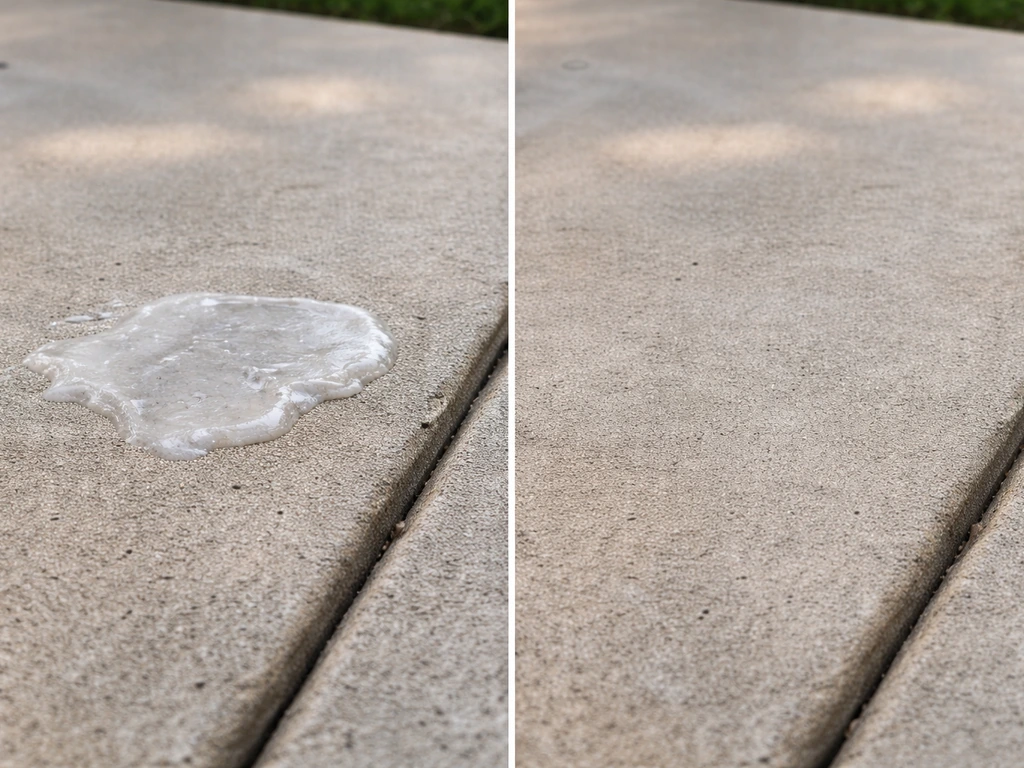
How to Remove Candle Wax From a Concrete Patio
Step-by-step tips to remove candle wax and residue from concrete patio, using freeze-scrape and safe cleaners.
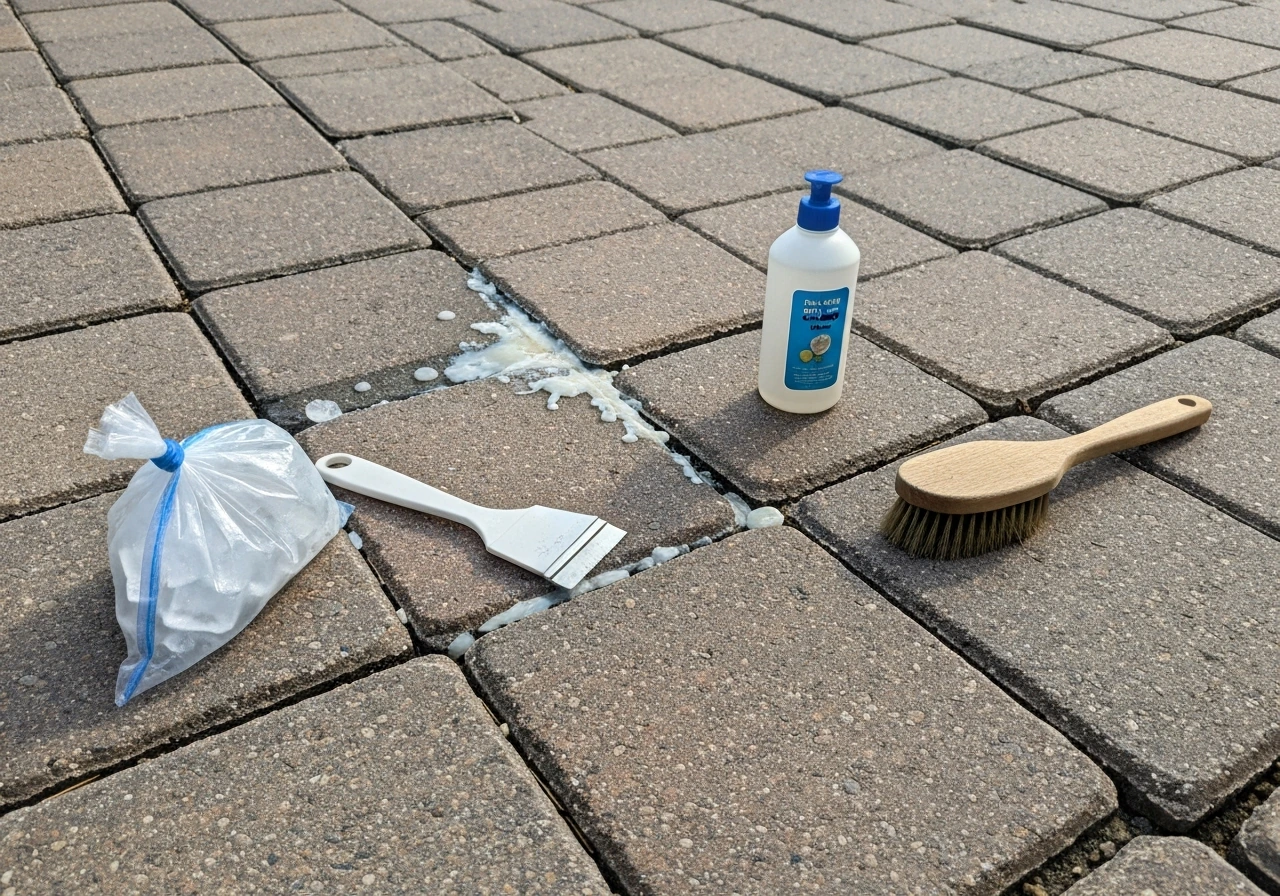
How to Remove Candle Wax from Patio Pavers Safely
Step-by-step methods to remove fresh and ground-in candle wax from patio pavers, including joint cleanup and safe afterc
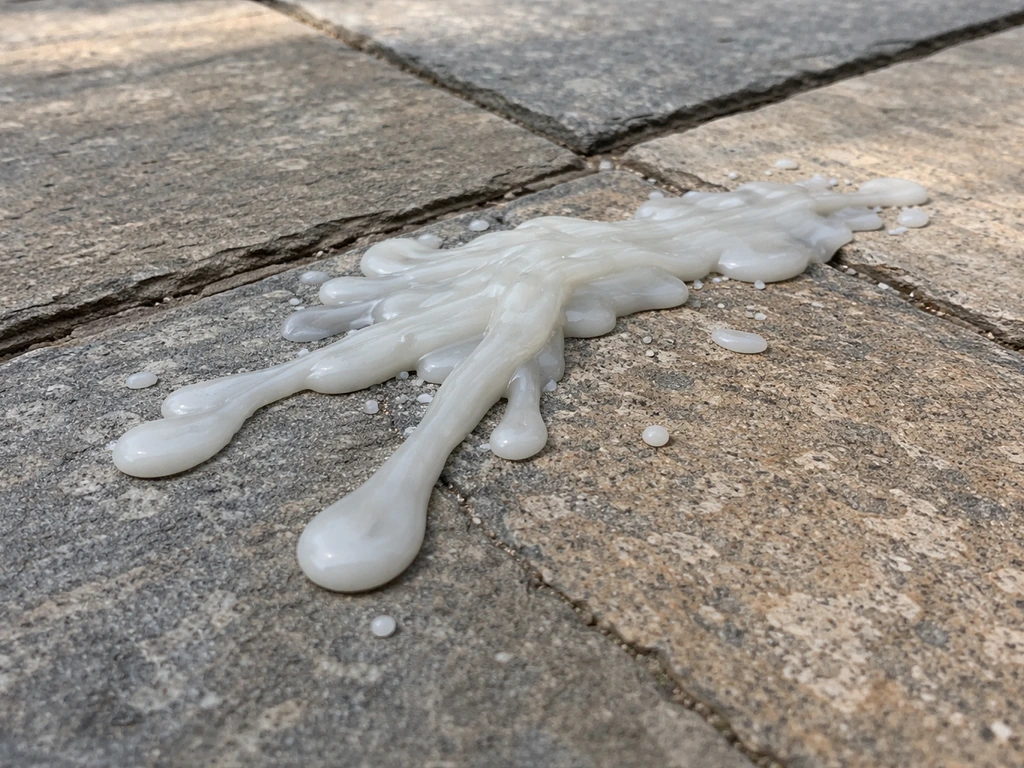
How to Remove Candle Wax From Stone Patio Safely
Step-by-step safe removal of fresh or hardened candle wax from stone patios, with heat and chemical options and stain cl