
You can remove paint from a brick patio using a combination of mechanical scraping, a purpose-made masonry paint stripper, and a good rinse. The right method depends on how thick the paint is and how well it has bonded to the brick. For thin drips or overspray, a stiff brush and some elbow grease often does it. For thick, old coatings, you'll need a chemical stripper with a proper dwell time and a pH neutralizer afterward.
How to Remove Paint From a Brick Patio Step by Step
Dylan Hale
28 Jun 2026
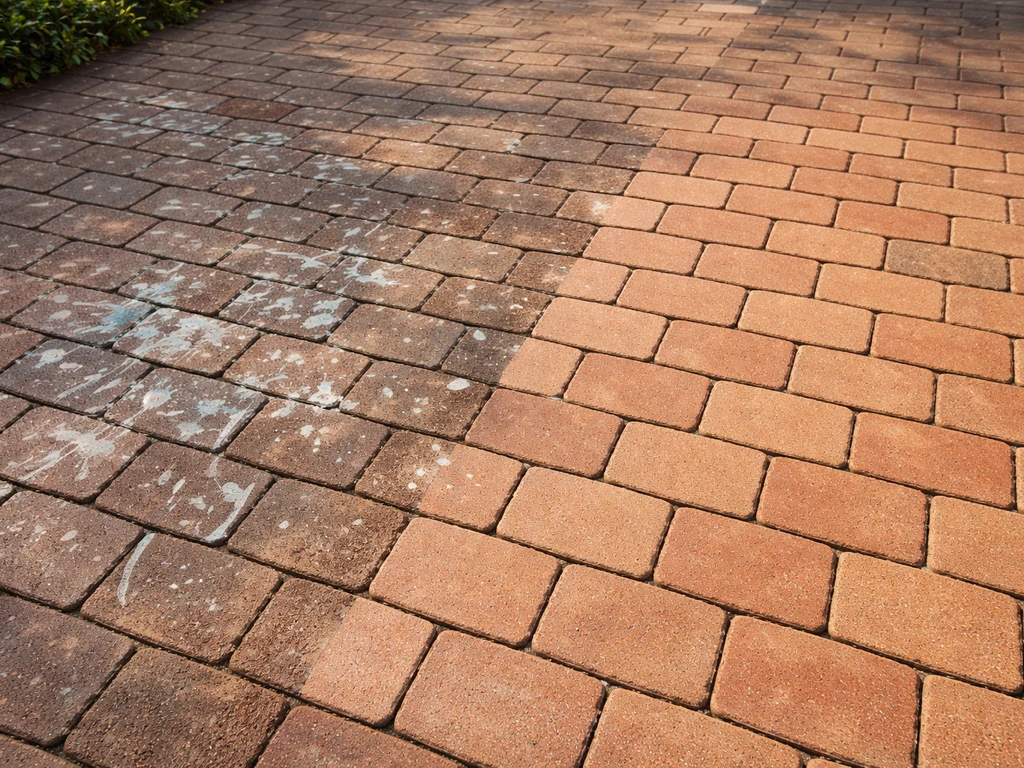
Fence paint removal from patio slabs follows a similar process: start with gentle mechanical cleaning, then use a masonry-safe stripper if the coating has bonded. Whatever route you take, the key rule with brick is this: gentler is almost always safer, because aggressive tools and high pressure can scar the brick face and erode the mortar joints in a way that's difficult to reverse.
Assess the situation before you touch anything
A few minutes of assessment upfront will save you from ruining your brick or wasting an afternoon with the wrong method. Start by figuring out what kind of paint you're dealing with and how much of it there is.
- Water-based (latex) paint: Usually peels or flakes when dry, feels chalky when you scratch it. Easier to remove, especially if it hasn't fully cured into the brick.
- Oil-based paint: Harder, glossier surface. Takes longer to break down and almost always needs a chemical stripper or heat.
- Thick/layered coatings: If the brick has been painted over multiple times, you're dealing with a bonded coating that needs a heavy-duty product like Peel Away 1.
- Fresh drips vs. old overspray: Fresh paint (within 24 hours) wipes off with water and a stiff brush. Old, dried paint needs more intervention.
Once you know what you're up against, prep the area before you start. Cover nearby plants with plastic sheeting (chemical strippers will damage foliage fast). Wet any surrounding soil at the base of the patio to dilute any chemical runoff. Remove or cover any outdoor furniture, fixtures, or metal edging because solvents and strippers will damage them. If you have a newer sealed brick patio, be aware that aggressive strippers or high-pressure washing can lift or damage the sealant, so you may need to reseal afterward.
Always do a patch test first. Pick a small, inconspicuous corner of the patio and try your chosen method there. Let it sit, rinse it off, and check the brick color and mortar condition before committing to the whole surface. This step catches problems early and is worth the extra 10 minutes every time.
Mechanical removal: what to use and how not to damage the brick
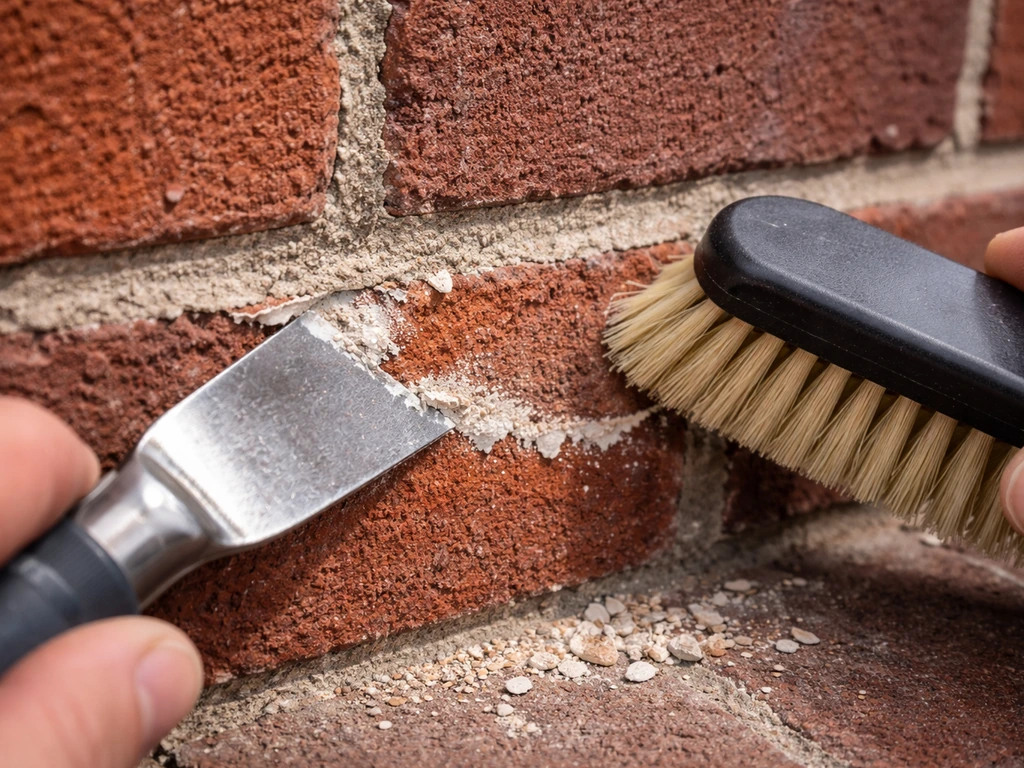
Mechanical removal means physically lifting or abrading the paint off the surface. It works best for small areas, fresh paint, thin drips, or as the first pass before applying a chemical stripper. The challenge with brick is that it's porous and the mortar joints are softer than the brick itself, so aggressive tools can do real damage.
Here's what actually works for brick without causing scarring:
- Plastic scraper or putty knife: Best first move for thick drips and blobs. Angle it at 30 to 45 degrees and push forward in short strokes. Plastic won't gouge the brick face the way metal can.
- Stiff nylon brush: Good for textured brick surfaces and mortar joints. Use in a circular scrubbing motion with warm soapy water to loosen paint before it fully dries.
- Natural bristle or stiff synthetic scrub brush: Works well for scrubbing paint residue once a stripper has softened it.
- Wire brush: Use with caution. A wire brush can remove light surface residue but it will scratch softer brick and shred mortar joints if you apply too much pressure. Keep passes light and short.
- Razor blade scraper: Useful on smooth, hard-faced brick for thin film paint. Keep the blade at a very low angle (almost flat) and replace it frequently. Don't use on rough or textured brick.
- Scratch pads (non-metallic): Good for delicate brick or painted tiles where you need control without abrasion.
Work in small sections about one square foot at a time. This keeps you from spreading wet paint around and lets you evaluate progress as you go. Mechanical removal alone rarely gets every trace of paint off porous brick because paint soaks into the surface texture. A chemical step is often needed if you are trying to get paint off a patio where it has soaked into porous brick. A chemical step usually follows.
Chemical paint removal: strippers, solvents, and how to use them safely
Chemical strippers are the most reliable way to remove paint that has bonded to brick, especially old or thick coatings. The key is choosing a product made for masonry and using it correctly with proper safety gear. Never skip the PPE on this step.
PPE you need before opening any chemical stripper
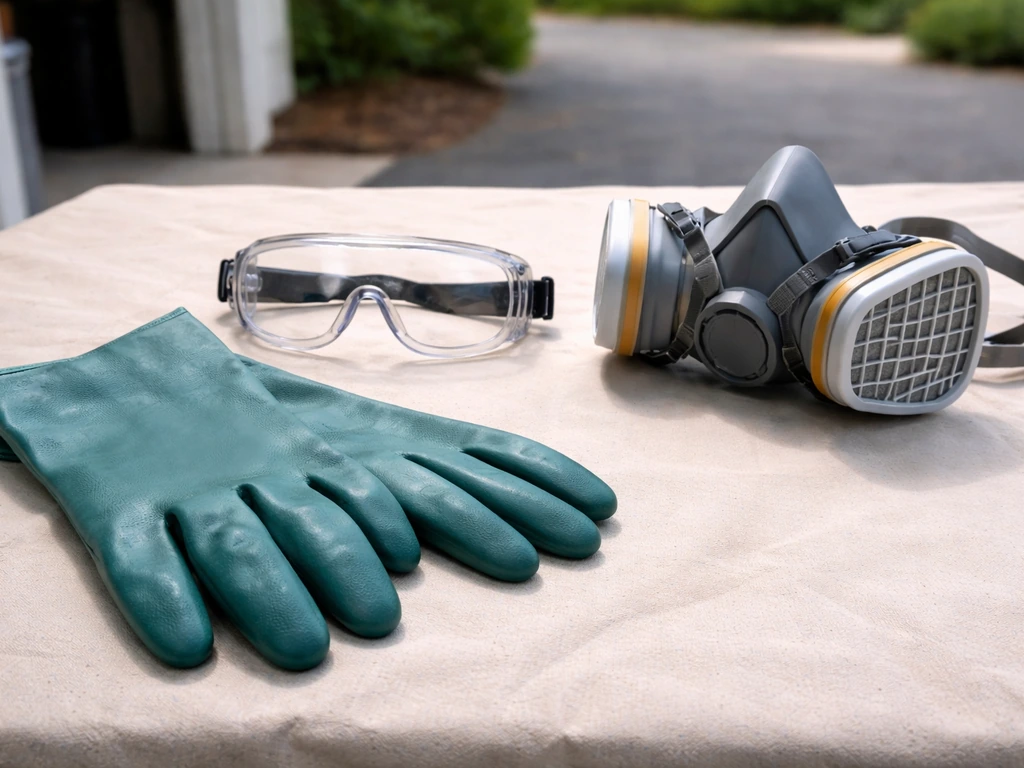
- Chemical-resistant gloves (nitrile or neoprene, not thin latex)
- Safety goggles or a full face shield
- Respirator rated for chemical vapors (not just a dust mask) if working with solvent-based products or in enclosed/low-airflow spaces
- Long sleeves, long pants, and old clothes or coveralls
- Closed-toe shoes or boots you don't mind getting product on
Work outdoors or with strong ventilation. Some paint removers contain methylene chloride or sodium hydroxide (lye), both of which are absorbed through skin and can cause serious harm. Even water-based alkaline strippers need respect.
Best chemical options for brick patios
| Product Type | Best For | Dwell Time | Neutralizer Needed? | Notes |
|---|---|---|---|---|
| Heavy-duty alkaline stripper (e.g., Peel Away 1) | Thick, multi-layer, or old bonded paint | 12 to 24 hours under laminated paper | Yes, always | Can remove up to 30 layers in one application; comes with Citri-Lize neutralizer |
| Masonry gel stripper (e.g., Soy Gel) | Multi-layer coatings, vertical and horizontal surfaces | Several hours; check manufacturer spec | Usually not, but rinse well | Bio-based, lower fume risk, clings well to brick texture |
| Graffiti remover gel (e.g., Krud Kutter, ASBO) | Thin paint, overspray, or spray paint | 2 minutes to 1 hour depending on paint type | No, but rinse thoroughly | Works on porous masonry; follow porous-surface instructions |
| Solvent-based paint remover | Oil-based or enamel paint | 15 to 45 minutes typically | Sometimes; check product label | Higher fume risk; ensure strong ventilation |
How to apply a chemical stripper to brick
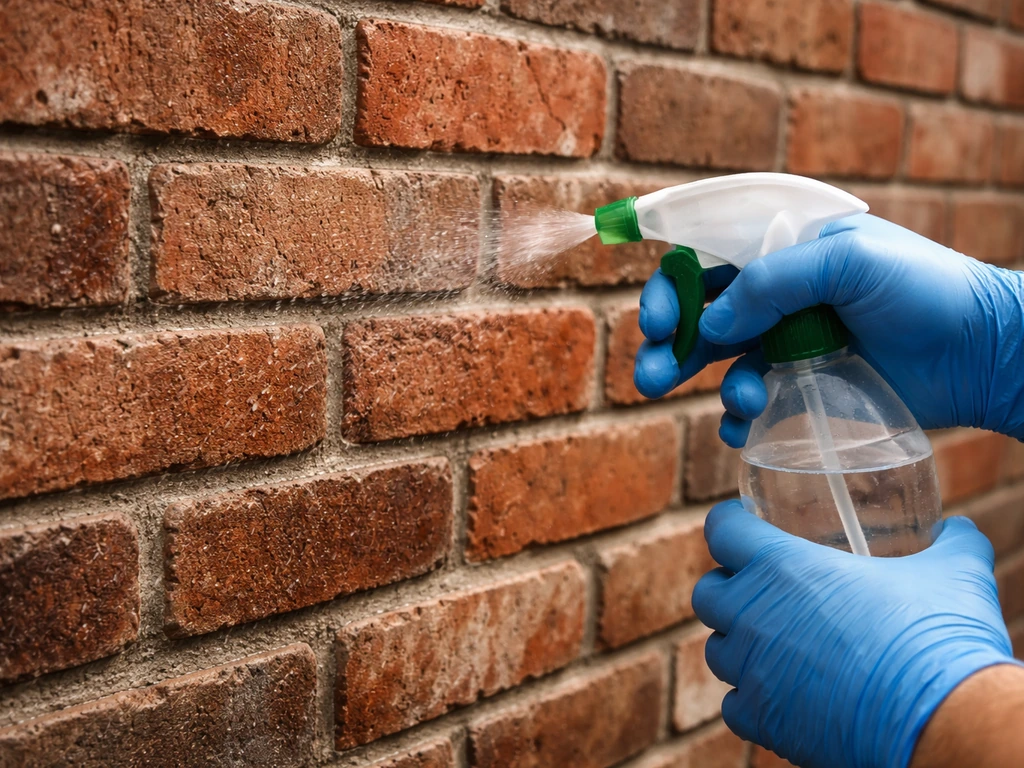
- Pre-wet the brick surface with water. This prevents the porous brick from absorbing the stripper too quickly and keeps the product working at the surface where you need it.
- Apply the stripper generously using a brush, roller, or spatula depending on the product type. Gel strippers work especially well on brick because they stay in place.
- Cover with laminated paper or plastic sheeting if the product requires it (Peel Away 1 does). This prevents the product from drying out before it has time to work.
- Wait out the dwell time fully. For Peel Away 1, that means at least 12 to 24 hours. For gel graffiti removers, as little as 2 minutes for fresh paint but up to an hour for old coatings.
- Do not let the stripper dry out completely. If it starts to harden before you're ready to remove it, re-wet with water or reapply product.
- Scrape off the lifted paint and used stripper with a plastic scraper. Collect debris in a plastic bag for disposal.
- Scrub the surface with a stiff nylon brush and warm water to remove remaining residue.
- If you used an alkaline stripper, neutralize the surface. Apply the included neutralizer (like Citri-Lize) or use a dilute acidic rinse, following product instructions. Then rinse thoroughly from the bottom up to avoid recontaminating lower areas.
- Check pH if the product included test strips. You want a neutral reading before you declare the area done.
One thing I want to flag about Peel Away specifically: do not skip the neutralizer step. Alkaline residue left on brick can cause problems with any subsequent coating, sealant, or even just the look of the brick surface. Multiple Reddit discussions from homeowners who skipped this step describe whitish residue that wouldn't wash off for months. The neutralizer step is not optional.
Gentler alternatives and when they actually work
If you have pets, kids, or a garden right up against the patio, or you just prefer to avoid harsh chemicals where possible, there are gentler options. I'll be honest about where they work and where they fall short.
- Hot soapy water and a stiff brush: Genuinely effective on fresh latex paint that hasn't fully cured. Mix a few squirts of dish soap or a degreaser into hot water and scrub hard. Won't touch dried or oil-based paint.
- White vinegar: Works as a mild aid on very light residue or chalky paint that's already breaking down. Apply undiluted, let it sit for 15 to 20 minutes, then scrub. Vinegar is not a paint stripper, and it won't touch thick or bonded paint. Think of it as a finishing step for light residue, not a replacement for a real stripper.
- Bio-based gel strippers (Soy Gel, SoyGreen): These are formulated with biodegradable, natural ingredients and are water-based. They're genuinely effective on multiple paint layers, not just a 'green washing' product claim. They take longer than solvent-based products (sometimes overnight) but they're much safer to use around plants, people, and pets. I'd reach for these first for a brick patio if I had time.
- Baking soda scrub: Mixed into a paste with water and applied to residue, baking soda can help lift the last traces of water-based paint. It's mild, won't harm mortar, and is safe around plants.
The honest truth is that if you're dealing with a thick, old painted coating across a whole patio surface, gentle methods will not do the job on their own. They're excellent for light overspray, fresh drips, or as a finishing step after the heavy work is done. If you're trying to remove paint off other surfaces like concrete or patio slabs, the approach shifts somewhat because those materials handle chemicals and pressure differently than brick. If you are removing paint off a concrete patio, focus on the type of paint and choose a concrete-safe method so you do not scar the surface paint off other surfaces like concrete or patio slabs.
Pressure washing vs. manual scrubbing: making the right call
Pressure washing can help remove softened paint after a chemical stripper has done its job, but it's not a standalone paint removal method for brick, and it can cause real damage if you get it wrong. Here's how to think about it.
When pressure washing helps
Pressure washing is most useful as a rinse and final cleanup step after mechanical and chemical removal. It helps blast away softened paint residue, leftover stripper, and fine particles that a brush can't reach in the brick's texture. It's also good for large areas where hand-rinsing would take forever.
Pressure and nozzle settings for brick
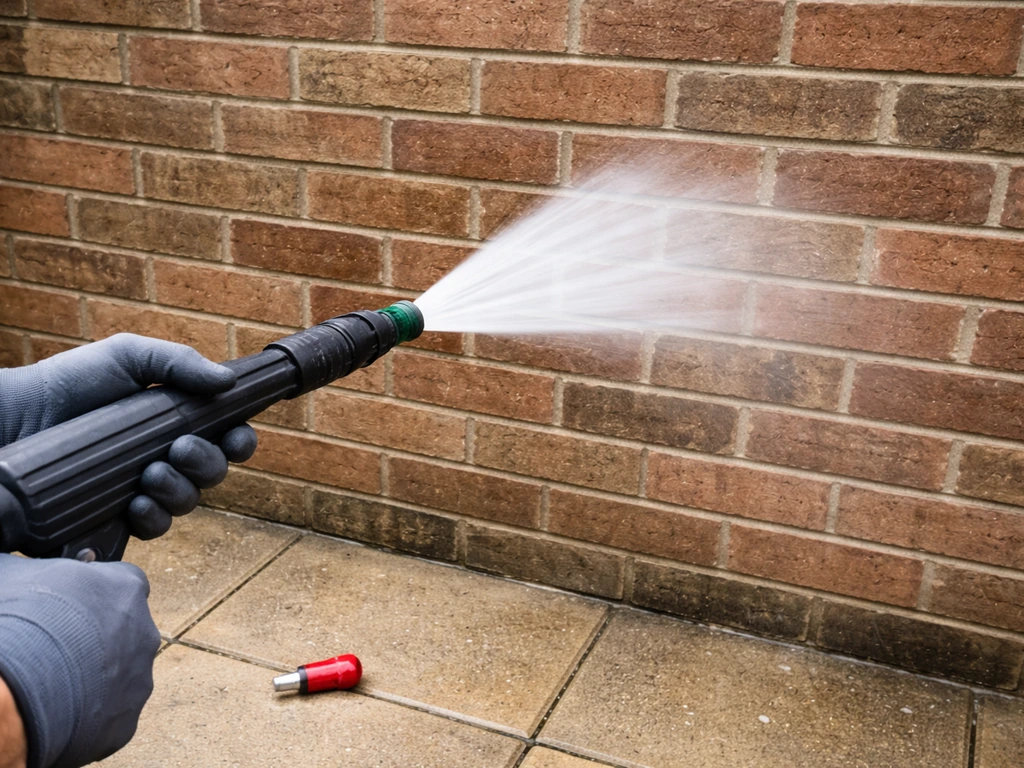
This is where most people go wrong. Brick and mortar are more vulnerable to pressure damage than people expect, especially older brick or hand-laid patios. Keep pressure below 800 psi for brick. Higher than that and you risk eroding mortar joints, pitting the brick face, and driving moisture deeper into the surface. Many masonry cleaning guides suggest starting as low as 100 to 500 psi and only increasing if necessary.
- Use a wide-angle nozzle (25 to 40 degrees). Never use a turbo or zero-degree nozzle on brick.
- Hold the wand at least 12 to 18 inches from the surface and keep it moving. Don't hover in one spot.
- Angle the spray slightly to one side rather than directly perpendicular to the surface. This avoids forcing water and debris directly into the mortar joints.
- Start at the lowest pressure setting on your machine and increase only if residue isn't moving.
- Rinse from the bottom of the patio upward if you've used alkaline chemicals, to avoid recontaminating lower surfaces with runoff.
When to stick with manual scrubbing
Manual scrubbing is the right call if you're working on a small area (a few drips or a single section), if your patio is older or you can see the mortar is already crumbling, or if you simply don't have a pressure washer. A stiff nylon brush with warm soapy water or a diluted neutralizer solution works perfectly well for most post-stripper cleanup. It also gives you much more control over what happens to each mortar joint. For renters or anyone without access to a pressure washer, manual scrubbing plus a good garden hose rinse is a completely viable approach.
Step-by-step cleanup, residue removal, and brick restoration
Once the bulk of the paint is off, you're not quite done. If you still see spots after the first cleanup, revisit the paint removal steps and try a different approach for stubborn areas. Proper cleanup prevents residue staining, and a little attention to the mortar and brick face now will keep your patio looking good long-term.
- Remove all debris: Scrape up and bag any paint chips, used stripper paste, or paper. Don't leave them sitting on the brick as they dry.
- Scrub the surface with a nylon brush and clean water, or a diluted neutralizer solution if you used an alkaline stripper. Focus on the brick faces and especially the mortar joints where residue collects.
- Neutralize if needed: If you used an alkaline stripper, apply the pH neutralizer (like Citri-Lize or a dilute citric acid solution) to the whole treated area. Let it dwell for the time specified in the product instructions. Test with pH strips and rinse again until you hit a neutral reading.
- Rinse thoroughly: Use a garden hose or pressure washer (see settings above) to remove all traces of stripper, neutralizer, and paint residue. Rinse from bottom to top to reduce streaking.
- Inspect the mortar joints: Check each joint for gaps, crumbling, or missing sections. Paint strippers and pressure washing can loosen already-weak mortar. Any joint that looks hollow, cracked, or missing material should be repointed.
- Repoint damaged mortar: Use a pre-mixed mortar or repointing compound matched to your existing mortar color. Press it into the joint with a pointing tool or the tip of a putty knife, smooth it flush, and let it cure for 24 to 48 hours before getting it wet again.
- Deal with foggy or discolored brick: If the brick looks hazy or has a whitish film (efflorescence or chemical residue), scrub with a dilute solution of white vinegar and water (1:1 ratio) and rinse well. For persistent haze after alkaline stripper use, a dedicated efflorescence remover works better.
- Let the surface dry fully: Give the patio at least 48 to 72 hours of dry weather before applying any sealer. Sealing over damp brick traps moisture and causes spalling.
- Optional sealing: If you want to protect the patio going forward, apply a breathable masonry sealer designed for exterior brick. Avoid film-forming sealers that sit on top of the surface because they peel in outdoor conditions. A penetrating silane/siloxane sealer is the better choice for patios.
When paint won't budge: troubleshooting and escalation
Sometimes you do everything right and there's still paint sitting stubbornly in the brick texture. Here's how to handle the most common sticking points.
The paint is barely moving after chemical stripper
First, check whether the stripper dried out before you removed it. If it hardened on the surface, it loses effectiveness. Re-wet the area and reapply the product, covering it with plastic this time to lock in moisture. Then wait the full dwell time again. If the stripper is still not breaking down the paint after two full applications, you likely have an incompatible product for that paint type. Everbuild ASBO Graffiti Remover, for example, specifies a masonry-safe dwell time that can range from 2 minutes to 1 hour depending on the type of stain, before wiping away and rinsing with water full dwell time again. Switch to a solvent-based stripper if you were using an alkaline one, or vice versa.
Old, thick, multi-layer paint
Multiple paint layers often need multiple treatment cycles. Apply, wait, remove what comes off, then apply again. Peel Away 1 is specifically designed for this scenario and claims up to 30 layers in a single application, but even with that product, heavily bonded coatings on porous brick sometimes need a second round. Keep the plastic cover on and don't rush the dwell time.
Paint is deep in the brick texture or mortar joints
For paint that has soaked into the open pores of the brick or stained the mortar, you may not be able to remove it completely without damaging the surface. In that case, your options are: a second stripper application left for a longer dwell time, light wire brushing of the mortar joints (with extreme care), or accepting residual tinting and using a masonry stain or lime wash to even out the color. Trying to blast paint out of deep pores with high-pressure water will almost certainly damage the mortar before it fully removes the paint.
White residue or haze after stripping
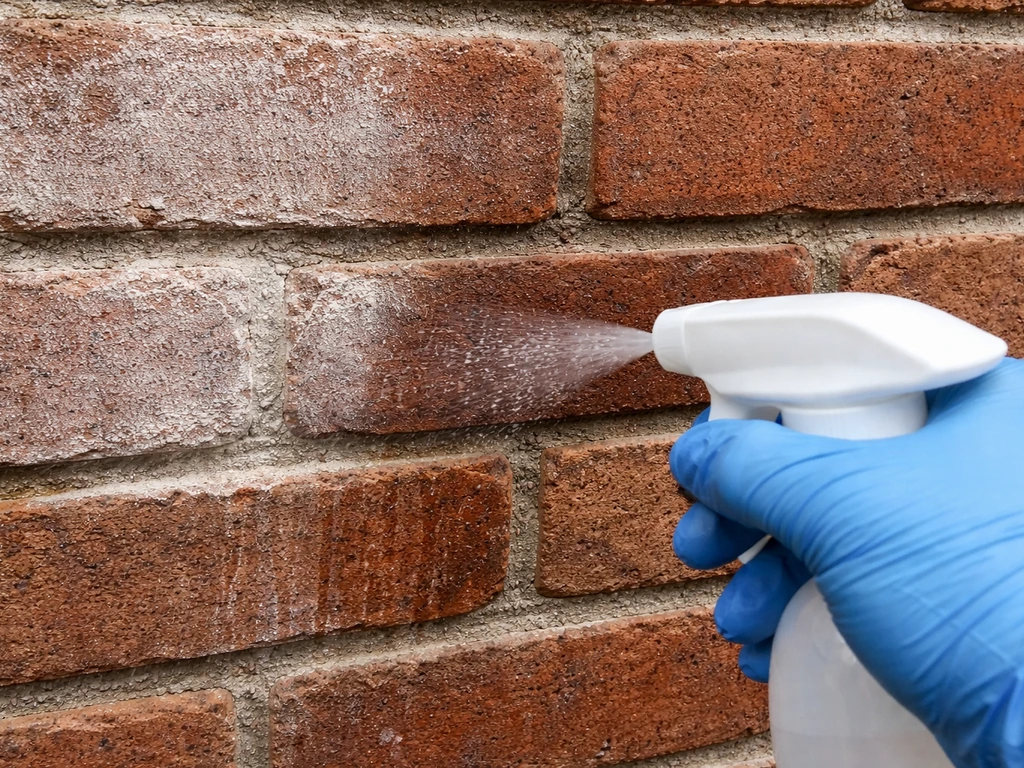
This is almost always one of two things: alkaline stripper residue that wasn't fully neutralized, or efflorescence (mineral salt deposits drawn out by moisture). For alkaline residue, go back and apply the neutralizer properly with pH testing. For efflorescence, use a commercial efflorescence remover or a dilute white vinegar solution and a stiff brush. Both issues look similar but respond to different treatments, so test a small area with vinegar first. If the haze dissolves with vinegar, it's efflorescence. If it doesn't shift, you're dealing with chemical residue and need the neutralizer.
Safety reminders and final precautions
Always work with ventilation, keep kids and pets clear of the work area until the surface is fully rinsed and dry, and dispose of chemical waste according to your local guidelines. Don't pour large volumes of paint stripper or solvent down drains or onto soil. Check the product label for disposal instructions. If you're working on a historically listed property or older decorative brick, consult a masonry professional before using heavy-duty strippers because some historic brick is much softer and more porous than modern brick and can be permanently damaged by strong chemicals or any pressure washing.
FAQ
How do I know if the brick is sealed before I start removing paint?
Look for a water-bead or darkening test. Sprinkle a few drops of water on the brick surface, if the water beads up and stays glossy, it is likely sealed. If it soaks in and the area darkens, it is probably unsealed. Sealed brick needs gentler chemistry and careful rinsing, and you may need to reseal after paint removal.
What should I use to protect nearby landscaping and grass if I have to use a masonry paint stripper?
Cover plants with overlapping plastic sheeting and tape the edges so runoff cannot wick under. Also wet the ground lightly around the work zone before you start, so accidental stripper drips dilute rather than soak deep. Don’t rely on a single tarp if runoff can flow uphill or toward flower beds.
Can I remove paint from brick patio with a scraper and skip chemicals entirely?
You can for fresh overspray or thin drips, but painted brick is porous, so paint often soaks into texture. If you still see paint after your first mechanical pass and rinses, expect that you will need a masonry-safe chemical stripper for bonded layers. A common mistake is repeatedly scrubbing without letting chemicals dwell.
What PSI should I use if I do decide to use a pressure washer?
Keep it under 800 psi for brick, and start much lower if you can (around 100 to 500 psi). Use a wide fan tip, keep the nozzle moving, and avoid concentrating the stream in mortar joints. If you see mortar loosening or sandy loss, stop and switch to manual scrubbing.
Is sodium hydroxide (lye) or methylene chloride paint stripper ever safer to use on brick than alkaline, non-caustic options?
Not necessarily, the safer choice is the one labeled for masonry and the one you can apply correctly with the required PPE. Lye-based and solvent-based strippers both demand strict skin protection, ventilation, and correct neutralization or cleanup. If you are minimizing harsh chemicals, choose a masonry product that matches the paint type and still follow neutralizer instructions.
What PPE is actually non-negotiable for removing paint with stripper on brick?
At minimum, wear chemical-resistant gloves, eye protection, and a respirator appropriate for the product fumes. Some labels require specific cartridge types, so follow the label. Also wear long sleeves and closed footwear, and avoid handling plastic covers with bare hands after application.
How long should I leave stripper on the brick, and what if it dries out?
Use the label dwell time, then remove according to the instructions. If the stripper dries or skins over, it loses effectiveness, re-wet the area, reapply, and cover with plastic to hold moisture. A common failure point is rushing dwell time and then assuming the product does not work.
Do multiple layers of paint always require multiple applications?
Often yes, especially if the paint has built up over years. Plan on repeating the cycle: apply, allow full dwell, remove what comes off, rinse, then reassess. If after two full cycles the paint is barely changing, the paint chemistry may not match the stripper, so switch to a compatible product type.
What if I get a white haze or residue after stripping and rinsing?
Two common causes are alkaline residue and efflorescence (salt deposits). Test a small spot with vinegar first, if the haze dissolves or lightens, it is likely efflorescence. If it does not change, you likely need to apply and rinse the neutralizer correctly, then recheck with pH testing if the product supports it.
How do I do a pH check to confirm the brick is neutral after stripping?
Use pH test strips matched to the expected range and follow the product guidance for rinsing and neutralizing. Test after you’ve rinsed thoroughly and the surface is not dripping. If the pH remains too high, apply neutralizer again and rinse until the reading stabilizes. This helps prevent future sealant failure or discoloration.
Can I scrape paint out of mortar joints, or is that likely to ruin the patio?
Mortar is softer and more vulnerable than the brick face. Light wire brushing can help in stubborn joint staining, but only with extreme care and minimal pressure. If mortar is already crumbling, skip aggressive brushing and use a stripper cycle plus controlled manual cleaning.
What’s the best way to clean up after stripping if I don’t have much time?
After removing paint and rinsing, do a targeted spot cleanup rather than a full blast rinse. Use manual scrubbing with warm soapy water or a diluted compatible neutralizing solution, then rinse with a gentle garden hose. This reduces the chance of driving residue deeper or loosening mortar like a quick pressure wash might.
How should I dispose of leftover paint stripper and wastewater safely?
Do not dump large volumes onto soil or down storm drains. Collect waste in a way allowed by the product label and local regulations, and follow the instructions for hazardous waste or container disposal. When possible, manage runoff by using containment (tarps, absorbent pads) so contaminated liquid does not spread beyond the patio.
Will removing paint require resealing the brick patio afterward?
Often yes, especially if the brick was sealed initially or you used chemicals that can leave the surface temporarily more absorbent. Before resealing, ensure the brick is fully dry and confirm the surface is properly neutral, and do a small test patch first. If you reseal too early, trapped residue can cause peeling or blotchy sheen.
Should I hire a pro if the patio is old or historically listed?
Consider it if the brick is very soft, the mortar is fragile, or the property is historically protected. Old decorative brick can be more porous and permanently damaged by strong chemicals or pressure. A masonry professional can test paint and brick compatibility, and they can recommend a restoration-safe approach.
Next Articles
How to Get Paint Off Patio Slabs: Step by Step
Step-by-step methods to remove paint from patio slabs safely, choosing by material and fresh or dried paint.
How to Get Fence Paint Off Patio Slabs Safely
Step-by-step fence paint removal from patio slabs, from gentle scraping and vinegar to safe solvents and pressure wash.
How to Remove Paint From a Patio: Step-by-Step Guide
Step-by-step guide to remove patio paint from concrete, brick, stone, pavers, travertine, flagstone, or wood safely.