
Concrete dust on a patio comes off cleanly if you handle it in the right order: vacuum or wet-wipe the loose dust first, then rinse, then tackle any stubborn cement haze with the right cleaner for your surface. Skip a step or go straight to scrubbing dry powder and you'll either grind the silica deeper into the surface or kick it back into the air. This guide walks you through the whole sequence, from figuring out what you're actually dealing with to the final rinse and dry.
How to Get Rid of Concrete Dust on a Patio Safely
Dylan Hale
29 Apr 2026
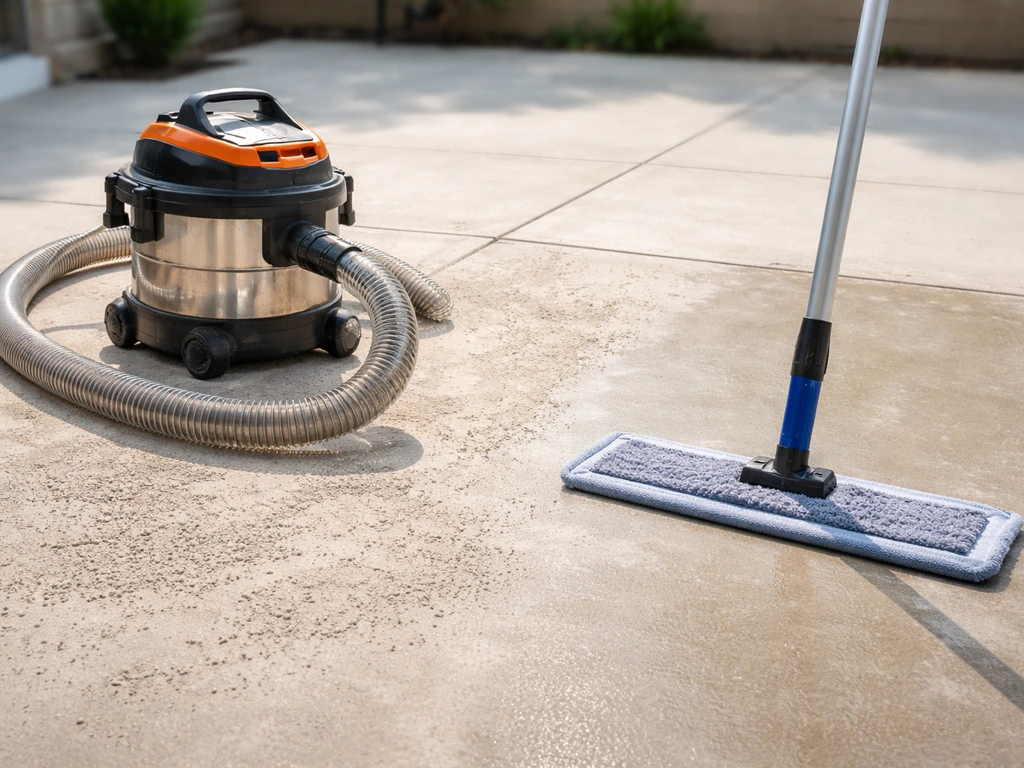
Figure out what kind of concrete dust you're dealing with
Not all "concrete dust" is the same thing, and the cleanup approach depends on which type you have sitting on your patio right now.
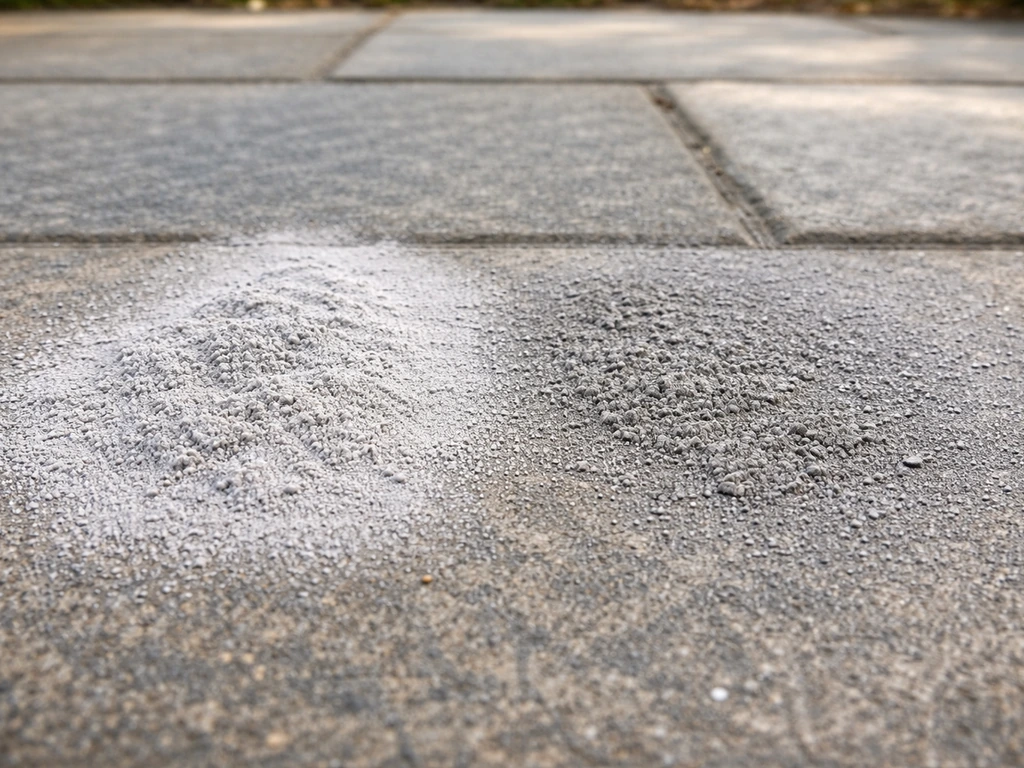
- Fine airborne silica dust: This is the chalky, gray powder that settles after cutting, grinding, jackhammering, or chiseling concrete. It's the most hazardous type because the particles are small enough to inhale. It looks like a thin film of gray talcum powder across the patio surface.
- Cement residue or haze: This is what happens when concrete dust mixes with water (from rain, rinsing, or wet cutting) and then dries. It leaves a milky, dull gray film that's bonded lightly to the surface. It doesn't brush off with a broom.
- Efflorescence: A white, chalky salt crust that appears when water moves through cement products and deposits minerals on the surface. It looks like white streaks or a powdery white coating, not gray. This is also common after fresh concrete work.
- Grinding or polishing residue: A slurry-like gray film left after mechanical work. Once dry, it behaves like cement haze.
If the dust is still dry and loose, you're in the easiest scenario. If it's already turned into a dull gray or white film, you're dealing with cement haze or efflorescence, and you'll need a chemical step. Both are covered below.
Safety first: gear up and keep dust from spreading
Concrete dust contains respirable crystalline silica, and that's genuinely not something to brush off (pun intended). OSHA and NIOSH are very clear that dry sweeping silica dust is one of the worst things you can do because it puts those fine particles right back into your breathing zone. OSHA’s silica FAQs also state that under the standard, dry sweeping or dry brushing is prohibited unless wet sweeping and HEPA-filtered vacuuming (or other exposure-minimizing methods) are not feasible dry sweeping silica dust is prohibited unless wet sweeping and HEPA vacuuming are not feasible. Before you touch anything, sort out the following.
Personal protection
- Wear an N95 respirator at minimum. If you have a P100 respirator (a step up in filtration), even better, especially if you're dealing with a large area or freshly ground concrete.
- Put on safety glasses or goggles. Fine silica is irritating to eyes.
- Wear gloves, particularly if you'll be mixing or applying any chemical cleaner later.
- Work in good airflow, but don't point a fan at the dusty surface before you've contained the loose powder.
Protecting your space
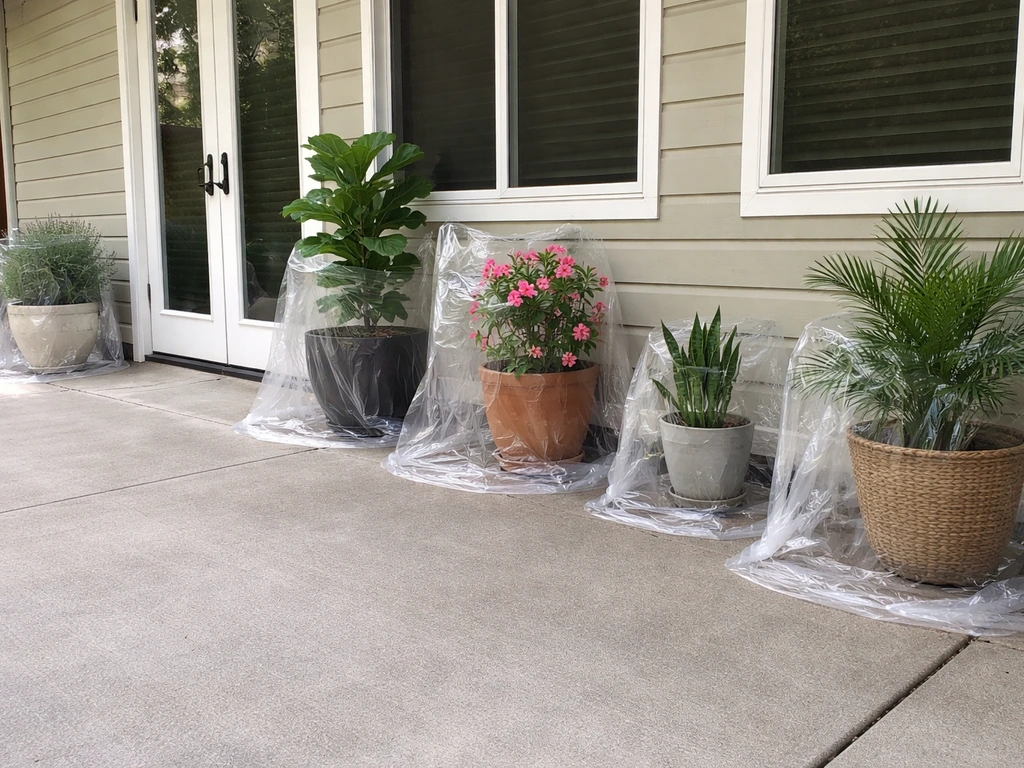
- Move or cover nearby plants before you start. Concrete dust can raise the soil pH and damage plants, and acidic cleaners used later can do the same.
- Close windows and doors facing the patio so dust doesn't drift inside.
- Dampen the surrounding area lightly (not the dusty surface itself yet) to keep airborne particles from traveling.
- Move patio furniture, cushions, and any decorative items well away from the work zone.
- If runoff will flow toward a lawn or garden bed, lay down a tarp at the perimeter to catch any chemical wash.
Dry removal: how to vacuum and wipe without making things worse
The single biggest mistake people make here is reaching for a broom. Sweeping dry concrete dust just sends it airborne and spreads it wider. The right approach is to vacuum first, then wipe.
Vacuuming the loose dust
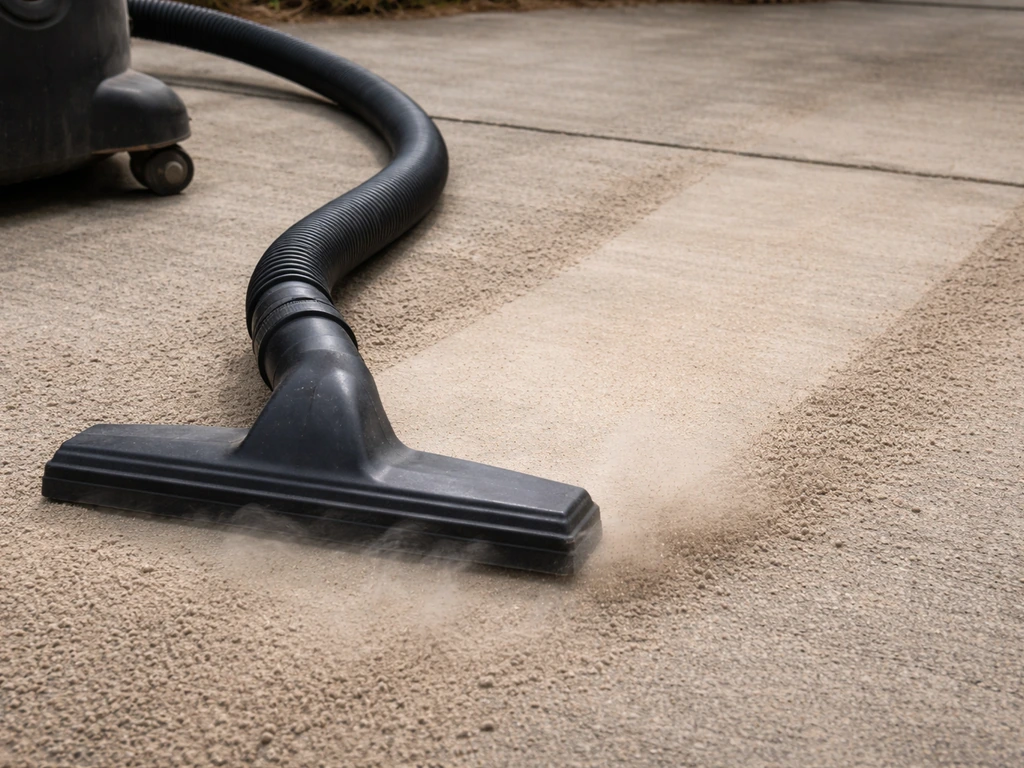
A HEPA-filtered shop vacuum is the best tool for this. Run the vacuum slowly across the patio surface, overlapping passes so you don't miss any area. The HEPA filter is important because it prevents fine silica particles from being exhausted back out through the vacuum. If you only have a standard shop-vac without HEPA filtration, it will still remove most of the bulk dust, but keep your respirator on and work slowly. Change or clean the filter before it clogs, since a clogged filter pushes dust right back out.
If you don't have a shop-vac at all, the next best option is lightly misting the dusty area with water from a spray bottle (just enough to dampen the top layer of dust without creating runoff), then collecting the damp paste with a wide floor squeegee into a dustpan. This wet suppression approach is exactly what OSHA recommends for minimizing silica exposure when vacuuming isn't available.
The wet wipe-down
After vacuuming, do a damp mop or wipe pass with a mop head or old towels that are wet but not dripping. This picks up the fine residual powder that the vacuum left behind. Rinse the mop or towels frequently so you're not just redistributing dust. Don't scrub hard at this stage; you're just picking up loose material before the real cleaning starts.
Deep-cleaning cement haze: detergent vs. vinegar vs. acid
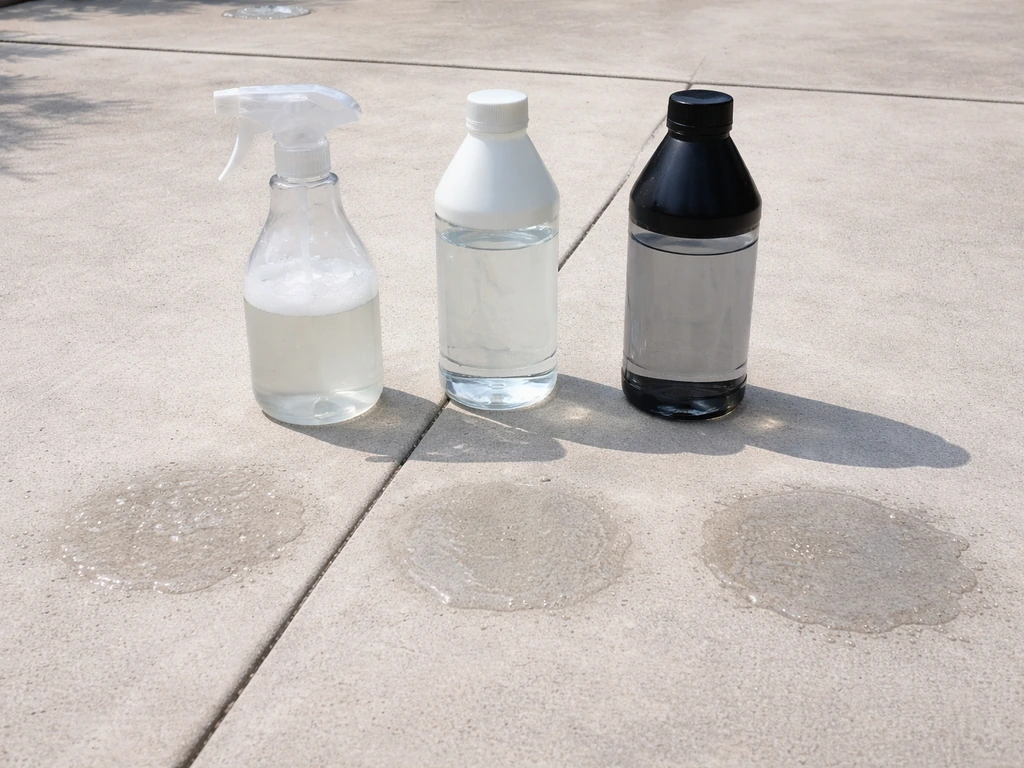
Once the loose dust is gone, assess what's left. If the surface looks clean after the vacuum and wipe-down, you may just need a thorough rinse and you're done. When the dust is already set in as cement haze, follow the same overall sequence, but you may need the specific steps in how to treat concrete patio for the chemical film removal part. If there's a dull gray or white film still on the surface, that's cement haze or efflorescence and it needs a chemical cleaner to break down the alkaline calcium deposits. Here are your options, from gentlest to strongest.
| Method | Best for | Dwell time | Risks | Suitable materials |
|---|---|---|---|---|
| Dish soap + warm water | Fresh dust, light residue, general grime | 5 to 10 min | Almost none | All patio surfaces |
| White vinegar (undiluted or 1:1 with water) | Mild cement haze, efflorescence, light mineral deposits | 10 to 15 min | Low; avoid on polished marble and travertine | Concrete, brick, most pavers, flagstone |
| Dedicated cement film remover (e.g., acidic tile/masonry cleaner) | Moderate to heavy cement haze, efflorescence | Per product label, usually 5 to 15 min | Moderate; pre-wet surface, rinse thoroughly, neutralize | Concrete, brick, pavers, acid-resistant stone |
| Muriatic acid (diluted 1:10 with water) | Stubborn, set-in cement haze on concrete or brick | 5 min max | High; etches sensitive stone, damages travertine and marble, generates fumes | Concrete, brick, non-sensitive pavers only |
Dish soap and warm water
Start here if the dust was recent and the film is light. Mix a few squirts of dish soap into a bucket of warm water, apply with a stiff-bristle brush or deck brush, scrub in sections, and rinse well. This works surprisingly well on fresh dust that hasn't fully bonded. It's also the right starting point before moving to anything stronger, because adding a degreaser-style cleaner first can sometimes loosen the top layer of haze and reduce the amount of acid you need later.
White vinegar
White vinegar is a mild acid (acetic acid, around pH 2.5) that dissolves calcium-based deposits without being aggressive. I've found it works well on light to moderate cement haze on concrete slabs, clay brick, and most natural stone pavers. Apply undiluted or mixed 1:1 with water, let it sit for 10 to 15 minutes, scrub with a stiff brush, and rinse thoroughly. It takes longer than acid cleaners and may need a second pass on heavier deposits, but it's a safer choice if you have pets or plants nearby, or if you're not sure what type of stone your patio is made from.
Dedicated cement film removers
Products like Laticrete STONETECH Restore Acidic Cleaner or HMK R183 are formulated specifically for cement haze and efflorescence on tile, masonry, and stone. They're stronger than vinegar but more controlled than raw muriatic acid, and they come with dilution guidance (STONETECH's light-duty dilution, for example, is 1 part cleaner to 16 parts warm water). These are a good middle ground if vinegar isn't cutting it but you're nervous about using muriatic acid.
After using any of these products, follow with a neutralizing rinse: mix baking soda or soda ash into water (about 1 tablespoon per gallon) and rinse the whole area with it before the final clean-water rinse. Some products like HMK specify their own neutralizing cleaner diluted at 1:20 with water.
Muriatic acid: when it's appropriate and when it isn't
Muriatic acid (hydrochloric acid) is the heavy artillery for set-in cement haze on concrete or brick that won't respond to anything else. Dilute it at roughly 1 part acid to 10 parts water, always add acid to water (never the other way), apply to a pre-wetted surface, let it sit no more than 5 minutes, scrub, and rinse aggressively.
After rinsing, neutralize the surface with a baking soda or soda ash solution and check the pH of your final rinse water with pH paper; you're looking for a neutral reading around 7 before you stop. Wear acid-rated gloves, eye protection, and your respirator, and work in open air. [Do not use muriatic acid on travertine, marble, polished limestone, or any sensitive natural stone. ](https://www.
reddit. com/r/pressurewashing/comments/1rvz14v/customersaystilesarechaulkyaftersoft_wash/) It will etch the surface permanently.
Material-specific guidance: what works where
Patio surfaces are not interchangeable when it comes to acidic cleaners. Here's what I'd recommend for each common material.
Poured concrete
Concrete is the most forgiving surface for acid-based cleaners. Vinegar, dedicated cement removers, and diluted muriatic acid are all appropriate, depending on how bad the haze is. Start with vinegar or detergent, step up to a cement film remover if needed, and only bring in muriatic acid if you have a genuinely stubborn, thick deposit. Always pre-wet the slab before applying any acid so the cleaner stays at the surface rather than absorbing into the concrete. Rinse and neutralize thoroughly.
Brick
Brick handles mild acids reasonably well, but it's porous and will absorb cleaners quickly. Pre-wet thoroughly before applying any acidic product, work in small sections, and rinse before the cleaner dries. Diluted muriatic acid is commonly used for brick cement haze removal, but keep the contact time short (under 5 minutes) and rinse heavily. Avoid getting acid into mortar joints repeatedly; it will degrade them over time.
Pavers (concrete and clay)
Concrete pavers can handle the same treatment as poured concrete. Clay or brick pavers follow the brick guidance above. The bigger concern with pavers is the jointing sand or polymeric sand between them: strong acids can wash out or destabilize the sand. Keep your cleaner on the paver face, rinse carefully, and avoid blasting into joints at high pressure.
Natural stone and flagstone
Many natural stones (granite, slate, most sandstones) can tolerate diluted vinegar or a dedicated acidic stone cleaner. However, the key is knowing whether your stone is acid-sensitive. When in doubt, test in a hidden corner before applying anything acidic to the full surface. If the stone is unknown, start with plain warm water and dish soap and see how far that gets you.
Travertine and marble
Travertine and marble are calcium carbonate-based stones, which means acids attack the stone itself, not just the cement haze on top. Even vinegar can etch a polished travertine or marble surface with prolonged contact. For these materials, stick entirely to pH-neutral stone cleaners and plain warm water. Scrub with a soft brush, rinse well, and wipe dry. If the haze is severe and a neutral cleaner can't shift it, consult a stone restoration professional rather than experimenting with acids. Kaercher's guidance for acid-sensitive stones like travertine specifically calls for pre-wetting and heavy rinsing if any acidic cleaner is used, but honestly, I'd avoid it altogether on polished travertine.
Pressure washing vs. manual scrubbing
Both methods work, and the right choice depends on what you have available and how bad the contamination is.
Manual scrubbing (no pressure washer)
A stiff-bristle deck brush, a bucket of your chosen cleaning solution, and elbow grease will handle most concrete dust situations. Work in 3 to 4 square foot sections so the cleaner doesn't dry before you can rinse. Scrub with moderate pressure, rinse each section before moving to the next, and do a final full-surface rinse at the end. This method gives you more control over where the cleaning solution goes, which is especially useful if you're protecting jointing sand or nearby plants.
Pressure washing
A pressure washer speeds things up significantly, but there are a few rules to follow to avoid making new problems. Set the pressure to around 1,500 PSI for pavers and most surfaces; higher settings risk damaging the surface or blasting joint sand out. Keep the wand at a 45-degree angle and about 12 inches from the surface. Use a fan-tip nozzle (25 or 40 degree) rather than a zero-degree or turbo nozzle on sensitive materials. Avoid pointing directly at mortar joints or grout lines. Pre-apply your cleaning solution and let it dwell before pressure washing to avoid needing multiple high-pressure passes.
One thing I want to flag: do not try to pressure wash dry concrete dust off the surface without wetting it first. You'll just blast it into the air (and into your joints, your plants, and your lungs). Vacuum or wet-wipe first, then pressure wash as the rinsing and cleaning step.
Finish right: rinse, neutralize, dry, and prevent it next time
Thorough rinsing and drying
After any cleaning step, rinse the entire patio surface with clean water. Then rinse again. Residual cleaner left to dry is a common cause of new streaking or haze. If you used any acidic cleaner (vinegar, cement remover, or muriatic acid), follow the rinse with a neutralizing solution of baking soda or soda ash in water (1 tablespoon per gallon of water), apply it across the whole surface, let it sit for 2 to 3 minutes, and rinse off with clean water. Check the pH of your final rinse runoff with pH paper if you used muriatic acid; you want the reading to be around 7 before you call it done.
Let the patio air dry fully before putting furniture back. If you want a cleaner finish, wipe down with clean dry towels or a squeegee to remove standing water, which can leave mineral marks as it evaporates. Laticrete's own guidance for stone and masonry care specifically recommends rinsing well and wiping dry after any cleaning step, and that's good practice on any patio material. For longer-lasting results, follow a simple patio maintenance routine so future haze and dust are easier to remove how to maintain patio.
What to do if a gray film is already set in
If concrete dust has been sitting on your patio for days or weeks and has turned into a uniform dull gray or chalky white film, you're past the point of a simple rinse. That film is cement haze or efflorescence that has cured onto the surface. Go straight to the dedicated cement film remover or diluted vinegar step, give it proper dwell time, and scrub with a stiff brush before rinsing. For really stubborn set-in haze on concrete or brick, a second application or stepping up to diluted muriatic acid (on appropriate surfaces only) is the practical answer.
Preventing the problem next time
If concrete work is happening on or near your patio, a little prep goes a long way. Cover the patio surface with plastic sheeting or old tarps before cutting or grinding starts. Cover nearby plants and garden beds too. Ask whoever is doing the work to use wet cutting methods or a shrouded grinder with vacuum collection where possible; this dramatically reduces how much dust settles on surrounding surfaces in the first place. When the work is done, vacuum up the loose dust immediately before it rains or before foot traffic grinds it into the surface. Cleaning fresh dust takes about a quarter of the effort of cleaning set-in haze.
Once your patio is clean, it's worth thinking about ongoing protection. Sealing a concrete patio creates a barrier that makes future dust and stains much easier to clean up, since the pore structure of unsealed concrete is what lets cement haze bond so stubbornly. Proper concrete patio maintenance and protection go hand in hand with easier cleanup after any future work nearby.
FAQ
Can I use a regular vacuum or will it spread the silica dust?
A standard vacuum may remove bulk dust but it can exhaust fine silica back into the air, especially if it lacks true HEPA filtration. If you do not have a HEPA-filtered shop vac, wear a properly fitted respirator (use the same type you would for silica work), vacuum slowly, and avoid dry brushing afterward. Also check and clean or replace the vacuum filter during the job to prevent clogging and back-blowing.
What if the patio is already wet from rain, can I skip the vacuum or wet-wipe step?
If the concrete dust is loose but rain has already dampened it, do not scrub dry. Start with a thorough vacuum, or collect the slurry with a squeegee, then rinse. The key is to remove the loose material first so you are not grinding it deeper while scrubbing or pressure washing.
How do I tell whether I have cement haze versus efflorescence before using cleaner?
Cement haze is usually a dull gray or film-like residue spread over the surface that feels like a coating. Efflorescence tends to look like a white, powdery deposit that may wipe off lightly and can appear in patches, especially on masonry with moisture movement. If wiping off is easy, start with dust removal and light cleaning. If it behaves like a bonded film that stays after rinsing, use the cement haze approach with an appropriate acidic product.
Is dish soap always safe for every patio material?
Dish soap is generally a safe first step on many surfaces, but it can still affect some finishes if you use it with aggressive scrubbing or leave residue behind. Use warm water, small sections, and rinse thoroughly. If your patio has coated or sealed surfaces, avoid long scrubbing with stiff brushes and consider a test spot first.
Can I mix vinegar or acids with bleach or other cleaners?
Do not mix acids (vinegar, cement removers, muriatic acid) with bleach or any chlorine-based products. Acid plus bleach can create hazardous gases. If you are switching products, rinse the entire area thoroughly, let it stop reacting, and then move on. When in doubt, stick to one chemistry at a time.
How long can I let vinegar or cement cleaner dwell before it hurts the surface?
Do not exceed the dwell time recommended for your product, because longer contact increases the chance of etching or discoloration. For vinegar, the article’s approach uses short dwell (10 to 15 minutes) and then scrubbing. If the film is not improving, it is safer to repeat with correct dwell rather than leaving acid on for much longer.
When pressure washing, why does the haze sometimes come back or look worse?
Common causes are blasting dry dust (without pre-wetting), not rinsing enough after cleaning, or leaving residual cleaner that dries into a new film. Use the two-rinse habit after any cleaner step, and pre-wet before pressure washing. If haze returns, it often means you need a targeted cement haze remover, not more plain water pressure.
What PSI or tip should I use if I am cleaning sealed concrete versus unsealed concrete?
For most patio work, start around 1,500 PSI and use a fan tip (25 or 40 degree) rather than a narrow zero-degree nozzle. Sealed concrete often tolerates cleaning better, but the risk shifts to damaging the coating edge or forcing water under pavers. If you notice discoloration or surface dulling, drop pressure, increase distance, and switch to brush-and-rinse for control.
Will acidic cleaners damage the joints between pavers?
Yes. Strong acids can wash out or destabilize jointing sand or polymeric sand if they get into the joints. Keep the cleaner on the paver faces, avoid high-pressure blasting toward grout lines and joints, and rinse carefully. Afterward, inspect joints and re-level or re-sand if you see erosion.
How do I protect plants and pets during cleanup, especially when using muriatic acid?
Pre-wet nearby plants to reduce uptake, cover garden beds when possible, and rinse runoff immediately after neutralizing. With muriatic acid, use open-air work, acid-rated gloves, eye protection, and a respirator, and keep animals away until the final rinse is complete and the area is fully dried.
Do I need to neutralize if I used vinegar or only a dedicated cement haze remover?
Neutralization is most critical when you use muriatic acid, because the article emphasizes checking final rinse pH around 7. For vinegar and some dedicated removers, a neutralizing rinse can still help prevent lingering residue and streaking, especially if you notice any new haze after drying. If the product label includes a neutralization step, follow it.
Can I clean concrete dust from a patio if the haze is very old, like weeks or months?
Yes, but you usually need to move beyond rinsing. When dust has cured into a uniform gray or chalky white film, treat it as cement haze or efflorescence and use a dedicated cement film remover or the vinegar step with correct dwell time and stiff-brush scrubbing. For the most stubborn cases on concrete or brick, a second application or an appropriate diluted muriatic acid step may be the practical option (on compatible stones only).
How can I avoid leaving mineral spots after I am done?
Drying-related spots often come from leftover cleaner or mineral-laden runoff. After the final clean-water rinse, wipe up standing water with clean towels or a squeegee and then let the patio fully air dry. If you see streaks, it usually indicates residual cleaner, so do another rinse before the surface dries completely.
Should I seal the patio after I clean the dust and haze?
Sealing can reduce how stubborn future haze and stains become by limiting how cement bonds into the pore structure. Wait until the surface is fully dry and cured after cleaning, then choose a sealer intended for your patio material. If you are still getting efflorescence related to moisture, sealing too early can trap moisture, so address the moisture source first.
Next Articles
How to Remove Thompson’s Patio Sealer Step by Step
Step-by-step removal of Thompson’s patio sealer on concrete, brick, pavers, and stone, with safety, tests, and cleanup.
Can You Remove Patio Sealer? How to Strip It Safely
Learn if you can remove patio sealer and how to strip it safely by type, material, and method.
How to Remove Resin From Patio Safely by Surface Type
Step by step guide to remove resin from patio by surface type with safe scraping, softening and solvent methods.