Yes, you can remove patio sealer, but whether you actually need to depends on what type of sealer is on your patio. Film-forming (topical) sealers, the kind that sit on top of the surface and can peel or flake, almost always need to be fully stripped before you recoat. Penetrating sealers, the kind that soak into the stone or concrete, rarely need removal at all. You can usually apply a compatible fresh coat right over them. So before you grab a stripper or a pressure washer, knowing which type you have will save you a lot of work.
Can You Remove Patio Sealer? How to Strip It Safely
Dylan Hale
29 Apr 2026
When you actually need to remove sealer (and when you don't)
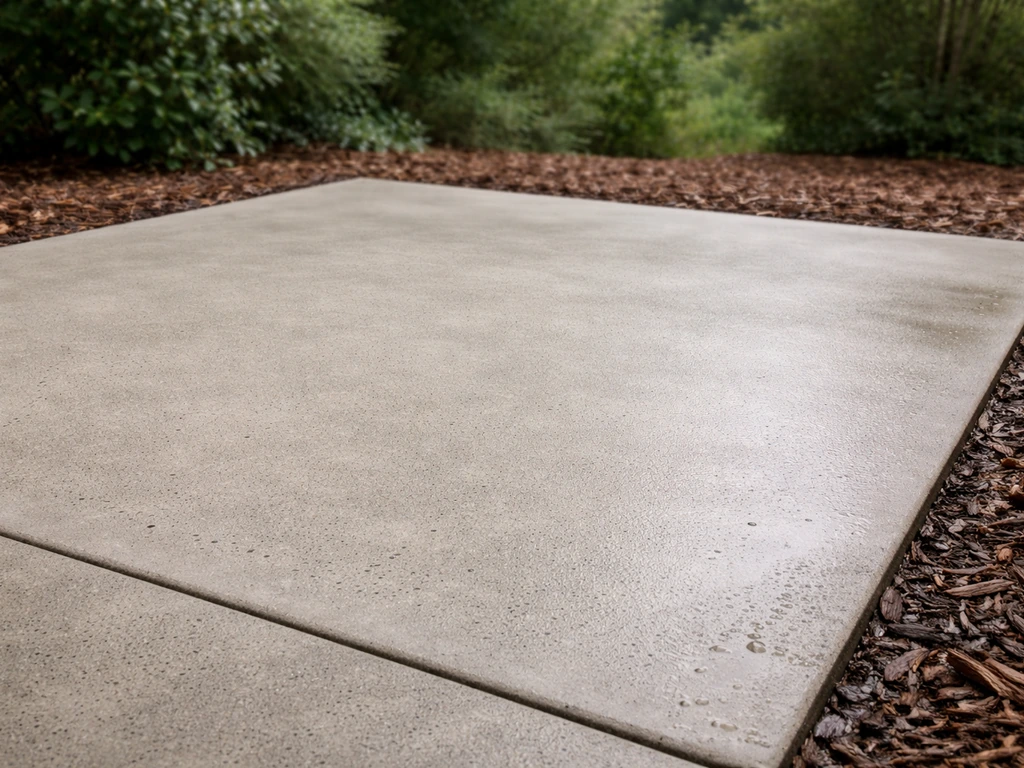
The main reason people strip patio sealer is because the existing coat is failing visibly: it's peeling, turning white or milky, flaking at the edges, or trapping moisture underneath. A film-forming sealer in that condition can't just be painted over. If you add a new coat on top of a failing film, you're sealing in the damage and the new coat will fail faster too.
On the other hand, if your sealer is just old and faded but still bonded to the surface, recoating may be all you need. And if you have a penetrating sealer, it doesn't form a surface film that can peel, so there's usually nothing to strip. You'd only need to revisit a penetrating sealer if you want to switch to a different sealer chemistry or if the surface has heavy staining that needs to be addressed first.
- Strip it: film-forming sealer that is peeling, flaking, bubbling, or trapping moisture
- Strip it: existing sealer is incompatible with the new product you want to apply
- Strip it: heavy discoloration or residue locked under the surface coat
- Recoat without stripping: penetrating sealer that is still intact but just worn down
- Recoat without stripping: film-forming sealer that is faded but still fully bonded with no lifting
Figure out what kind of sealer you have first
This step matters because the wrong removal method can damage your patio surface or simply not work. There are two main families: film-forming (topical/membrane) sealers and penetrating sealers. Film-formers include acrylics, epoxies, polyurethanes, and wet-look coatings. SureStrip is designed to remove acrylics, acrylic latex, polyurethane, and other resin coatings or sealers, including film-forming sealers acrylics, epoxies, polyurethanes. They sit on top of the surface and you can often see a sheen. Penetrating sealers, like silane, siloxane, or siliconate-based products, absorb into the material and leave little to no visible surface film.
If you have an acrylic sealer and aren't sure whether it's water-based or solvent-based, do a simple xylene test. Put a small amount of xylene on a rag and rub it on an inconspicuous spot. If the sealer softens and picks up on the rag, it's solvent-based. If it doesn't budge, it's water-based. This matters because solvent-based strippers and solvents will work better on solvent-based acrylics, while alkaline water-based strippers are often more effective on water-based acrylics. If you sealed the patio yourself, check the original product label for chemistry type.
Mechanical stripping and pressure washing
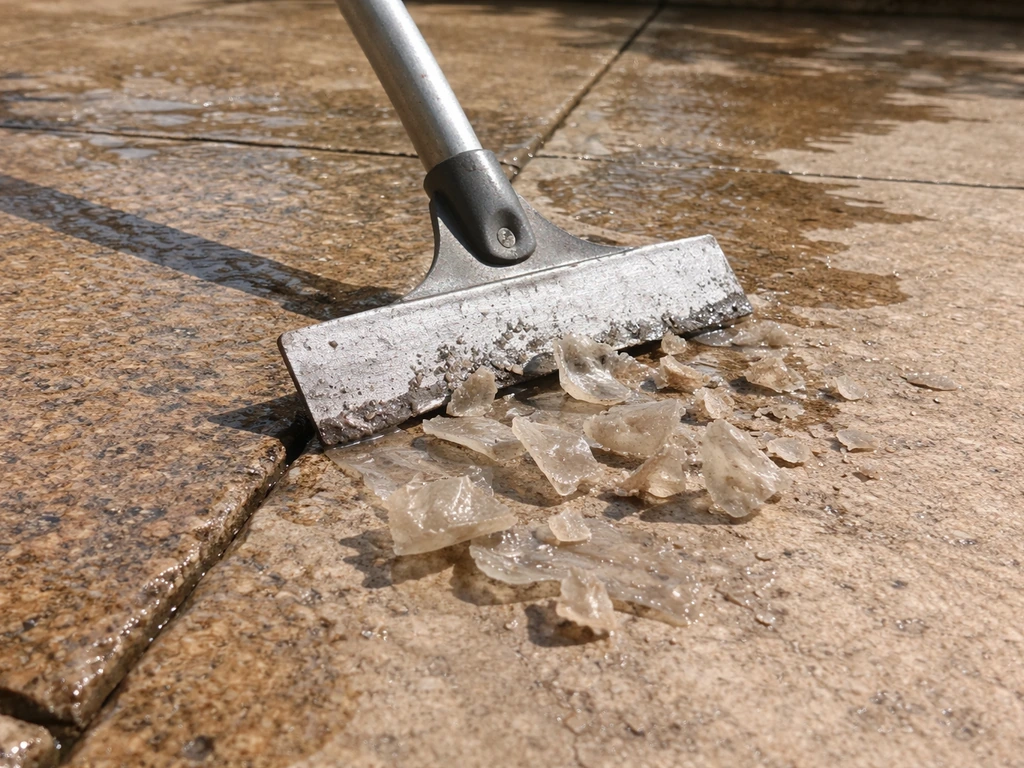
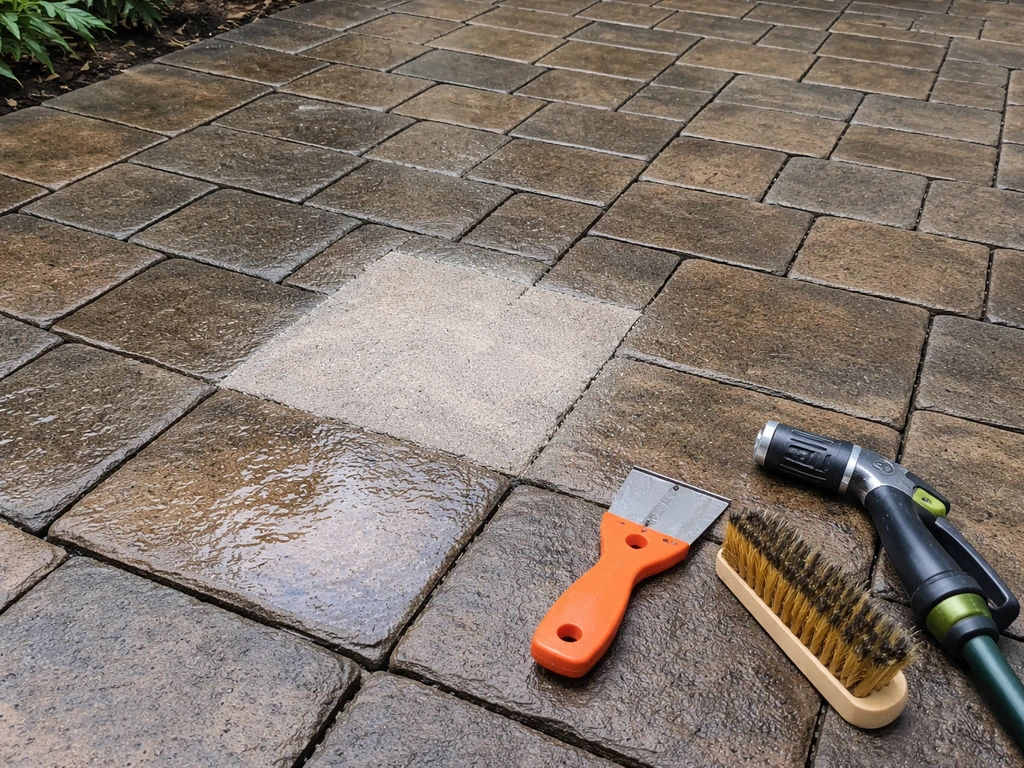
Mechanical methods are useful for getting a head start or for dealing with sealer that has already lifted and is partially loose. A floor scraper or stiff plastic scraper can lift peeling sections, especially on flat concrete or paver surfaces. For joints, low spots, and expansion gaps, you may need a detail scraper or even a wire brush, because sealer residue tends to pool and harden in those recesses. Don't assume surface-level stripping is enough if you have textured stone or pavers with deep joints.
Pressure washing alone can remove some lighter or older topical sealers, but I wouldn't rely on it as your only method for a well-bonded coat. For concrete, use around 2,500 to 3,000 PSI with a 25-degree (green) nozzle and keep the wand moving at a consistent distance, roughly 6 to 12 inches from the surface. Never use a 0-degree (red) nozzle on patio surfaces. That narrow stream concentrates all the force on one spot and will etch concrete, pit brick, and damage softer stones like travertine instantly. For flagstone or travertine, drop to 1,200 to 1,500 PSI and use a 40-degree nozzle. Pressure washing is most effective after a chemical stripper has already softened the coating.
Chemical stripping: strippers and solvents that actually work
Dedicated sealer strippers are the most reliable option for full removal of a film-forming sealer. [SureStrip FAST ACTING SEALER STRIPPER](https://www. techo-bloc. com/assets/f6/05/f6051a0f-5f1a-417e-8b0b-ea8a810ed5f2/SureStrip-TDS-12.
23. pdf) is a stripper formulated to remove acrylics, acrylic latex, polyurethane, and other resin coatings and sealers, matching the film-forming resin-type coatings discussed above. Products like Gator Sealer Stripper, SRW SS Sealer Stripper, and SureCrete EnviroStrip are formulated to break down resin films without destroying the surface underneath. Alkaline (water-based) strippers work well on one-part waterborne acrylics and some urethane-acrylic systems, but they can leave an alkaline residue that needs to be neutralized before resealing.
Solvent-based strippers (those containing xylene, acetone, or similar) are stronger and work well on solvent-based acrylics and epoxies, but require better ventilation and more careful handling.
One honest note from experience: not every stripper works on every sealer. ConcreteDecor's guidance from Prosoco's technical team says testing six or seven different strippers on a small test area is not overkill. The chemistry of the old sealer matters, and a product that works great on an acrylic wet-look sealer may do almost nothing to a polyurethane coat. Buy small quantities to test before committing to treating the whole patio.
Bleach, muriatic acid, and vinegar: what belongs in this process
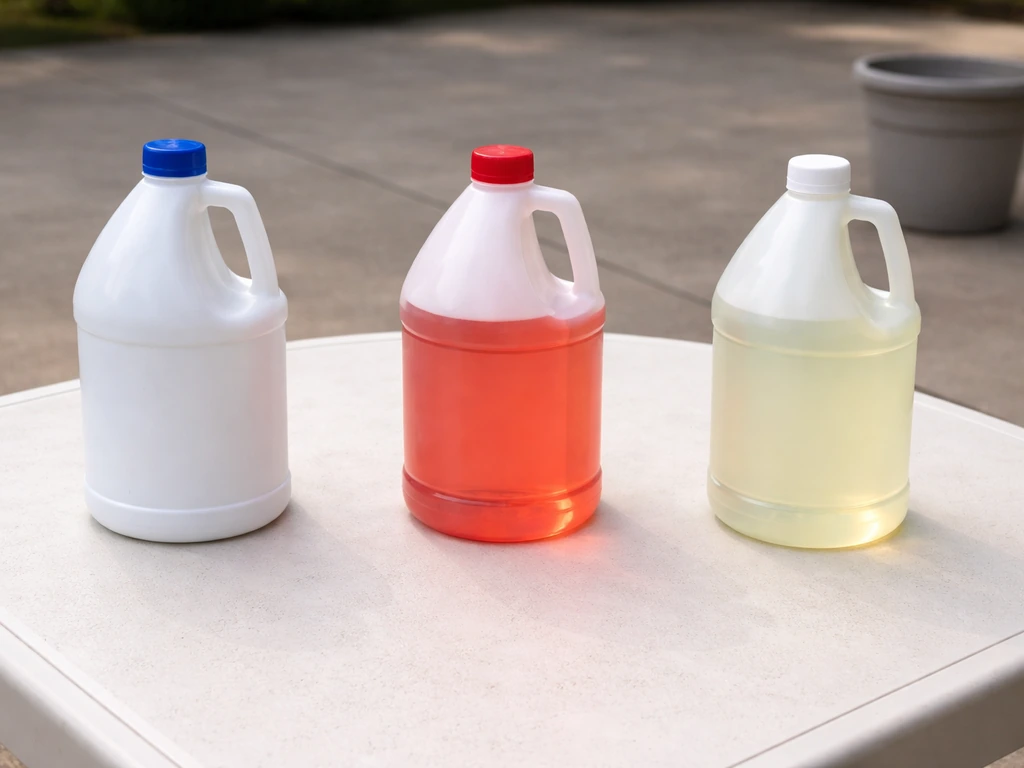
Here's where a lot of people go wrong. Bleach (sodium hypochlorite), muriatic acid, and vinegar are cleaning agents, not sealer strippers. They each have a legitimate role in patio maintenance, but none of them is designed to dissolve a bonded resin film.
| Product | What it's good for on a patio | Use for sealer removal? | Risk to surface |
|---|---|---|---|
| Bleach / sodium hypochlorite | Killing mold, mildew, algae, and organic growth on top of or around the sealer | No | Can discolor grout/brick and is harmful to nearby plants |
| Muriatic acid (diluted) | Etching concrete before sealing, removing efflorescence and mineral deposits | No | Will etch or pit stone; avoid on travertine, flagstone, marble |
| Vinegar (white, diluted) | Light cleaning, efflorescence on masonry, removing salts | No, too weak | Generally safe on most surfaces at low dilution |
| Dedicated sealer stripper | Breaking down and lifting film-forming sealer resins | Yes, this is the right tool | Varies by product; always test first |
If you have mold or algae growing on top of a failing sealer, use a diluted bleach solution (roughly 1 part bleach to 10 parts water) to clean the organic growth before you start stripping. That gives the stripper a clean surface to work on. But don't use bleach thinking it will strip the sealer. It won't. And avoid muriatic acid entirely on travertine, flagstone, natural stone, or brick, because it will etch those materials. Vinegar is a fine gentle cleaner for efflorescence or mineral deposits, but it's too weak to break down a bonded resin coat and using it for that purpose just wastes time.
Step-by-step removal workflow
This is the process I'd walk anyone through, whether you're stripping a small patio or a full driveway-adjacent slab. Work through each step and don't skip the test spot, even if you're confident about the product. If you’re working specifically with Thompsons patio sealer, follow the same workflow but use a compatible stripper chemistry so the coating fully lifts how to remove thompsons patio sealer.
- Protect the surroundings: Cover nearby plants, grass, and garden beds with plastic sheeting. Wet down any soil around the patio edges before you start. Chemical strippers can harm vegetation and stain adjacent surfaces. If you're near a drain, be aware of local disposal rules for chemical runoff.
- Prep the surface: Remove furniture, pots, and debris. If there's mold, algae, or heavy dirt on top of the sealer, clean it off first with a diluted bleach solution and rinse thoroughly. Let the surface dry before applying stripper.
- Do a test spot: Apply your chosen stripper to a small inconspicuous area, roughly a square foot, before treating the whole surface. SRW Products recommends letting the stripper soak for at least 10 minutes before testing the softened coating. For some products and older sealers, you may need to test dwell times of 15 minutes, 1 hour, and longer to find the right contact time. Check that the stripper is actually softening and lifting the sealer, not just sitting on top.
- Apply the stripper: Follow the product label for coverage rate and application method. Most strippers are brushed or rolled on in a generous, even coat. Don't spread it thin trying to cover more area. The stripper needs to stay wet and in contact with the sealer to work. Some products use a plastic film layer over the top to keep it from drying out too fast.
- Allow proper dwell time: Insufficient dwell time is the most common reason stripping fails. Most products need a minimum of 20 to 30 minutes; some require several hours for thick or well-bonded coats. The sealer should look softened, wrinkled, or have started to lift at the edges when it's ready.
- Agitate and scrub: Use a stiff-bristle brush or floor scrubber to work the softened sealer loose. On textured surfaces, spend extra time on low spots, joints, and grout lines because residue accumulates there. A plastic scraper works well for lifting loosened film off flat concrete or pavers.
- Rinse thoroughly: Remove the stripped sealer and stripper residue with a thorough rinse. This is where pressure washing at moderate PSI (2,000 to 2,500 for concrete, lower for stone) is genuinely useful. Make sure you flush out joints and textured areas.
- Neutralize if needed: Alkaline strippers leave a residue that can interfere with the new sealer's adhesion. Follow the manufacturer's directions for neutralization, which usually means scrubbing with a mild soap and water solution and rinsing with clean water. Solvent-based strippers typically don't need neutralization but do need thorough rinsing.
- Inspect and repeat if necessary: Check the surface carefully, especially in joints and low spots. If residue remains, reapply and repeat. Don't re-seal until the surface is fully clean and dry.
What to do if the sealer won't lift
If a stripper isn't working after multiple attempts, the sealer chemistry and the stripper chemistry may simply not be compatible. Try a different stripper product, as the resin type matters more than the brand name. If you genuinely can't identify the original sealer, test two or three products side by side in small test patches. For extremely stubborn epoxy or polyurethane coatings on concrete, grinding with a floor grinder and diamond pads is sometimes the only complete solution, but that's getting into professional territory for large areas. For a homeowner dealing with a smaller patio, repeated chemical stripping with the correct chemistry and proper dwell time is almost always sufficient.
Material-specific guidance
Concrete patios
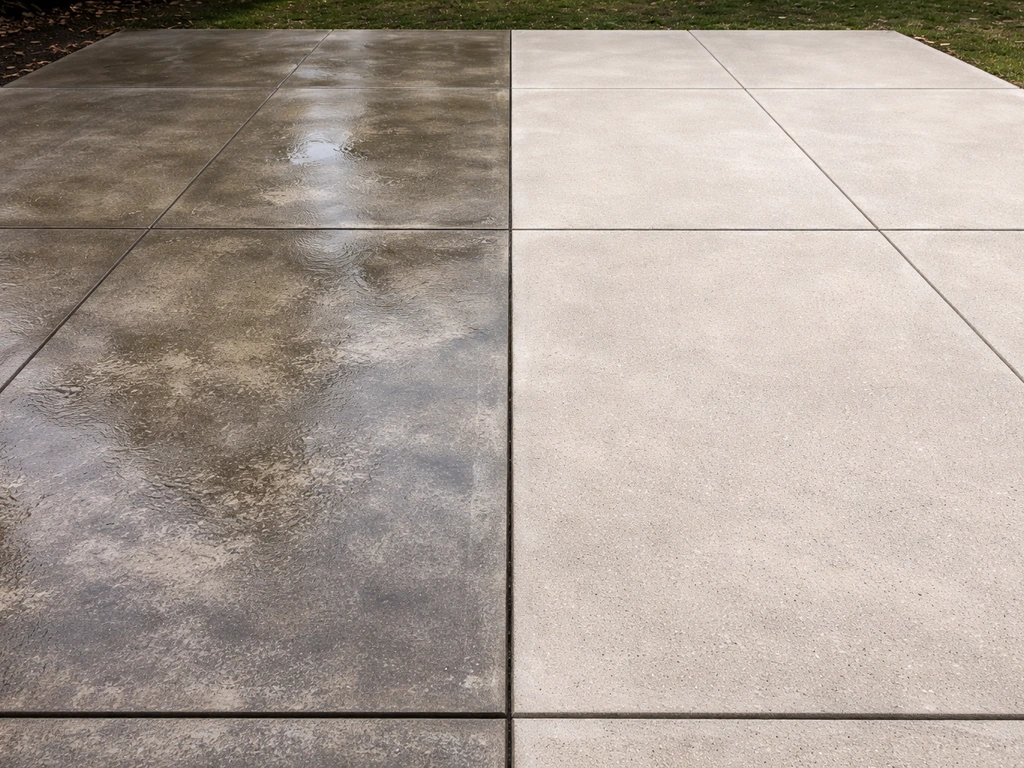
Concrete is the most forgiving surface for sealer removal. You can use most alkaline or solvent-based strippers and pressure wash at up to 3,000 PSI with a 25-degree nozzle. Be aware that stripping can pull out color if you have a stained or dyed concrete slab, so always test in a hidden corner first. Expansion joints and saw cuts will hold residue, so give them extra attention with a detail scraper and brush.
After stripping and neutralizing, let concrete dry for at least 24 to 48 hours (longer in humid conditions) before applying new sealer. If you’re planning to use Sika Patio Sealer, follow its specific application instructions for surface prep, curing time, and drying conditions apply new sealer.
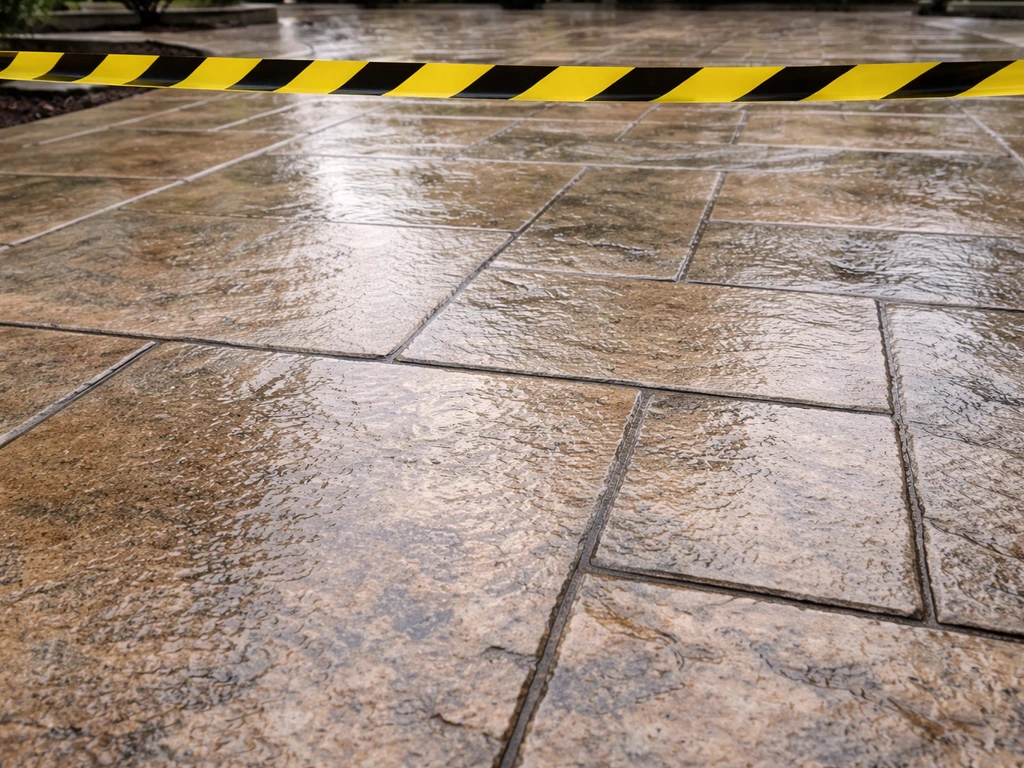
After the sealer has been applied, keep foot and patio traffic off the surface for at least 24 to 48 hours, depending on the product label and drying conditions how long to stay off patio after sealing. Fresh concrete should have cured for a minimum of 28 days before any sealer is applied.
Brick patios
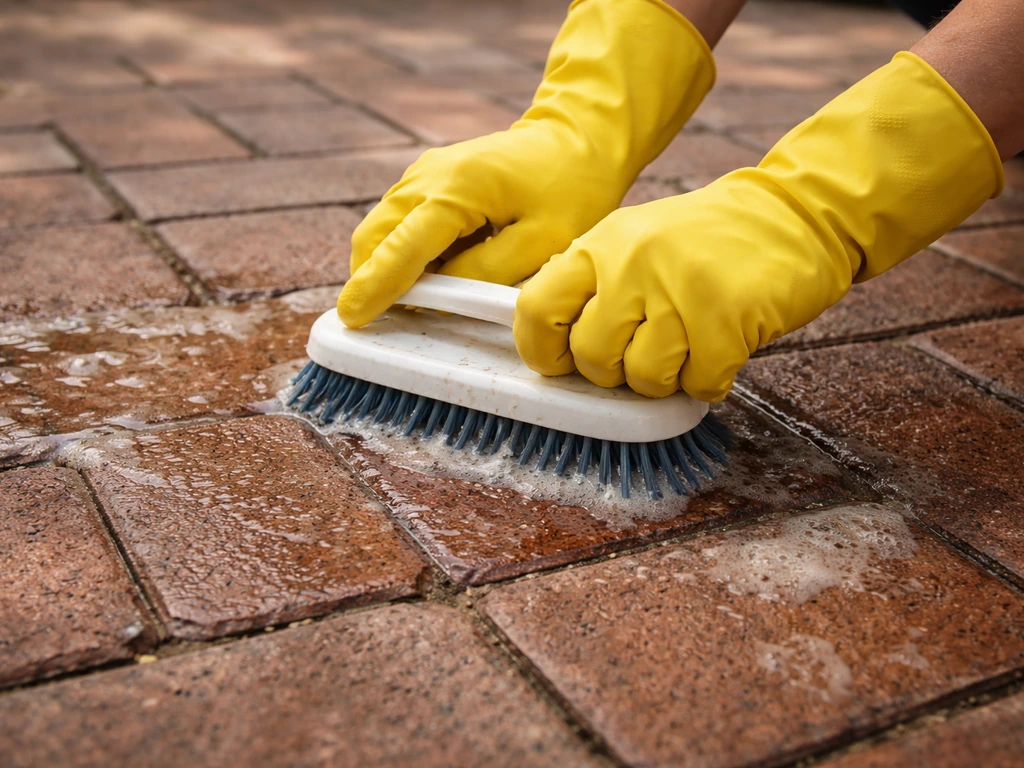
Brick is porous and holds sealer in its texture, so stripping can take longer. Use a water-based alkaline stripper rather than a harsh solvent on brick, as solvents can dry out and damage the mortar joints. Keep pressure washing below 1,500 PSI and use a wider nozzle angle (40 degrees) to avoid blasting out mortar. Avoid muriatic acid on older or softer brick as it can cause surface pitting. After removal, let brick dry thoroughly, at least 48 hours, before resealing.
Concrete pavers
Pavers are similar to concrete in tolerance but the joint sand is a concern. Stripping and pressure washing can displace polymeric joint sand, so you may need to sweep in fresh sand and compact it after the job is done. Acrylic sealers are the most common on pavers, so dedicated acrylic sealer strippers (like those from Alliance Gator or SRW) are a natural first choice. If you're working on interlocking concrete pavers that have a wet-look solvent-based acrylic, the xylene test mentioned earlier will tell you exactly which stripper chemistry to use. Plan to resand joints before resealing.
Natural stone, travertine, and flagstone
These surfaces need the gentlest approach. Never use muriatic acid or highly aggressive solvents on travertine, limestone-based flagstone, or softer natural stones as the acid will etch and permanently dull the surface. Stick to water-based alkaline strippers formulated for natural stone, or products specifically labeled as stone-safe. Pressure wash at 1,000 to 1,500 PSI maximum with a 40-degree nozzle. If you're working on travertine with its characteristic pits and holes, residue will hide in those voids and need hand-scrubbing to clear. Removing the sealer from patio stone specifically is a common enough challenge that it warrants careful product selection and patience with dwell time.
After removal: cleaning up and deciding what comes next
Once the sealer is off and the surface has been neutralized and rinsed clean, you're at a decision point. If the surface looks good after drying, you're ready to reseal when timing and weather allow. If stripping revealed staining, efflorescence, or organic growth underneath the old coat, deal with those issues before applying fresh sealer. Trying to seal over those problems is just delaying the same failure.
Drying time before resealing depends on weather conditions, but as a general rule, allow at least 24 hours of dry weather after the final rinse for concrete and pavers, and 48 hours or more for natural stone, which tends to hold moisture longer in its pores. Check by laying down a plastic sheet for 15 minutes; if there's moisture condensation on the underside when you lift it, the surface isn't ready yet.
If you're switching sealer types, for example going from a solvent-based acrylic wet-look to a penetrating sealer, make sure the surface is truly free of all residue from the old product. Incompatible chemistry between old residue and new sealer is one of the more frustrating causes of early resealing failure. When in doubt, a final light scrub with a pH-neutral cleaner and one more thorough rinse will give you the cleanest possible starting point.
FAQ
When should I remove patio sealer instead of just applying a new coat?
Not always. If the sealer is a penetrating type that is still bonded, you can usually reseal without full removal. If it is film-forming and failing (peeling, milky whitening, flaking), you need to strip first because a new coat will trap the underlying breakdown and fail faster.
How can I confirm what type of sealer I have if the xylene test is unclear?
Xylene helps identify common solvent-based vs water-based acrylics, but it is not reliable for all coatings (like some epoxies or polyurethanes). If the test spot gives mixed results, run a second check using your stripper manufacturer’s recommended compatibility test or test small patches with two different stripper chemistries.
Can I rely on pressure washing alone to remove patio sealer?
Pressure washing can be part of the process, but using it alone often leaves a thin film that causes peeling later. Use it primarily to remove softened residue after stripping, and avoid aggressive settings on natural stone or older concrete. Always do a small test area first to confirm you are actually removing the bonded coating, not just loosening the top flakes.
Can bleach remove patio sealer?
Yes, but only in preparation steps. Do not use bleach as a sealer stripper, it mainly targets organic growth. If mold or algae is present, clean first with diluted bleach, then rinse thoroughly and let it dry before you apply the stripper so the stripper can bond and lift the resin film properly.
Why won’t vinegar or muriatic acid strip a sealer coat?
Bleach, vinegar, and muriatic acid are cleaning agents, not resin-film strippers. Vinegar can help with mineral deposits and some efflorescence, but it will not break down a bonded sealer coat. Muriatic acid is risky on stone and brick because it can etch and permanently change the surface.
What special issues come up when removing sealer from pavers?
Often yes, but you must control the risk to the surface and joints. For pavers, stripping and washing can disturb polymeric joint sand, so plan to re-sand and compact after the patio is fully rinsed and dry. On textured pavers, residue can hide in joints and chamfers, so scrape those areas even if the flat faces look clean.
How do I make sure there is no sealer residue left before resealing?
If you apply new sealer over any leftover residue, you can get rapid failure like peeling, white hazing, or poor bonding. A practical approach is to do a final light scrub with a pH-neutral cleaner, rinse thoroughly, then check for slickness or color transfer on a white cloth in a hidden spot before resealing.
What should I do if the stripper is not lifting the sealer?
Look for ongoing milky whitening, smearing, or areas where the stripper stays inactive. If you see that after proper dwell time, it usually means chemistry incompatibility or incomplete cleaning. The next step is to try a different stripper formulation on separate test patches, rather than repeatedly reapplying the same product.
When is grinding the only real option for stubborn sealer?
Do not automatically replace stripping with grinding unless the coat is epoxy or polyurethane and you have confirmed chemical stripping will not work. Grinding removes material rather than just residue, and it changes surface texture and may expose aggregate. For small patios, repeated correct-chemistry chemical stripping with proper dwell is usually the safer DIY path.
Do I need to neutralize the surface after using an alkaline stripper?
Do not skip residue removal and neutralization, especially with alkaline strippers. Residual alkalinity can interfere with bonding of the next sealer. Make sure you rinse until runoff is consistent, and follow the stripper instructions for neutralizing or post-cleaning so the surface is ready for recoating.
Will stripping damage dyed or stained concrete color?
Some strippers can pull color from stained or dyed surfaces, even when they remove the sealer correctly. Always test in a concealed corner and re-check after the surface dries, because color change can show up more clearly once the surface moisture evaporates.
How do I know the patio is dry enough to reseal after stripping?
If you see moisture through plastic after you finish rinsing, the patio is still holding water or trapped moisture in pores, which can cause sealer failure. Let it dry longer, then re-check with the plastic sheet method. Natural stone often needs more drying time than concrete or pavers.
Why do expansion joints and cracks still cause sealer problems after stripping?
Yes, especially at expansion joints, saw cuts, and low areas where residue pools. Use a detail scraper and small brush there, and do an extra rinse. Don’t assume the main floor area is clean just because the surface looks stripped.
Can I switch from a topical sealer to a penetrating sealer after removal?
Usually, but only after the original sealer is fully removed if you are switching from a film-forming product to a penetrating type. If any topical residue remains, the new penetrating sealer may not absorb evenly and can cause patchy performance or faster breakdown at edges.
Next Articles
How to Remove Resin From Patio Safely by Surface Type
Step by step guide to remove resin from patio by surface type with safe scraping, softening and solvent methods.
How Long to Stay Off Patio After Sealing: Timelines
Learn how long to stay off a sealed patio, with curing timelines by sealer type, material, and weather, plus safe readin
How to Remove Patio Stone Sealer: Step-by-Step Guide
Step-by-step removal of patio stone sealer, with tests, safer methods, chemical options, and prep for resealing