
Condensation on a metal patio roof drips because the metal surface cools faster than the air around it at night, hits the dew point, and moisture from humid air condenses directly on the underside of the panels. It is not a leak. The fastest fix today is improving airflow under the roof so warm, moist air can't sit against cold metal long enough to condense. Longer-term, adding insulation or a vapor barrier keeps the metal surface from dropping below the dew point in the first place. Most homeowners can tackle both with basic tools and a weekend.
How to Stop Condensation on a Patio Roof Today

Dylan Hale
24 Jun 2026
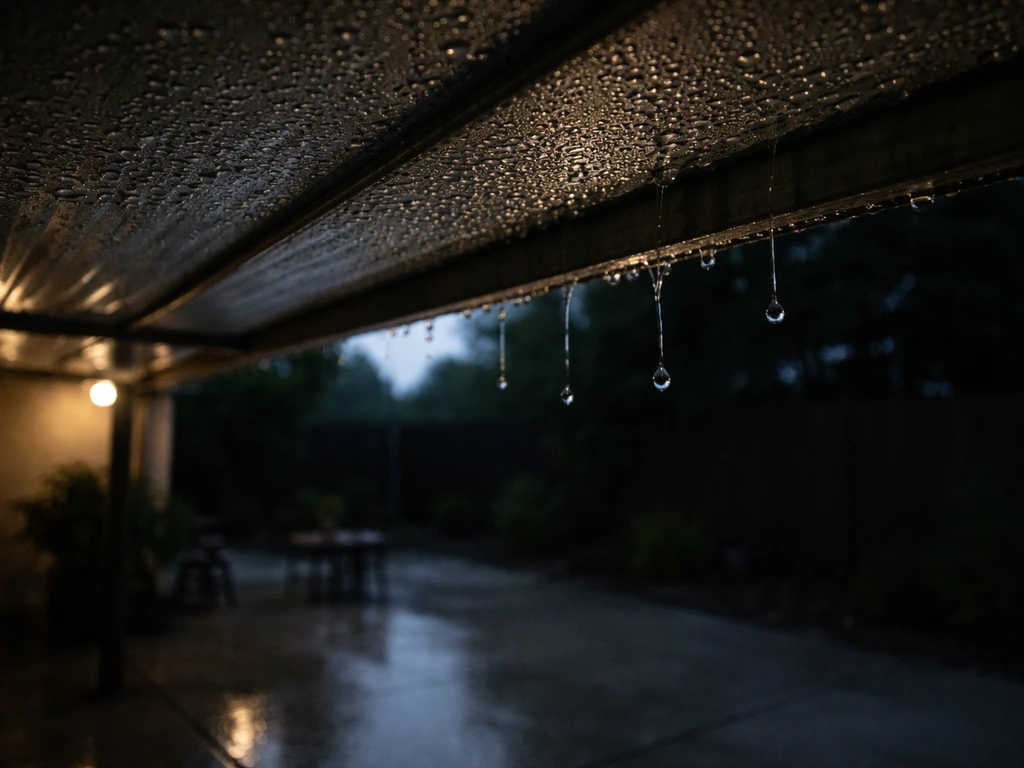
Why metal patio roofs drip with condensation
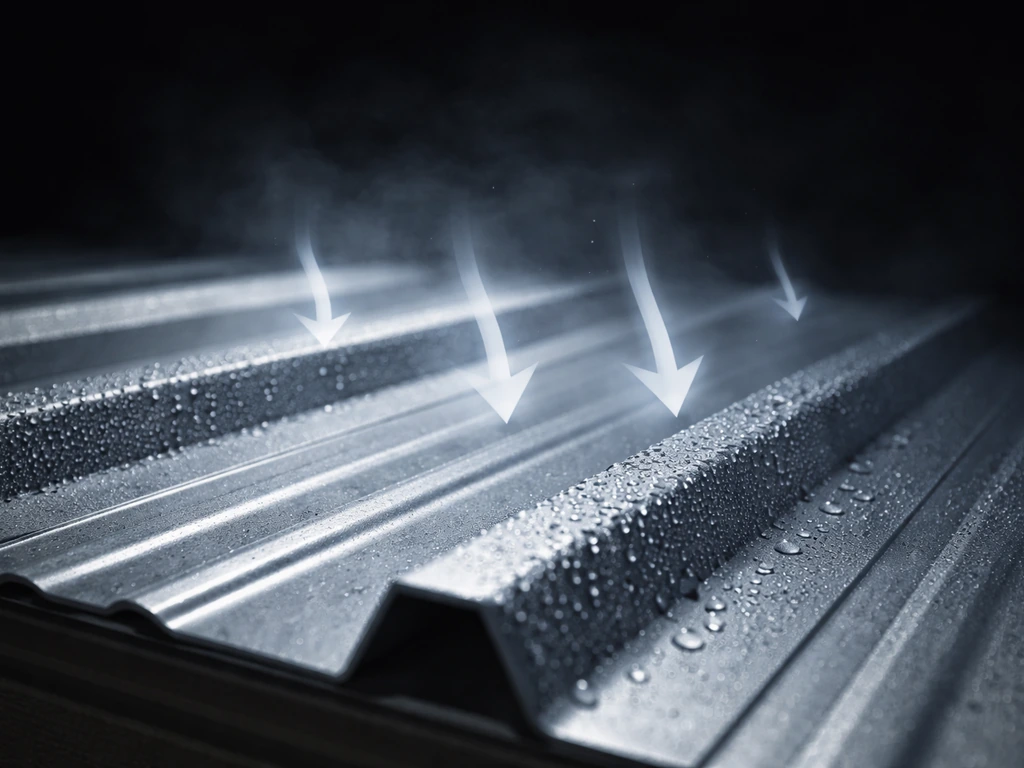
Metal conducts heat quickly, which means your patio roof panels cool down fast after the sun goes down. When the metal surface temperature drops to or below the dew point of the air underneath, moisture vapor in that air converts to liquid water right on the metal. RIMA explains that condensation forms when the surface temperature is at or below the dew point, which depends on the dry-bulb temperature and the relative humidity of the air space next to the surface dew point of the air underneath. This is surface condensation, and it is extremely common on uninsulated steel and aluminum patio roofing, especially in climates with humid summers, coastal air, or large day-to-night temperature swings.
There is also a second, sneakier version called interstitial condensation. That happens inside an enclosed roof cavity when moisture-laden air seeps in through gaps and condenses within the assembly rather than on the visible surface. You may not see drips, but you will eventually see mold, rust, or soft spots in insulation. Both types are driven by the same physics: humid air meeting a cold surface. The difference is where that surface is.
A few things make metal patio roofs worse than other roofing types. They have almost no thermal mass, so they respond to temperature drops instantly. They are often uninsulated (or under-insulated). And patios tend to have partially open sides, which allows outdoor humid air to move freely underneath. That combination is a recipe for nightly drips through spring, summer, and autumn.
Is it condensation or a leak? How to tell fast
Before you start fixing anything, spend five minutes diagnosing the actual source, because the fix for a leak and the fix for condensation are different. Here is what to look for.
Signs it is condensation
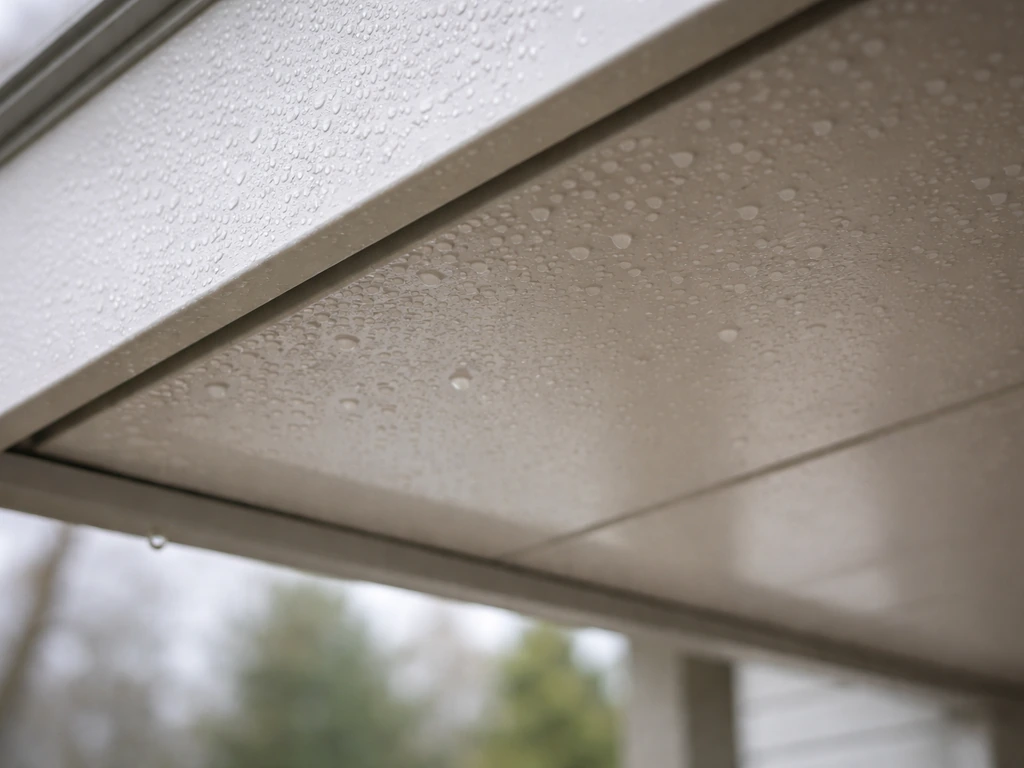
- Dampness or drips appear after a clear, cold night with zero rainfall.
- The underside of the roof is wet in the morning but dries out by mid-afternoon when temperatures rise.
- Moisture is spread broadly across the roof underside rather than coming from a single point.
- You see rust speckling or moisture on nails and metal fasteners across a wide area, not just near one joint.
- The dripping gets worse after a cold front followed by a warm, humid day.
Signs it is an actual leak
- Water appears only during or right after rain, not on dry nights.
- There is a defined drip line or streak, often near a fastener, valley, or roof penetration.
- The same spot stays wet rather than drying out through the day.
- You can trace water back to a specific seam, screw hole, or flashing joint.
If your pattern matches the condensation list, you do not have a roofing defect. You have a humidity and airflow problem, and the rest of this guide covers exactly how to solve it. If you are specifically trying to waterproof patio spaces, focus first on stopping moisture from forming and escaping through the roof system how to solve it. If it looks like a leak, start by checking fastener seals, laps, and flashings before reading on.
Check for trapped cavity moisture too
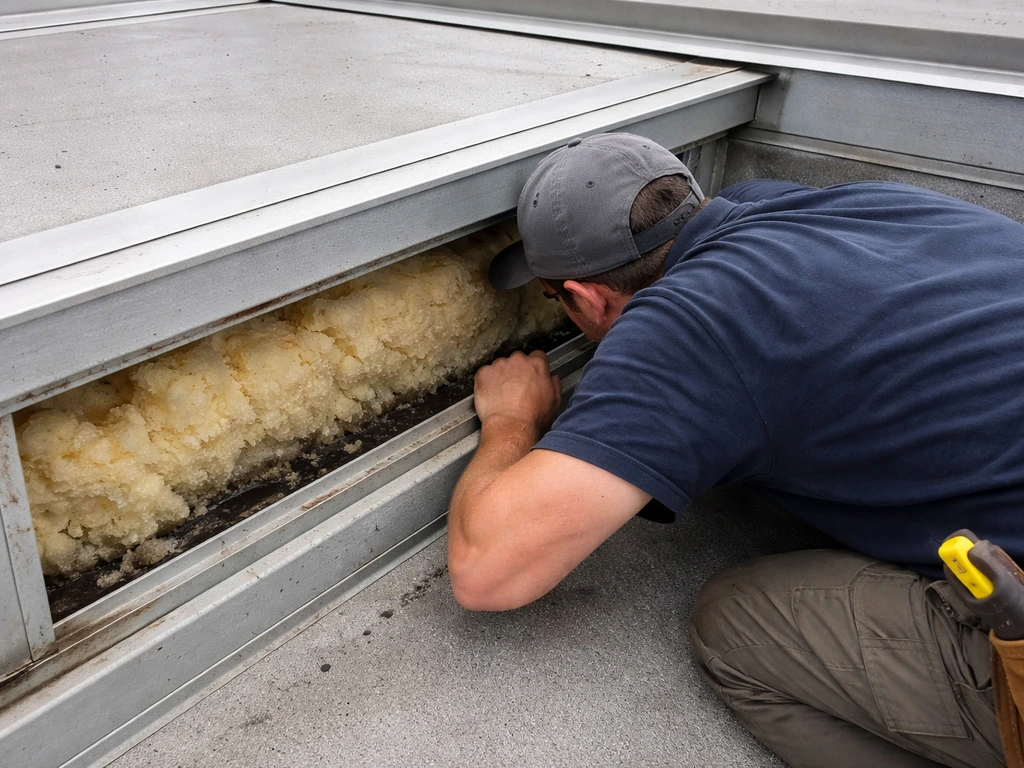
If your patio roof has an enclosed cavity (a double-skin panel or a roof with insulation batts stuffed inside), feel around the insulation or peek into any accessible gap. Compressed, damp, or discolored insulation is a sign of interstitial condensation. Small gaps around light fittings, fan mounts, or edge trim are the usual entry points for moist air that then gets trapped. Seal those gaps with foam backer rod or acoustic sealant once you have confirmed the source.
The best fixes for condensation on a metal patio roof
There is no single magic answer here, but I have found that most condensation problems respond to one of four approaches, sometimes in combination. Below is each one ranked roughly from easiest to most involved.
1. Improve airflow and ventilation first
This is the fastest thing you can do today. Condensation needs stagnant, moist air sitting against cold metal. If you move that air, you break the cycle. For an open patio, this often means removing anything blocking the sides (stacked furniture, solid privacy screens, dense plant walls) to let breeze through. With the same airflow-first idea, learning how to keep patio under deck dry helps prevent moist air from cooling and turning into condensation. For an enclosed or semi-enclosed patio room, you need deliberate intake and exhaust points.
The principle is balanced ventilation: cool air enters low (at the soffit or eave edge) and warm, moist air exits high (at a ridge or hip vent). GAF's ventilation guidance is clear that intake and exhaust must be balanced, and that mixing different vent types on the same system (like adding a power fan alongside a ridge vent) can actually short-circuit airflow and make things worse. Stick to one system done properly rather than layering vents randomly.
For a simple corrugated or Colorbond-style patio roof, even adding a small gap at the ridge and keeping the fascia open at the eave makes a measurable difference. Some homeowners add a ceiling fan on a timer to run overnight, which actively moves air across the underside of the roof and pushes the dew point down enough to stop drips entirely. If you want a quick way to stop puddles on a patio, focus on lowering moisture and preventing condensation at the roof surface dew point.
2. Add insulation or a thermal break
Insulation does not just keep heat in. It keeps the metal panel surface warmer by separating it from the cold night air, which means the surface stays above the dew point. The most practical options for a patio roof are closed-cell foam board (polyiso or XPS), foil-faced bubble wrap insulation, or spray foam applied to the underside of the panels.
Spray foam is the most thorough option because it seals air gaps at the same time as it insulates, eliminating both surface condensation and the cavity moisture pathways that cause interstitial condensation. If that is outside your budget, even a single layer of foil-faced insulation board screwed or glued to the underside of the roof will reduce condensation noticeably by raising the surface temperature above dew point on most nights.
One thing to avoid: do not create an air gap between the insulation and the roof panel. Research from metal building insulation guides consistently shows that a trapped air layer between insulation and panel becomes a condensation zone in itself. The insulation should sit tight against the metal.
3. Seal your vapor barrier properly
If your roof already has a vapor barrier installed but you are still getting condensation, look for gaps. Even small openings around light fixtures, fan brackets, or edge laps allow warm moist air to bypass the barrier and reach cold metal on the other side. Seal laps with foil tape rated for vapor barriers, and use foam sealant or acoustic mastic around any penetrations. This is especially important if you have an enclosed roof cavity, where even a pinhole-sized gap can allow enough moisture migration to cause persistent dripping.
4. Address drainage and roof design issues
If condensation water pools on the roof underside rather than running off, it sits longer and causes more damage. Check that your roof has enough pitch for condensate to run toward the edges. For flat or low-pitch patio roofs, adding or extending eave drip edges helps channel condensate away from walls and posts rather than letting it drip onto patio furniture and flooring below. This does not stop condensation forming, but it stops secondary damage from pooling water, which connects to the same drainage problems covered in guides on stopping water pooling on patios. For water pooling on the patio, focus on improving drainage and roof pitch so condensate and runoff can drain away instead of staying trapped stopping water pooling on patios.
DIY steps to reduce moisture on your patio roof right now
Here is a practical sequence you can work through today, starting with no-cost moves and building up to simple upgrades.
- Clear the perimeter: Remove any solid barriers, stacked furniture, or dense plants blocking airflow under or around the patio roof. Even partial openings make a difference overnight.
- Run a fan: Point a box fan or ceiling fan at the roof underside and run it on a timer from roughly 10 pm to 6 am, when temperatures are coldest. This is a same-night fix that works surprisingly well.
- Check and open any existing vents: If your patio roof has soffit grilles or ridge vents that have been blocked by debris, leaves, or paint, clear them now.
- Seal visible gaps in any insulation or vapor barrier: Use foil tape for laps and expanding foam for penetrations. Do this in dry conditions so you are sealing against air movement, not trapping existing moisture.
- Install foil-faced insulation board: Cut panels to fit between roof purlins and screw or clip them tight to the underside of the metal. Do not leave an air gap. Even 25 mm (1 inch) of foam board raises the panel surface temperature enough to shift the dew point on most nights.
- Add a drip edge or extend the eave trim: If condensate is dripping onto walls or pooling on the patio surface, a simple aluminum drip edge channels runoff away cleanly.
Cleaning up the damage condensation leaves behind
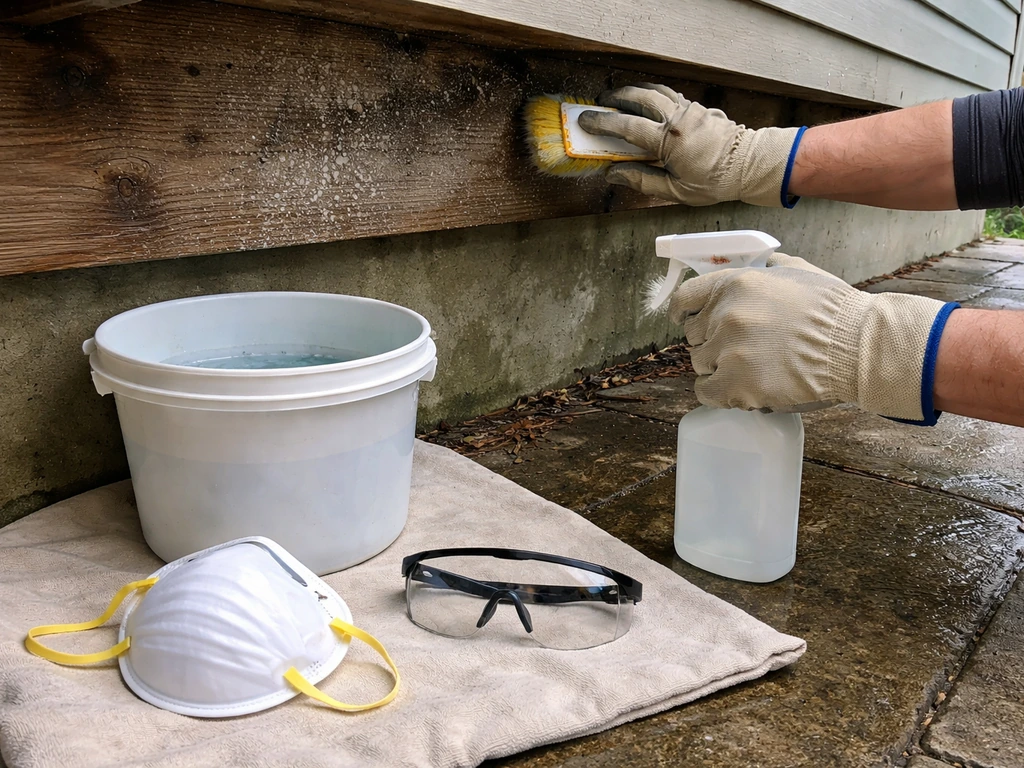
Once you have dealt with the source, you need to clean up whatever condensation has already done to your patio surfaces. If you also need to dry point a patio surface, make sure it is completely dry and follow the manufacturer’s guidance for the mix and application. The three main issues are mildew, rust staining, and general water marking on pavers, concrete, or stone.
Mildew on the roof underside and adjacent surfaces
Mildew thrives anywhere condensation keeps surfaces damp overnight. On the metal roof itself, a diluted bleach solution is effective: no more than 1 cup (8 ounces) of household laundry bleach per 1 gallon of water, per CDC guidance. Apply it with a brush or pump sprayer, let it dwell for 10 to 15 minutes, then rinse thoroughly. Do this on a dry, overcast day so the solution does not evaporate before it can work.
Safety matters here. Wear a half-face respirator or at minimum an N95 mask when scrubbing any significant mold growth, gloves, and eye protection. Never mix bleach with ammonia, vinegar, or any other cleaner. The reaction between sodium hypochlorite and ammonia produces toxic chloramine fumes, and mixing bleach with acids (including vinegar) releases chlorine gas. Use one product at a time, rinse the surface between products if you switch, and work in a well-ventilated space.
If you prefer a gentler approach, undiluted white vinegar sprayed onto mildew-affected non-porous surfaces and left for an hour before scrubbing does work on early-stage growth. I have found it is less reliable on porous concrete or grout where mold has taken hold deeper in the surface. The EPA also notes that surface cleaning alone is not enough if you have not fixed the moisture source, so treat the cleaning as part of the solution, not the whole solution.
Rust staining on patio pavers and concrete
When condensate runs off a metal roof and drips consistently onto pavers, concrete, or stone below, it deposits iron oxide and leaves orange-brown rust staining. Bleach will not remove rust, and can actually set some stains. For rust on concrete or pavers, oxalic acid-based cleaners or commercial rust removers (look for products with oxalic or citric acid) are the most reliable approach. Apply per the product label, scrub with a stiff brush, then rinse well. On travertine or natural stone, test a small hidden area first because acid-based cleaners can etch calcium-rich stone.
Water marks and mineral deposits
Repeated condensate drips leave white or grey calcium and mineral deposits on pavers and concrete, especially if your water is hard. A diluted white vinegar solution (1 part vinegar to 2 parts water) applied and scrubbed with a stiff brush removes most mineral deposits on concrete, brick, and pavers. Avoid using vinegar on travertine, limestone, or marble, where the acid will etch the surface. For those materials, use a pH-neutral stone cleaner instead.
Rust protection on the metal roof itself
If condensation has been ongoing for a while, check your metal roof panels for rust spots, especially around fastener heads where the zinc coating may have been breached. Sand back any rust to bare metal, apply a rust-converter primer, then touch up with a metal paint rated for outdoor use. Leaving rust unchecked allows it to spread under the panel coating and shorten the roof's lifespan significantly.
Stopping condensation from coming back
Fixing condensation once is good. Not having to fix it again is better. These habits and upgrades will keep it under control long-term.
| Prevention action | When to do it | What it achieves |
|---|---|---|
| Check ventilation paths for blockages | Each autumn before cold weather | Keeps airflow balanced so moist air can escape overnight |
| Inspect vapor barrier/insulation laps and seals | Annually, or after any roof work | Prevents moisture migrating into the roof cavity |
| Clean gutters and drip edges | Twice yearly (spring and autumn) | Stops condensate and rain pooling at the eave and wicking back |
| Touch up paint or sealant on fastener heads | Every 2 to 3 years | Blocks rust entry points before they spread |
| Monitor humidity under roof on humid nights | Ongoing with a cheap hygrometer ($10 to $20) | Early warning if airflow or insulation is failing |
| Consider upgrading to insulated sandwich panels | When replacing or extending the roof | Eliminates surface condensation almost entirely by design |
One habit I have found genuinely useful is keeping a cheap digital hygrometer clipped to a beam under the patio roof through summer. If relative humidity under the roof is consistently above 70 percent overnight, you need more ventilation or insulation before condensation becomes a recurring problem. If you are wondering how to keep patio dry, start by monitoring humidity under the roof overnight. Catching it early means a $30 fan fix rather than a full re-insulation project.
If you are also dealing with water pooling on the patio floor from roof runoff or poor drainage, that is a related but separate problem worth addressing alongside condensation control. If you are getting standing water on the patio, you will also want to check drainage and adjust downspouts so roof runoff can drain away instead of pooling. A dry patio surface is easier to keep clean and helps prevent the mold and mineral staining that condensate drips cause at ground level.
For anyone who has an enclosed patio room rather than an open-sided shelter, the sweating and condensation problem has close parallels with concrete patio sweating, where slab-level condensation creates similar mold and slip risks. The fix principles overlap: reduce humidity, increase ventilation, and break the thermal contact between cold surfaces and warm moist air.
If condensation and resulting mold cover a very large area, particularly inside any roof cavity you cannot fully access, that is the point to bring in a professional remediation contractor. EPA guidance sets the threshold at roughly 10 square feet of visible mold growth as a reasonable point to get expert help rather than attempting DIY cleanup. Below that, the bleach dilution approach above handles it safely. Above it, the airborne spore risk during disturbance goes up enough that professional equipment and containment become worthwhile.
FAQ
How can I tell condensation on my patio roof from an actual leak?
If the roof drips mostly on cool nights and stops after a warm, dry day, it is likely condensation, not a leak. Look for water showing up on the underside evenly under panel seams or fasteners, and check whether the “drip line” follows dew patterns rather than a specific penetration (like a light, vent, or flashing joint).
Will cleaning and treating the mold fix the condensation problem permanently?
Stop the source first, because cleaning alone often leads to recurrence. If you keep dripping, use only a surface treatment as a temporary step, then fix airflow, insulation, or vapor barrier gaps so the underside stays above dew point.
Can I just add a vent fan to stop condensation?
No, you usually should not. Adding ventilation helps, but if you mix vent types or add a fan without making sure intake and exhaust paths actually balance, you can create turbulence that increases moisture transport into the cavity and worsen drips.
If I seal the roof seams better, will condensation stop automatically?
If the metal underside is staying at or below dew point at night, you will still get condensation even with great paint or sealants above. The more reliable approach is to warm the underside (insulation) and reduce humid air contact (ventilation and sealing penetrations), then address drainage afterward.
What humidity level should I target under an enclosed patio roof to prevent condensation?
Aiming for “closed up” without controlling humidity can backfire. For enclosed or semi-enclosed patios, use the balanced ventilation idea, and if you run a fan, run it in a way that moves air from intake low to exhaust high, not just recirculating within the same space.
Why does condensation keep happening even though the roof looks sealed?
Yes. Even pinholes around light fixtures, fan mounts, or edge trim can carry humid air into the cavity and trigger interstitial condensation. Seal penetrations with a material compatible with your vapor barrier (foam backer rod plus appropriate sealant, or vapor-rated mastic/foams) after you confirm where moisture is entering.
Is condensation water safe to ignore, since it is not a leak?
For condensation on metal, do not assume the water is “clean.” It can include dirt and mineral carryover that encourages staining. When cleaning, rinse thoroughly after any bleach treatment, and treat rust with an acid-based rust remover only after you test a small hidden area to avoid damaging coatings or stone finishes.
How long should I run a fan at night to stop drips?
You can reduce nighttime drips quickly, but timing matters. If you run a ceiling fan overnight, aim to start it before the temperature drops and dew point is reached, and keep it moving long enough to prevent still air from sitting against the cold underside.
What if water is pooling under the patio roof instead of just dripping off the edge?
Yes, and it is important. If your roof is too low-pitch, condensate can pool under the panels and increase staining and corrosion even if condensation formation is reduced. Increase or extend eave drip edges and confirm water runs toward the edges instead of staying trapped in low spots.
Will adding more airflow always make condensation better?
More ventilation is not always better. If your patio is partially enclosed and you only add exhaust without providing a true low intake path, you can pull humid air in through unintended gaps and increase condensation. Ensure you have intake low and exhaust high with an overall balanced flow path.
Can I install insulation with an air gap to improve airflow?
Insulation that leaves an air gap between the insulation and the metal can create its own condensation plane, so it can make things worse. Use insulation types designed for underside mounting, fit them tight to the roof panels, and seal edges so humid air cannot migrate behind the insulation.
I already have a vapor barrier, what should I check next?
A vapor barrier only works if it is continuous. If you still see condensation, look first for missing or poorly sealed laps, holes around penetrations, or damaged tape where panels overlap. Seal laps with vapor-rated foil tape and address any breaks before adding more insulation.
How do I fix rust caused by condensation without replacing the whole roof?
If you see repeated rust at fastener heads, that often means moisture has persistent access to the fasteners and the panel coating is failing. Sand back rust to bare metal, treat with a rust-converter primer, and use an outdoor metal touch-up coating rated for exterior exposure.
When should I stop DIY cleanup and hire a remediation contractor?
If there is a large area of mold you cannot access safely, or it exceeds about 10 square feet of visible growth, professional remediation is typically the safer next step because containment and air control reduce spore exposure during cleanup.
Is using a hygrometer under the patio roof actually useful, or just guesswork?
You can monitor, but don’t treat one number as the whole story. A hygrometer under the roof that regularly reads above about 70% overnight suggests dew point is being reached, so prioritize fixing ventilation and insulation, then re-check after changes to confirm the trend improves.
Next Articles
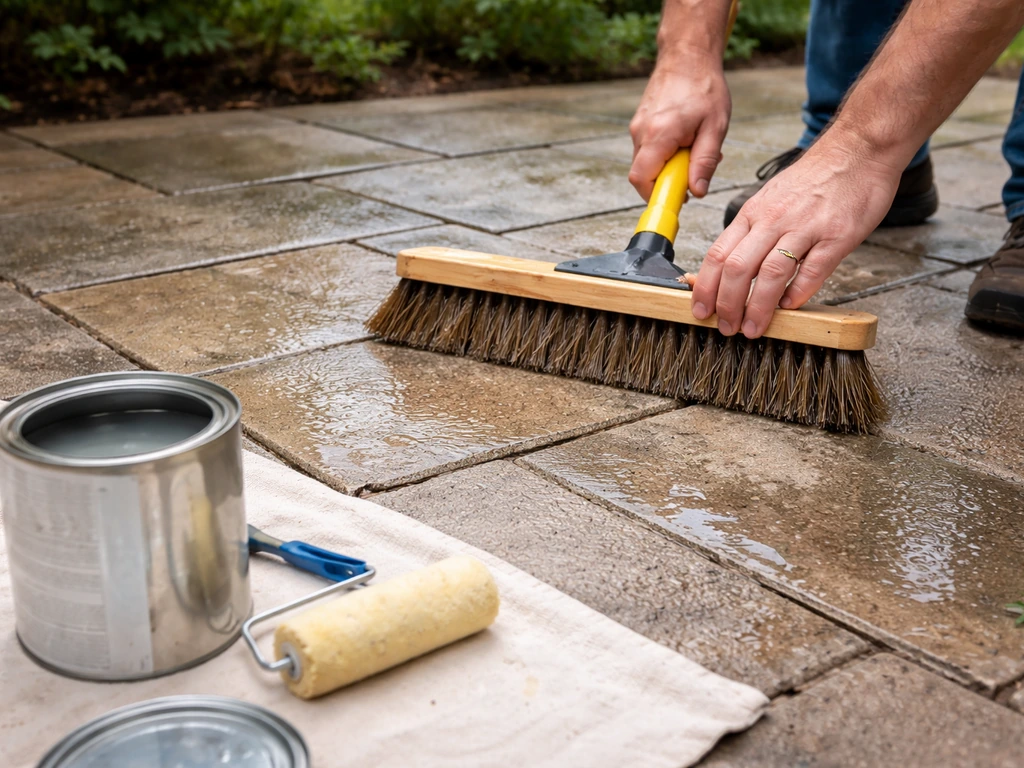
How to Waterproof Patio: Step-by-Step by Material
Step-by-step how to waterproof a patio by material, with cleaning, sealing choices, repair prep, and troubleshooting.
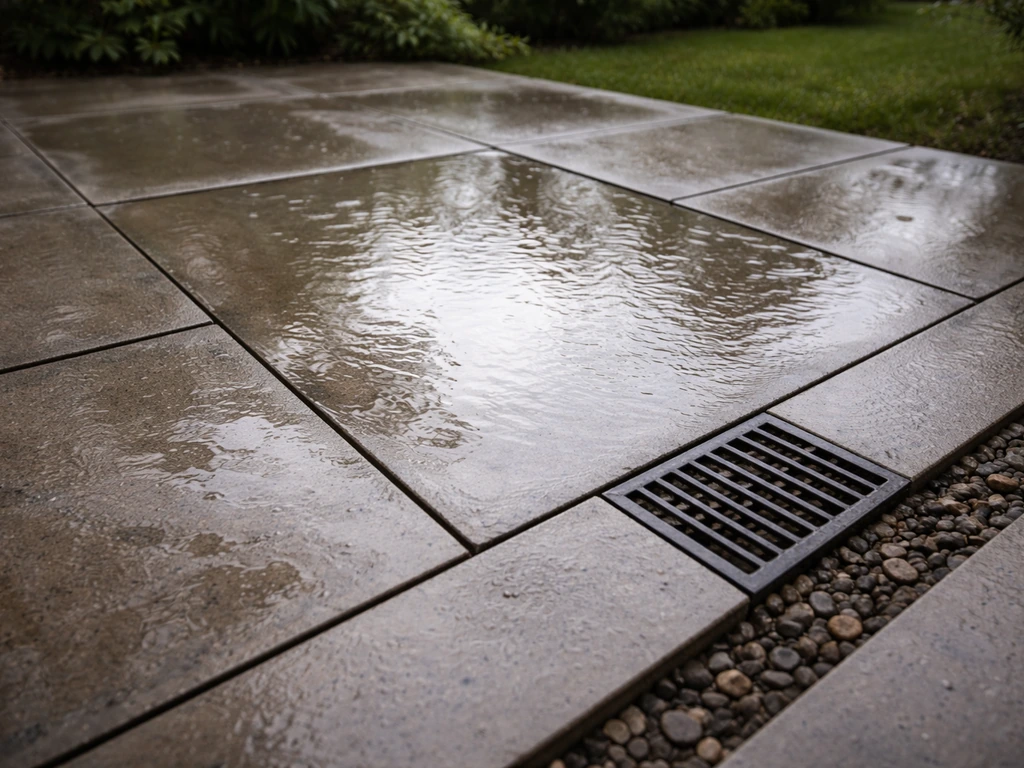
How to Fix Standing Water on a Patio: Step by Step
Diagnose and fix standing water on patios with step-by-step drainage checks, material-specific repairs, cleaning, and pr
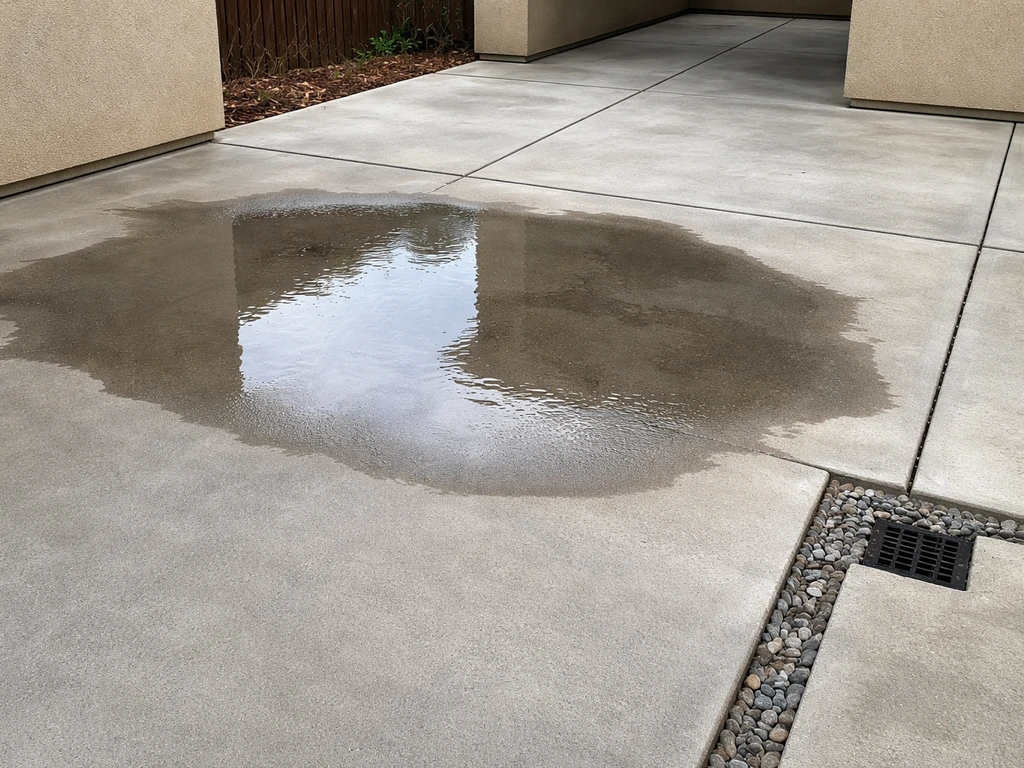
How to Stop Water Pooling on Patio: Fix Drainage Fast
Quick checks and step-by-step fixes to stop water pooling on patio, clean surfaces, clear drains, and regrade.