For most patio cleaning jobs, leave sodium hypochlorite on the surface for 10 to 15 minutes. That window is long enough to kill mold, mildew, and algae on contact, but short enough that you're not risking bleach damage to the surface or the plants nearby. The exact time shifts a little depending on your patio material, how bad the growth is, and how strong your solution is, but 10 minutes is the sweet spot that most manufacturers and cleaning guides agree on, and it's what I'd start with every time.
How Long to Leave Sodium Hypochlorite on a Patio
Dylan Hale
23 May 2026
What sodium hypochlorite actually does to your patio
Sodium hypochlorite is the active ingredient in household bleach. It's a chlorine-oxygen compound, and when it hits water it releases hypochlorous acid, which is the part that actually kills biological growth. On a patio, that means it breaks down the cell walls of mold, mildew, algae, and bacteria sitting on the surface. It also has a whitening effect, which is why patios look brighter and cleaner after a bleach treatment even if you didn't scrub hard.
The most common patio uses are removing green or black algae, killing mold and mildew (especially in shaded or damp corners), disinfecting the whole surface, and brightening concrete or stone that's gone grey and grimy. It works well on all of these, but it's a surface-level solution on porous materials. The bleach kills what it contacts, but if mold has rooted deep into the pores of concrete or brick, it may come back, and you'll need to scrub and possibly repeat the treatment.
How long to leave it on: contact times by situation
The concept here is called contact time or dwell time: the surface needs to stay visibly wet with the bleach solution for the full period for the chemistry to do its job. If it dries out before time is up, the reaction stops. Here's how I'd think about timing depending on what you're dealing with:
| Situation | Dilution to Use | Recommended Dwell Time |
|---|---|---|
| Light mildew or surface algae | 1/3 cup bleach per gallon of water (~2–3%) | 5–10 minutes |
| Moderate mold or green growth | 1 cup bleach per gallon of water (~5–6%) | 10 minutes |
| Heavy mold or black staining | 1 part bleach to 10 parts water (~8%) | 10–15 minutes |
| General disinfection and surface brightening | 1/3 cup bleach per gallon of water | 10 minutes |
| Stubborn algae or recurring growth | 1 cup bleach per gallon, scrub during dwell | 10–15 minutes |
The 10-minute mark is where real mold kill happens. Clorox and the EPA both frame it the same way: keep the surface wet for at least 10 minutes. For lighter surface growth, 5 to 6 minutes can be enough, but if you've got a visibly nasty patio, give it the full 15. Beyond 15 minutes you're not gaining much more killing power, and you are adding unnecessary exposure risk to the surface, surrounding plants, and soil runoff.
Can you leave sodium hypochlorite on the patio overnight?
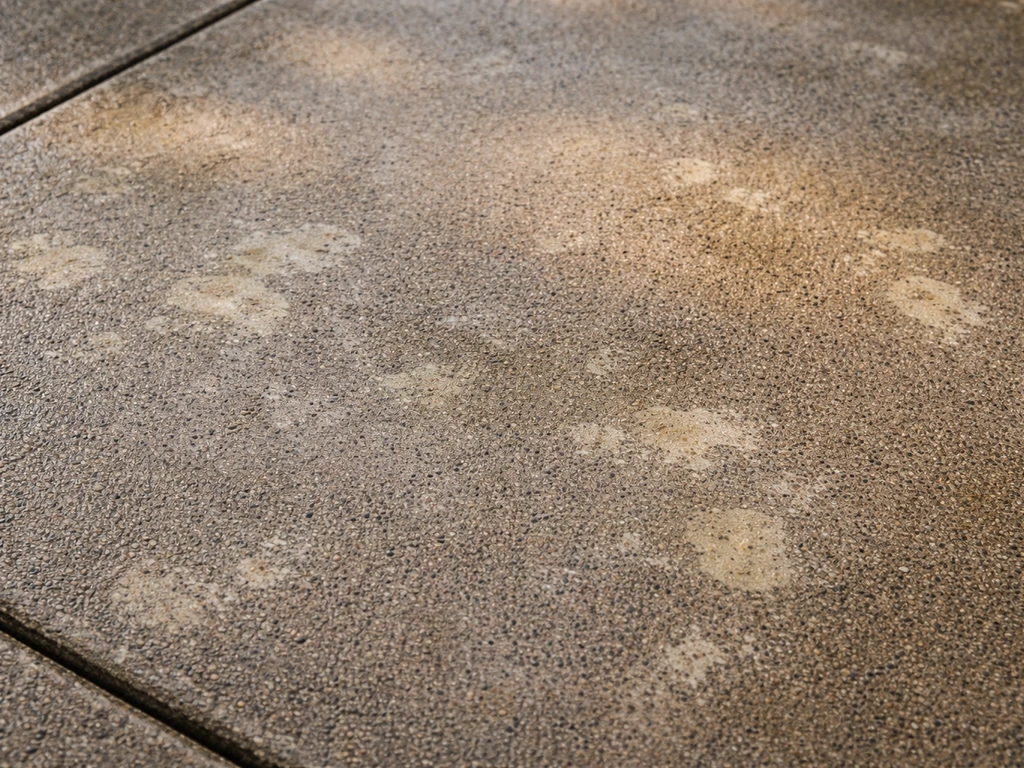
No, don't do it. Can you clean a patio with bleach is a related question if you're trying to decide whether bleach is the right approach for your growth. Leaving bleach on a patio overnight is one of those things that sounds like it might work better but actually causes more problems than it solves. After about 15 to 20 minutes, you're past the point of useful chemical action. What happens overnight is runoff into garden beds and grass, potential discoloration or etching of the patio surface (especially on stone and brick), residual bleach that harms pets or kids who walk out in the morning, and dried bleach deposits that can be harder to rinse than the original staining.
Residual hypochlorite can stay active on porous surfaces for hours after application, which means even after it dries, it can still affect plants and soil nearby. If you apply it in the evening and leave it, you're also giving it time to penetrate deeper into the material than you want. For problem patios, a second treatment the next day is far safer and more effective than leaving one application on all night.
Material-specific guidance: what works where
This is the section that matters most if you're working with anything other than plain concrete. Sodium hypochlorite behaves very differently across patio materials, and getting this wrong can mean permanent damage.
Concrete
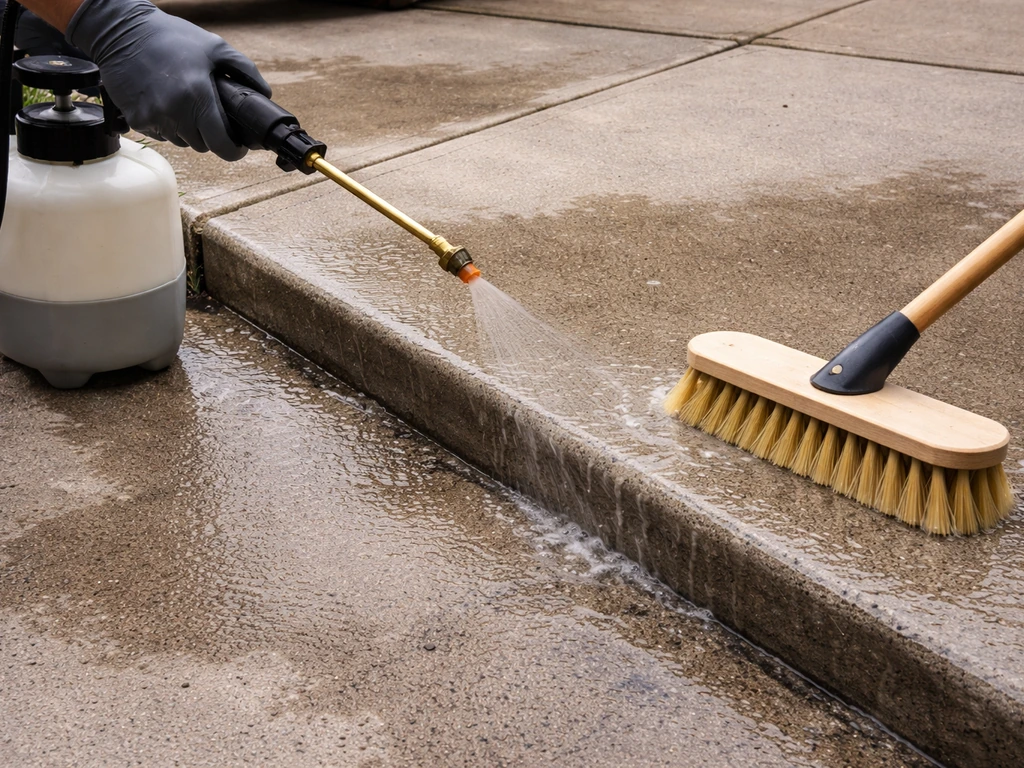
Concrete is the most forgiving surface for bleach. A dilution of about 1 cup bleach per gallon of water, left for 10 to 15 minutes, is safe and effective. If you are asking can you bleach concrete patio, the short answer is yes, as long as you use the right dilution and contact time Concrete is the most forgiving surface for bleach.. If you want the full walkthrough, follow our guide on how to bleach concrete patio safely for best results Concrete is the most forgiving surface for bleach.. Rinse thoroughly afterward. Sealed concrete can handle this without any issue. Unsealed or older concrete may absorb the solution more readily, so stick to the lower end of the dwell time and make sure you rinse before it dries completely. Bleach is generally safe for concrete when used at the right dilution, but repeatedly using it undiluted can slowly degrade the surface over time.
Brick
Brick is porous, which means it absorbs bleach solution faster than concrete. Use a more diluted mix (around 1/3 cup per gallon for maintenance, or up to 1 cup per gallon for heavy growth), and keep dwell time to 10 minutes maximum. Watch out for efflorescence: bleach can draw water-soluble salts to the surface during or after cleaning, showing up as powdery white deposits. That's not damage, but it is annoying. Scrub with a stiff brush during the dwell time to help the solution penetrate the growth, then rinse well.
Pavers
Concrete pavers handle bleach about the same as solid concrete: 10 minutes at a standard dilution, followed by a thorough rinse. Natural stone pavers (like sandstone or limestone) need more caution because bleach can lighten or mottle the surface if left too long. Keep it to 5 to 10 minutes and test a hidden paver first. Also be aware that if your pavers have polymeric sand in the joints, strong bleach solutions can break down the binders in that sand over time with repeated use.
Natural stone (slate, limestone, sandstone)
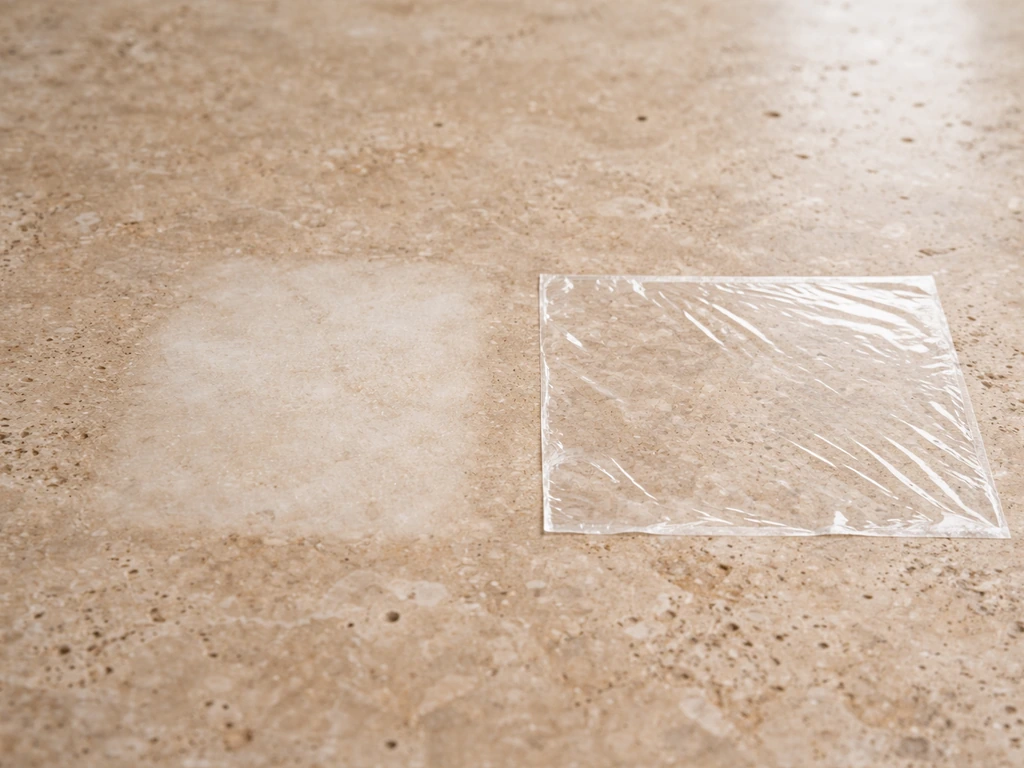
Natural stone needs a more diluted solution and a shorter dwell time. Stick to 1/3 cup per gallon and no more than 5 to 10 minutes. Always test on an inconspicuous spot first. Limestone in particular can react with bleach and show lightening or surface change. If you're at all unsure about your stone type, start with the weakest dilution and shortest time, check the result, and go from there.
Travertine
Travertine is where you need to be most careful. Bleach can cause etching on travertine, and that etching is permanent. The U.S. General Services Administration does reference using a 5.25% sodium hypochlorite solution on travertine for stubborn dark staining, but only as a last resort, applied carefully and scrubbed rather than left to soak. If you do use bleach on travertine, keep the dwell time under 5 minutes, don't let it sit in one spot, and rinse immediately. Honestly, for travertine I'd look at gentler options first: a pH-neutral cleaner or a diluted dish soap scrub will often handle mildew without any etching risk at all.
Flagstone
Flagstone covers a range of rock types (bluestone, quartzite, slate, limestone), so the safe approach is the same as for natural stone: diluted solution, short dwell time of 5 to 10 minutes, test first, rinse thoroughly. Darker flagstones tend to be more stable, but any flagstone with visible calcite veining (the white lines) can etch if hit with bleach too aggressively.
How to apply it and when to rinse: step by step
- Pre-wet the patio surface with plain water before applying any bleach. This slows absorption into porous materials and helps the solution spread evenly instead of soaking into one spot.
- Mix your solution in a bucket or garden sprayer: 1/3 cup bleach per gallon for light cleaning, up to 1 cup per gallon for heavy mold. Household bleach is typically 6% to 8.25% sodium hypochlorite as sold.
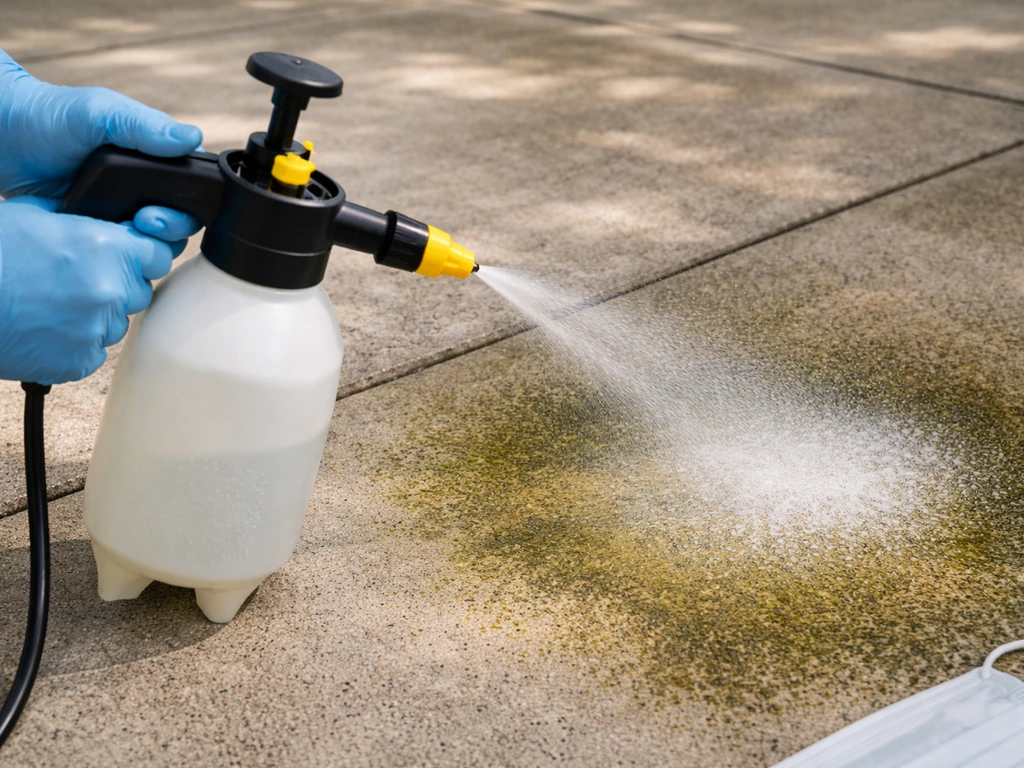
- Apply the solution evenly across the surface using a long-handled brush, roller, or pump sprayer. Work in sections so nothing dries before you're done applying.
- Set a timer for 10 minutes (or 5 minutes for sensitive stone or travertine). Keep the surface visibly wet for the full dwell time. If it starts to dry in spots, mist lightly with plain water to reactivate.
- Scrub with a stiff-bristled brush during the last few minutes of the dwell time, especially on heavy growth or deeply textured surfaces. This mechanical action helps break apart what the bleach has already killed.
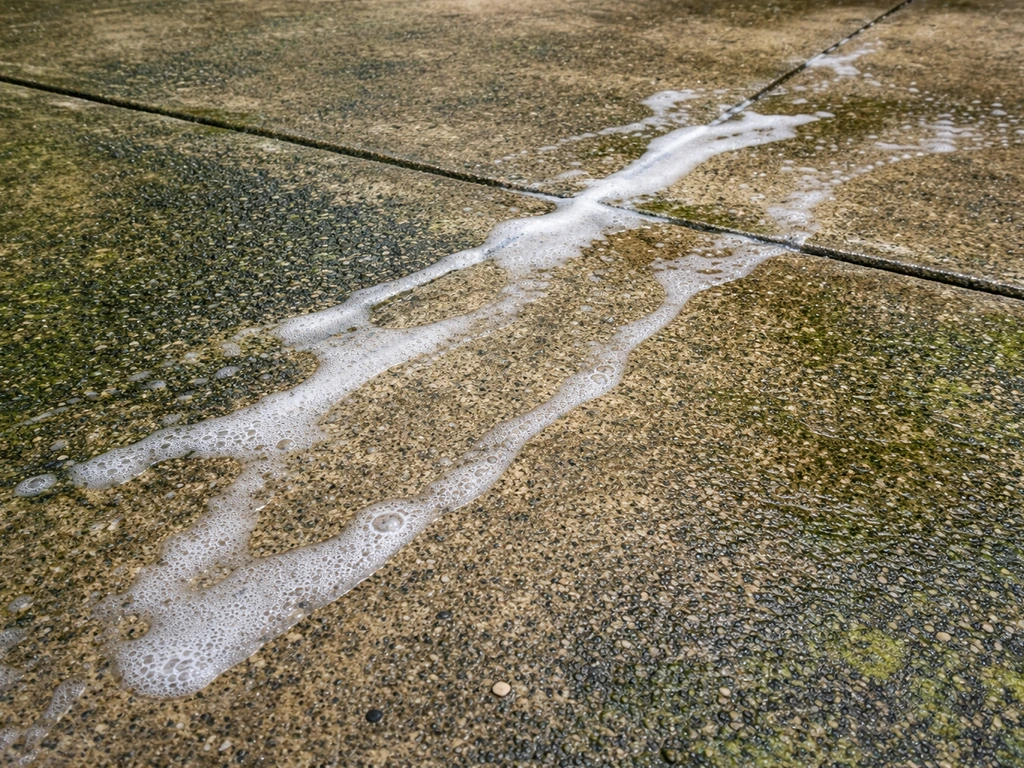
- Rinse thoroughly with clean water. Use a garden hose or pressure washer at a low setting. Rinse until there's no foam or chemical smell coming from the surface. Incomplete rinsing leaves bleach residue that can affect surface color and harm plants nearby.
- Let the patio dry completely before walking on it with bare feet or letting pets out. If you're treating a large area, work in manageable sections so you can rinse each one properly.
On the question of whether to rinse at all: yes, always rinse. The bleach has done its job during the dwell time. Leaving it on afterward doesn't improve results, and it does increase the chance of discoloration, surface damage, and chemical runoff into garden beds.
Safety, dilution, and what not to mix with bleach
Bleach is effective but it's not something to be casual about, especially outdoors where kids and pets will use the space after you. The Clorox Professional Instant Mold Stain & Mildew Stain Remover SDS includes avoidance language for preventing contact with skin and eyes, which can help guide PPE choices for patio cleaning blank" rel="noopener noreferrer">avoid contact with skin and eyes. Here's what I always do before starting: Stanford EHS warns that sodium hypochlorite (bleach) is blank" rel="noopener noreferrer">incompatible with acids and ammonia-containing compounds, which can release toxic chlorine gas.
- Wear rubber gloves and eye protection. Bleach solution splashes when you're scrubbing, and a face splash is genuinely unpleasant.
- Work in a well-ventilated area. Outside is usually fine, but avoid working in a confined courtyard or under a covered patio with no airflow on a hot day.
- Keep kids and pets off the patio during application and until the surface is fully rinsed and dry.
- Wet down surrounding garden beds and grass before you start. This dilutes any runoff that reaches plants and reduces the impact.
- Never mix bleach with ammonia — this produces chloramine gas, which is toxic.
- Never mix bleach with vinegar, muriatic acid, or any other acid-based cleaner — this releases chlorine gas, which is also toxic and dangerous even outdoors.
- Never mix bleach with other household cleaners unless the label specifically says it's safe. Many multi-surface sprays contain ammonia.
- Dilute properly: undiluted bleach straight from the bottle is usually 6% to 8.25% sodium hypochlorite and is too strong for most patio surfaces without dilution.
On runoff: if you have a drain nearby, bleach will flow toward it. Diluted bleach that gets rinsed away in normal volumes isn't a major environmental hazard at household scale, but concentrated runoff into a closed drain or directly onto plant roots repeatedly is a real concern. Keep concentrations reasonable, rinse with plenty of water to dilute as you go, and avoid treating the whole patio in one session if you're near sensitive plantings.
When it's not working: troubleshooting weak results or surface damage
The mold or algae is still there after rinsing
First, check whether the growth is actually dead but still staining, or whether it's still alive (still green or fuzzy). Dead mold stains are a different problem from live growth. If the surface is just stained after the bleach treatment, the biology is handled but the pigment remains. Scrubbing harder with a stiff brush after the dwell time, or pressure washing the surface after treatment, usually clears this. If growth looks unchanged after 15 minutes, your solution may be too weak, or the surface dried out before the dwell time finished. Try a slightly stronger dilution and pre-wet more aggressively to keep the surface wet longer.
The results are uneven or patchy
Uneven results usually mean uneven application. Some spots got more solution or dried slower. The fix is to do a second, even application across the full area, let it dwell fully, and rinse uniformly. On textured or rough surfaces, a brush during application helps get solution into low spots.
The surface looks etched, lighter, or discolored
If you're seeing etching or unexpected lightening, the bleach was either too strong, left on too long, or the surface material is more sensitive than expected. On travertine, flagstone, or natural stone, this is a real risk. Unfortunately etching is usually permanent. Going forward, switch to a pH-neutral stone cleaner or use a much more diluted bleach solution with a shorter dwell time. For non-stone surfaces like concrete, uneven lightening is more about inconsistent application and usually evens out over time with weathering.
Mold keeps coming back
Bleach works on the surface but doesn't penetrate deep into porous materials where mold roots can survive. If you're treating the same spot every few months, that's likely what's happening. After a bleach treatment, scrub as vigorously as the surface allows, rinse well, and let the patio dry fully before covering it or putting furniture back. Improving drainage or shade reduction around the area helps more long-term than repeated bleach treatments. On very porous surfaces like rough brick or textured concrete, a diluted vinegar solution can sometimes reach further into the pores for light mildew, and it's worth trying between bleach treatments if recurrence is the issue.
The stain isn't mold at all
Bleach doesn't work on rust, efflorescence (white salt deposits), oil, or grease. If the stain didn't respond at all to bleach, it may not be biological. Rust needs an oxalic acid-based cleaner, efflorescence needs a mild acid wash or dedicated efflorescence remover, and oil or grease needs a degreaser. Identifying the stain type before reaching for the bleach bottle saves a lot of time and potential surface damage.
FAQ
What should I do before applying sodium hypochlorite so it actually stays wet for the full contact time?
Mix outdoors (or with strong ventilation), use cool water, and pre-wet the patio first so the bleach solution dilutes quickly and stays visibly wet longer. If you start on a dry surface, the solution can dry in spots before the dwell time, leading to patchy results.
How long to leave sodium hypochlorite if I’m only treating one spot on the patio?
If you spot-treat, the goal is dwell time per area, not per whole patio. Work in sections small enough that you can keep each section wet for 10 minutes (or shorter on natural stone), then rinse before moving to the next section.
Is it better to leave sodium hypochlorite longer if the algae or mold still looks bad?
Do not leave it overnight. If you need more impact, do a second treatment the next day at the same or slightly adjusted dilution, rather than extending soak time. Extending beyond the recommended dwell window increases risk of plant harm, runoff issues, and permanent surface lightening.
Do I need to rinse after the contact time, or can I just let the bleach dry?
For patios, always rinse after the dwell period, even if the surface looks “clean.” Rinsing helps remove residual hypochlorite that can keep reacting on porous materials and reduces discoloration risk, especially around edges and expansion joints.
What if the mildew is dead but the patio is still stained after rinsing?
Yes, but expect limits. If stains remain after the growth is dead, biology is not the issue anymore. Scrub after the dwell time, and if needed, pressure wash once the surface is fully rinsed and dried to remove the leftover pigment.
How do I adjust timing if my patio dries too fast during treatment?
Your mix strength and patio material set the ceiling, not a fixed time. If the surface dried early, pre-wet and reapply evenly, keeping to the recommended maximum dwell for your material (for example, 10 minutes max for many natural stone applications, and shorter for travertine).
What should I do if I notice lightening or etching while the bleach is still on the patio?
Immediately rinse the affected area with plenty of water, then stop. For sensitive materials like travertine and some flagstones, etching can be permanent, so the practical move is to rinse early and switch to a gentler cleaner for future attempts.
How do I prevent sodium hypochlorite from harming nearby plants or flowing into a drain?
If you have plants, lawn, or a drain nearby, treat in smaller sections and rinse with enough water to dilute runoff right away. Avoid heavy, concentrated runoff into garden beds, and do not apply on windy days that blow solution toward vegetation.
Why am I getting white powdery spots after bleach on brick, and is it damage?
Yes, efflorescence can show up as powdery white deposits, especially on brick. It is usually salts being pulled to the surface, so scrub and rinse well during and after treatment. Persistent efflorescence typically needs a dedicated salt-removal step rather than more bleach.
If algae or mold returns quickly, is it a bleach timing problem or a deeper issue?
If it keeps coming back every few months, bleach may be killing only surface growth. Improving shade, drainage, and airflow, and scrubbing more thoroughly after treatment usually helps more than increasing dwell time or frequency.
How can I tell whether a stain will respond to sodium hypochlorite or needs a different cleaner?
Bleach is not for grease, oil, rust, or some chemical stains. If the stain does not improve, switch tactics, for example a degreaser for oil or an oxalic-acid product for rust, because extending bleach time can worsen discoloration without fixing the stain type.
Next Articles
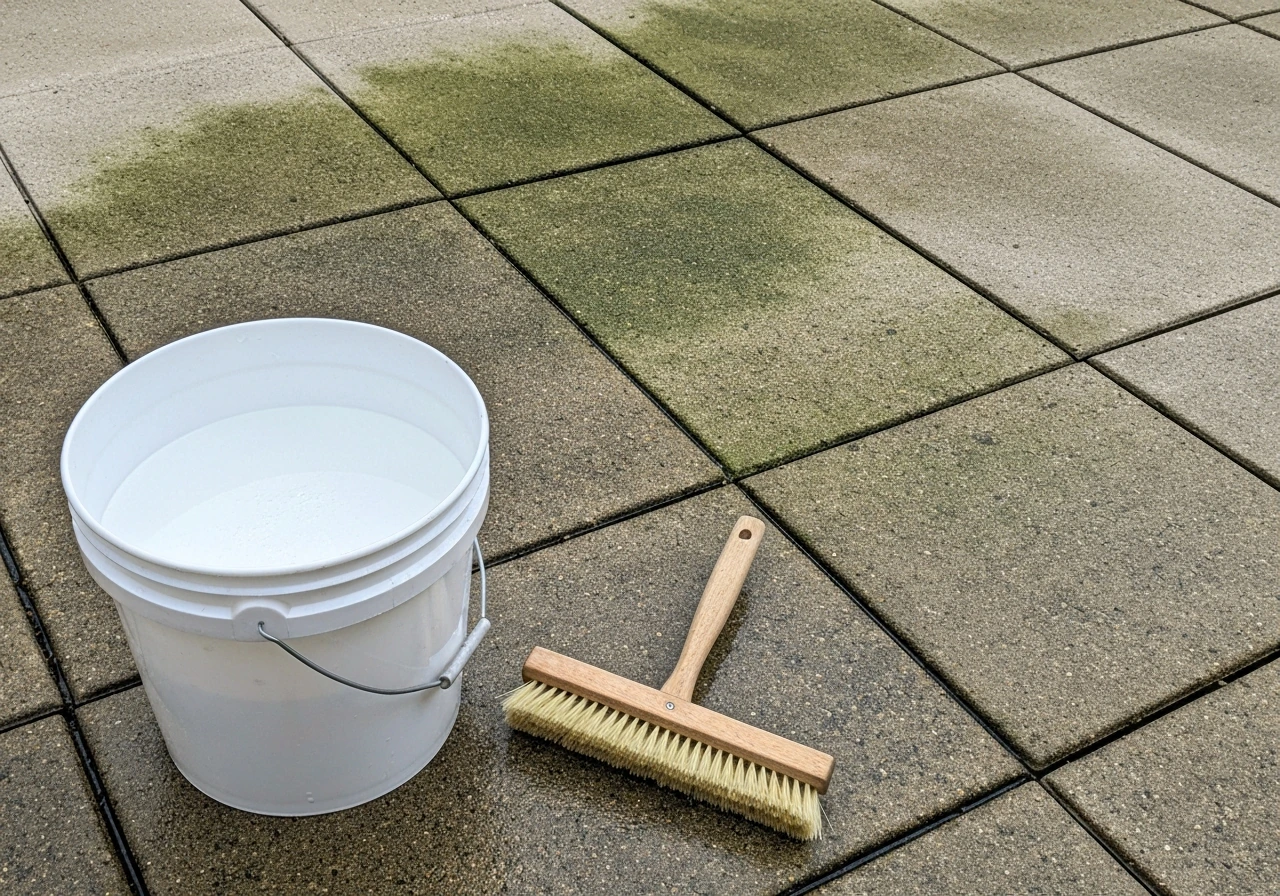
Can You Clean a Patio With Bleach? Safety and Steps
Learn if bleach is safe for concrete, brick, pavers, and stone, plus exact dilution, timing, scrubbing, and rinsing step
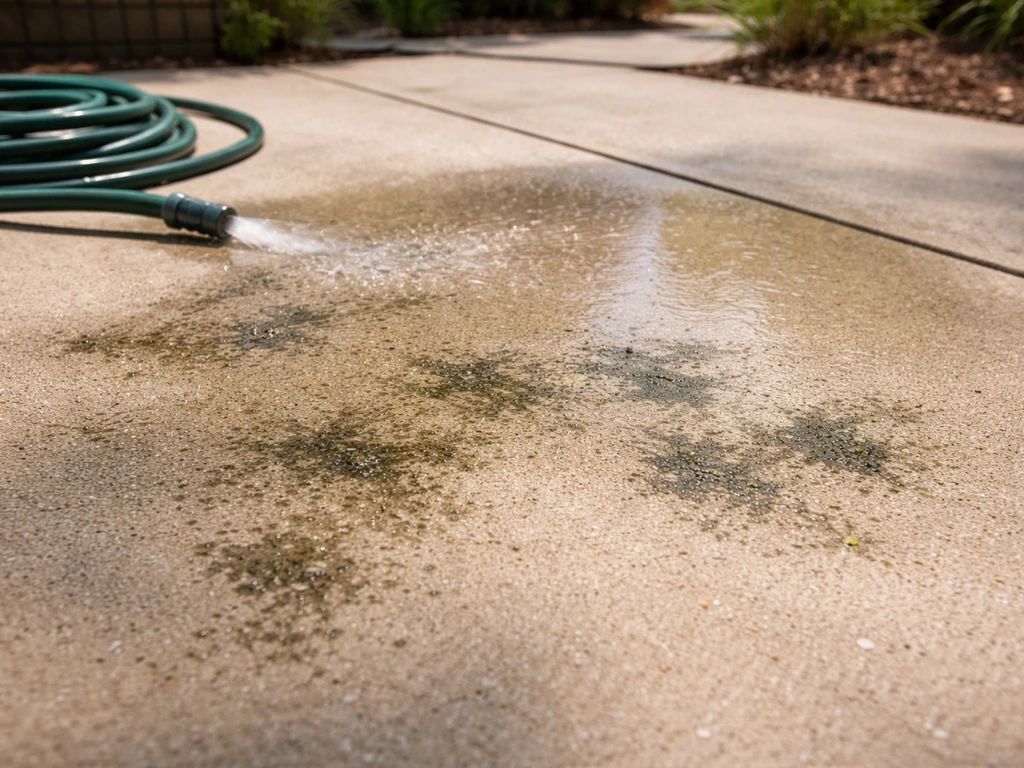
Can You Bleach Concrete Patio? Safe Step-by-Step Guide
Yes, learn if bleach suits concrete patios and follow a safe dilution, wetting, dwell, scrub, and rinse step-by-step.
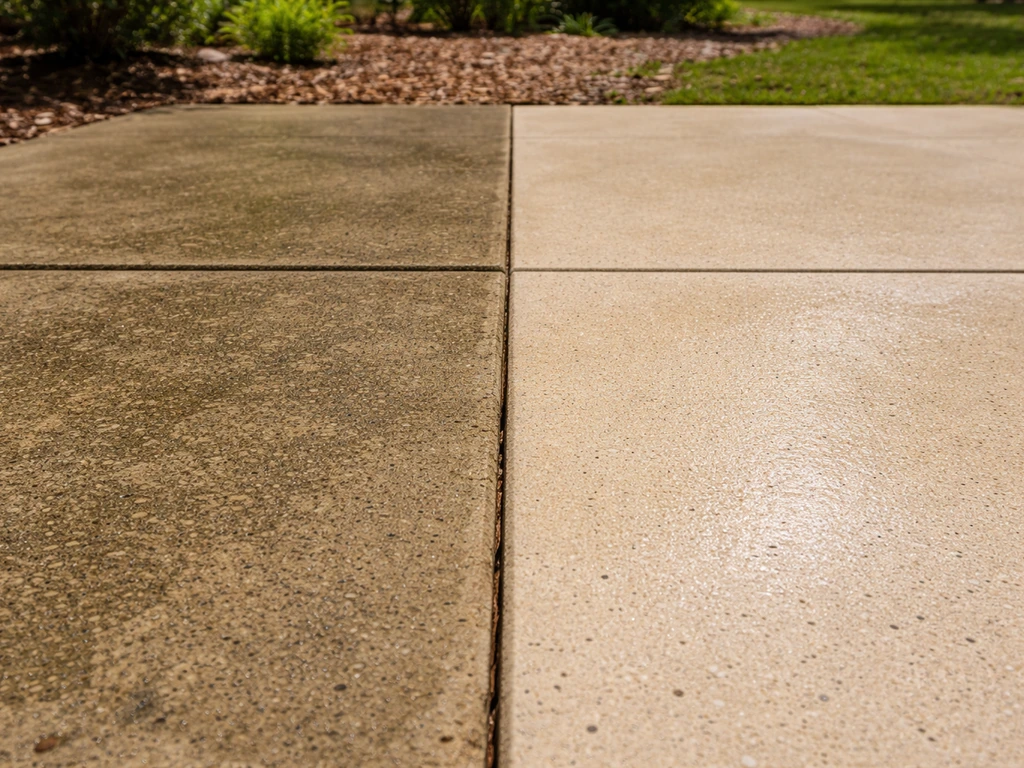
How to Bleach Concrete Patio: Step-by-Step Guide
Step-by-step how to bleach concrete patio with sodium hypochlorite, from prep and dilution to scrubbing, dwell time, and