A slippery patio is almost always caused by one of three things: algae or moss growing on the surface, a greasy or soapy film left behind from cooking or cleaning, or a chalky mineral deposit called efflorescence. Fix the underlying cause and the slipperiness goes away. The fastest fix is a proper clean with the right product for your specific patio material, followed by a thorough rinse to remove every trace of cleaner residue (which can itself become a slipping hazard). This guide walks you through identifying the cause, cleaning it off safely, and keeping it from coming back.
How to Make Patio Less Slippery: Clean, Treat, Prevent
Dylan Hale
4 May 2026
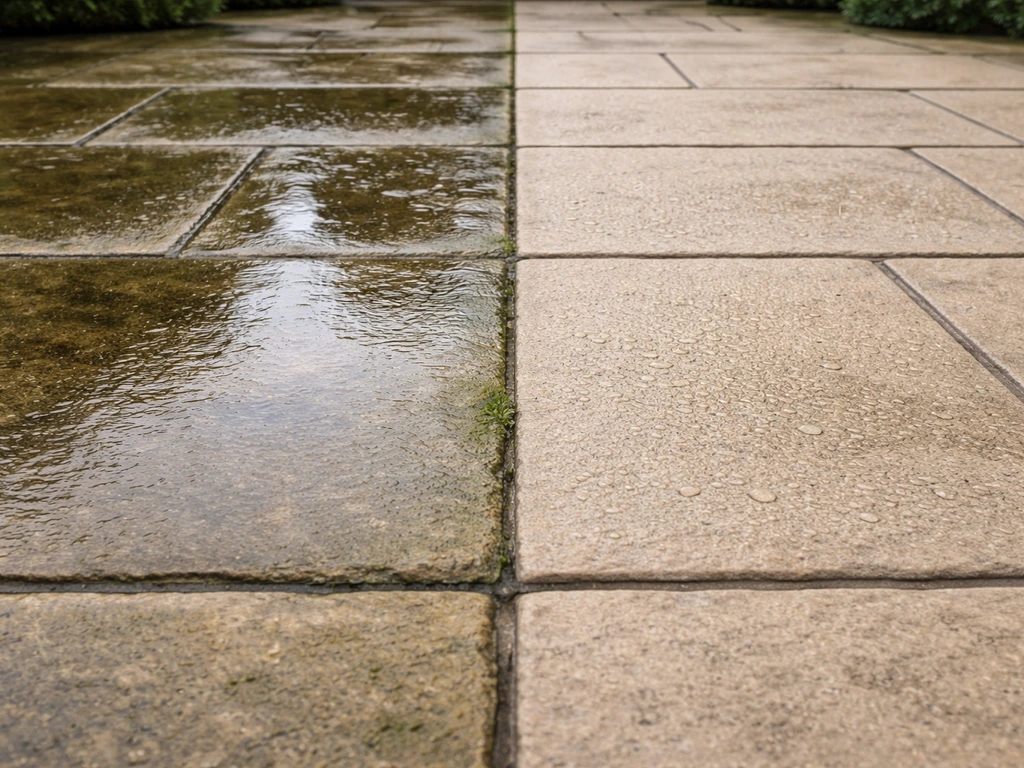
Figure out why your patio is slippery
Before you grab a mop or a pressure washer, take two minutes to look at the surface carefully. The cause tells you exactly what cleaner to use and saves you from doing the job twice.
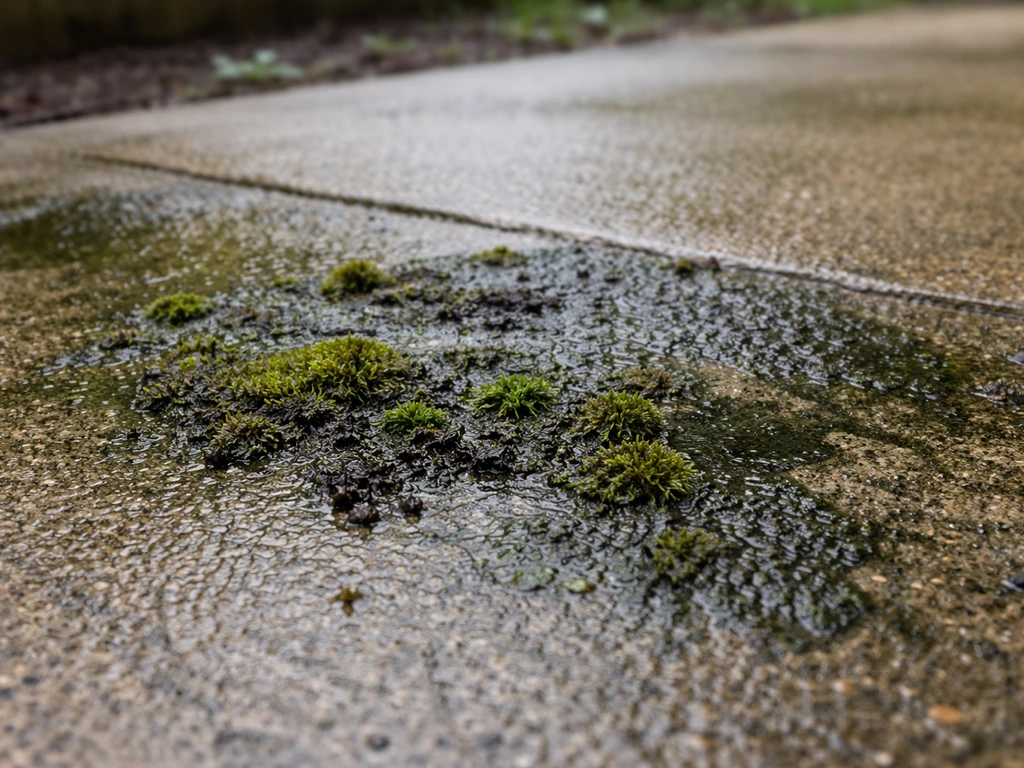
- Green, black, or dark gray film or fuzz: This is algae, moss, or lichen. It thrives in shaded, damp spots and is one of the most common causes of patio slipperiness. The surface can feel like wet soap even when growth is barely visible, especially in the early morning or late evening when a thin biofilm coats the stone.
- Slick white or chalky powder: That is efflorescence, a deposit of salts and minerals left behind as moisture moves through the masonry and evaporates. It looks harmless but can make pavers and concrete surprisingly slick.
- Greasy or oily sheen: Usually from a barbecue, outdoor kitchen, or even sunscreen tracked in from a pool deck. Grease sits on the surface and turns wet conditions into a genuine slip hazard.
- Soapy or filmy feel after recent cleaning: Leftover cleaning product residue is its own problem. If you cleaned recently and the patio still feels slick, incomplete rinsing is the culprit.
- Surface is naturally smooth and just wet: Some polished or honed stone is simply smooth by nature. If your patio looked wet and glossy before any growth appeared, you may need a traction treatment rather than a cleaning fix. That is a separate problem from a dirty surface.
Quickest safe fixes you can do right now
If you need the patio safer today and you do not have time for a full clean, here are immediate steps that actually help.
- Lay down non-slip outdoor mats over the worst spots. Rubber-backed mats designed for wet areas provide real grip on a slick surface while you work on the permanent fix. Look for mats with open drainage designs so water does not pool underneath.
- Sweep off loose organic debris. Wet leaves, moss chunks, and dirt add extra slip risk. A stiff broom takes two minutes and removes one layer of the problem immediately.
- Hose down the area. Plain water will not remove algae or grease entirely, but flushing the surface removes loose biofilm and gives you a clearer look at what you are dealing with.
- Block off the area if it is genuinely dangerous. If you have kids, elderly family members, or the surface is severely slick, rope it off or put a chair across the path until you have time for a proper clean.
Cleaning off the most common causes: mold, algae, and grease
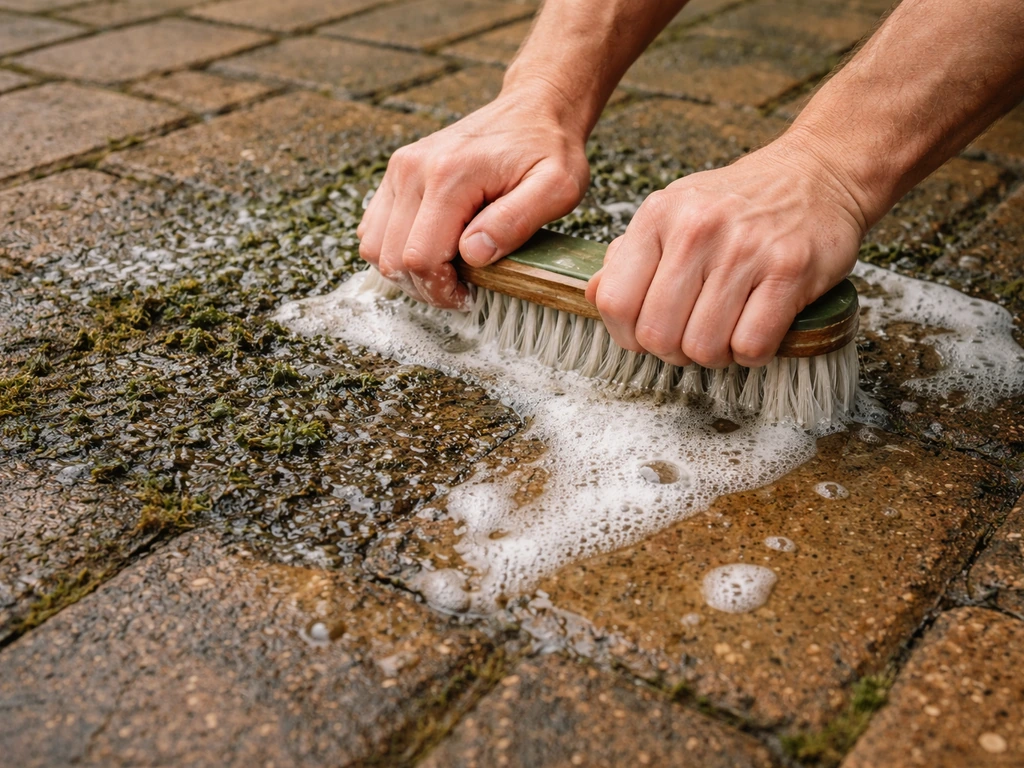
Algae and moss (the main culprit on most patios)
Algae and moss are the number one cause of slippery patios, and research on brick pavements specifically confirms that algae growth is directly linked to increased slip hazard. The fix is a cleaning solution that kills the growth at the root, not just scrubs it off the top. If you just scrub without a biocidal cleaner, it comes back within weeks.
For concrete, brick, and most pavers, a diluted bleach solution works well. For mold cleanup, the US EPA advises that using chlorine bleach or other biocides that kill organisms is not recommended as a routine practice blank" rel="noopener noreferrer">diluted bleach solution works well. Mix about three-quarters of a cup of standard household bleach per gallon of water, apply it to the wet surface, and let it sit for 10 to 15 minutes. That contact time is important: blank" rel="noopener noreferrer">Clorox's own guidance calls for a 10-minute dwell on mold and mildew stains, and the outdoor bleach concentrate version recommends waiting 15 minutes. After the dwell time, scrub with a stiff brush and rinse thoroughly with a garden hose. Rinse longer than you think you need to.
If you prefer to avoid bleach, white vinegar is a reasonable alternative on non-sensitive stone. Apply undiluted white vinegar, let it sit for 10 to 15 minutes, scrub, and rinse well. It takes more elbow grease and may need a second application on heavy algae, but it is safer around pets and plants. Do not use vinegar on travertine, marble, or limestone (more on that below).
For a ready-to-use commercial option, products like 30 SECONDS Outdoor Cleaner are popular. The standard dilution is one part cleaner to one part water. Apply, brush if needed, and rinse thoroughly within 10 minutes. It handles algae, mold, and mildew in one step and is safe for most hard surfaces when rinsed properly.
Grease and cooking oil
Grease does not respond to algae treatments. You need a degreaser: dish soap mixed with hot water works for light grease, but a dedicated alkaline degreaser or concrete degreaser handles heavier buildup better. Apply, let it penetrate for five minutes, scrub aggressively with a stiff brush, and rinse completely. Check your surface material first though: strong alkaline products can damage polished travertine finishes, so stick to pH-neutral degreasers on sensitive stone.
Efflorescence (white chalky deposit)
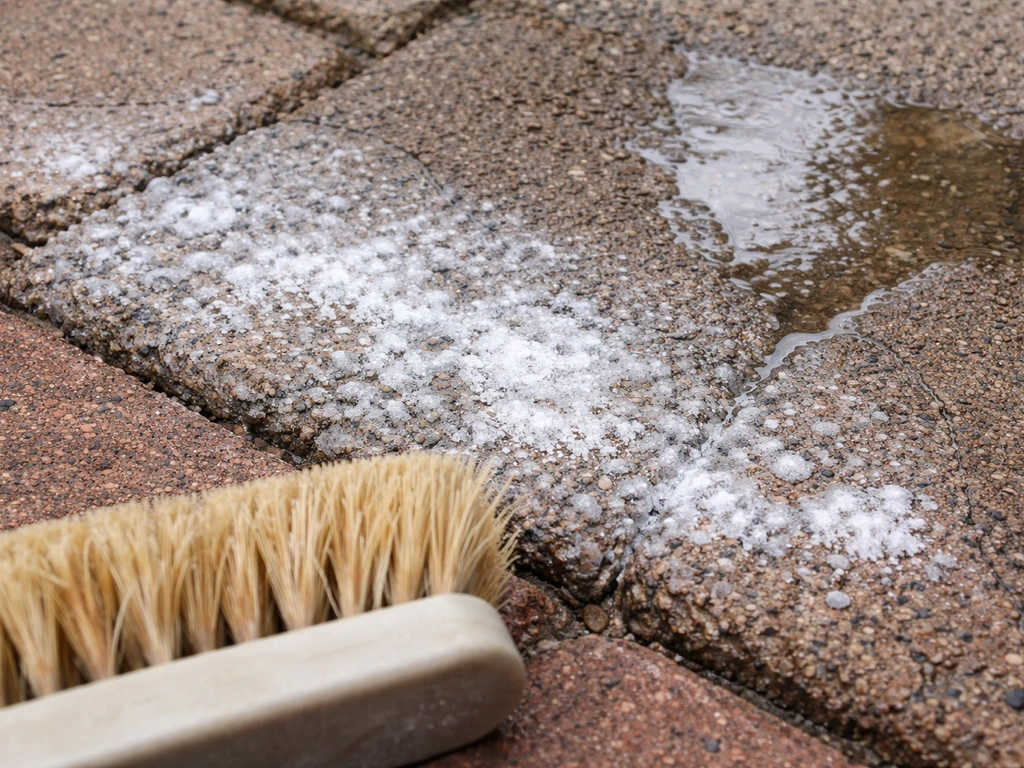
Efflorescence is that white, powdery or crystalline coating you see on concrete, brick, and pavers. It forms when moisture moves through the masonry and evaporates, leaving mineral salts behind. On a dry day it just looks chalky; when wet it can feel slick. To remove it, start by scrubbing with a stiff white nylon brush and plain water to remove as much of the loose deposit as possible. Use a white or light-colored brush, not a colored pad, which can leave residue of its own.
If dry brushing is not enough, a mild acid solution (diluted muriatic acid or a commercial efflorescence remover) will dissolve the mineral salts. Wet the surface first, apply the acid solution, scrub, and then rinse very thoroughly. After the acid treatment, neutralize the surface with a baking soda solution: roughly one pound of baking soda dissolved in five gallons of water. Rinse again with clean water and allow the area to dry completely. Use as little water as possible in the rinse phase to avoid pushing new moisture deeper into the masonry, which can restart the efflorescence cycle. Importantly, do not use acid on travertine or limestone as it causes permanent etching.
Material-specific cleaning instructions
The right cleaner for one surface can ruin another. Here is what works on each patio type.
Concrete
Concrete is the most forgiving patio surface to clean. Bleach solutions, commercial outdoor cleaners, and diluted muriatic acid (for efflorescence) all work well. For algae and mold, use the bleach method above with a 10 to 15 minute dwell. If your concrete patio is turning black, that often points to algae or mold growth that needs the right cleaner and dwell time For algae and mold, use the bleach method above. For grease, a concrete degreaser applied before pressure washing is very effective. Rinse aggressively after any chemical treatment. Allow the concrete to air dry completely before putting furniture back.
Brick
Brick handles bleach solutions well for algae and moss. For efflorescence on brick, a diluted muriatic acid solution (typically one part muriatic acid to nine parts water) can be used, but always wet the brick first to prevent the acid from being absorbed too aggressively. Scrub, rinse thoroughly, and neutralize with the baking soda solution if you used acid. Do not apply acid with high-pressure spray: apply it gently by hand with a brush or low-flow applicator, rinse, then neutralize.
Natural stone and flagstone
Flagstone and most natural stone patios can handle bleach solutions for algae in most cases, but go gentler first: try a diluted dish soap scrub or a pH-neutral outdoor cleaner before reaching for bleach. Avoid strong acid cleaners on any natural stone unless you have confirmed the specific stone is acid-tolerant (most are not). Rinse thoroughly and let dry before assessment. If algae keeps returning on flagstone, the issue is usually ongoing shade and moisture rather than a cleaning failure, which points toward the prevention steps at the end of this article.
Pavers
Concrete and clay pavers respond well to bleach-based outdoor cleaners and commercial algae removers. For efflorescence, the mild acid approach works, but rinse each paver section thoroughly before moving to the next. Be careful with polymeric sand joints: aggressive acid or strong bleach can break down the joint sand over time, so rinse very thoroughly and avoid letting solution pool in the joints. If your pavers look dark and wet when dry, that is a separate issue from slipperiness and worth exploring as its own topic. If you are after that darker, wet-look finish, focus on color-enhancing sealers and proper drying so your pavers look rich without adding slipperiness how to make patio pavers look wet.
Travertine
Travertine needs special treatment. It is an acid-sensitive stone, meaning bleach, vinegar, citric acid, and muriatic acid will all cause etching and dull spots. Strong alkaline products can also damage the finish on polished travertine. For algae or moss on travertine, use a pH-neutral cleaner specifically labeled as safe for natural stone. Apply gently, scrub with a soft brush, and rinse well. For efflorescence on travertine, follow guidance for acid-sensitive surfaces: mechanical removal with a stiff nylon brush and water only, with no acid treatment. If the problem is severe, consult a stone restoration professional before applying any chemical.
| Surface | Safe for bleach? | Safe for acid? | Best algae approach | Best efflorescence approach |
|---|---|---|---|---|
| Concrete | Yes | Yes (diluted) | Bleach solution, 10-15 min dwell | Diluted muriatic acid, neutralize with baking soda |
| Brick | Yes | Yes (diluted, wet first) | Bleach solution, 10-15 min dwell | Diluted muriatic acid, neutralize, rinse well |
| Flagstone / natural stone | Yes (diluted, test first) | No (most types) | pH-neutral cleaner or light bleach solution | Mechanical removal, no acid |
| Pavers (concrete/clay) | Yes | Yes (rinse joints thoroughly) | Commercial outdoor cleaner or bleach solution | Diluted acid, thorough rinse |
| Travertine | No | No (etches surface) | pH-neutral stone cleaner only | Mechanical removal with nylon brush only |
Pressure washing vs. scrubbing: which one you actually need
Pressure washing is faster and more satisfying, but it is not always the right tool. For concrete and brick with heavy algae growth, a pressure washer with a 25 to 40 degree fan tip or a surface cleaner attachment makes the job much easier. Start at the lowest effective pressure setting and work up only if needed. Avoid turbo nozzles that rotate at high speed: they can scar and pit concrete and stone surfaces. Keep the nozzle moving at a consistent pace and avoid stopping directly over one spot or reversing sharply, both of which leave visible marks. Do not apply acid solutions with a pressure washer; apply those by hand and rinse with the pressure washer afterward.
Manual scrubbing with a stiff-bristle brush is the safer choice for travertine, most natural stone, and any surface with existing cracks or loose grout. It gives you more control and less risk of damage. Apply your cleaning solution, let it dwell for the recommended time, scrub in sections, and rinse each section before moving on. I have found that a long-handled deck brush makes this much less exhausting than a hand brush.
Whatever method you use, drying time matters. A wet patio is still a slippery patio. Allow the surface to air dry completely before putting furniture back or declaring the job done. In shaded areas this can take a few hours longer than you expect. Wearing rubber-soled shoes with grip while the surface is still damp is simple common sense that prevents slips during the cleaning process itself.
What to avoid: mistakes that make things worse
- Using bleach or vinegar on travertine, limestone, or marble. Both etch the surface permanently, dull the finish, and can make the texture smoother and more slippery.
- Leaving cleaner residue on the surface. This is a very common mistake. Soap, bleach dilution, and commercial cleaners all leave a film if not rinsed out completely. That film is slippery. Rinse longer than feels necessary.
- Applying two different chemicals without thoroughly washing out the first. Mixing cleaning chemicals on a surface is a safety risk and usually makes the surface harder to clean.
- Using high-pressure spray to apply acid solutions. Apply acids by hand with a brush or low-flow applicator, then rinse with pressure or hose.
- Skipping the neutralization step after muriatic acid use. Acid residue continues to react with the surface and can damage sealers, grout, and the stone itself. A baking soda rinse neutralizes it before the final water rinse.
- Using a turbo or zero-degree nozzle on stone or brick. These concentrations of pressure can permanently scar and pit surfaces.
- Sealing a surface that is still damp or still has algae on it. A sealer applied over moisture or organic growth will trap both under the surface, leading to discoloration and continued slipperiness.
Prevention: keeping your patio from getting slippery again
Cleaning fixes the problem today. These steps keep it from coming back in three months.
Fix the conditions that algae loves
Algae and moss grow in shaded, consistently damp areas. If your patio sits under a tree or against a wall that blocks afternoon sun, that is why you keep getting regrowth. Trim back overhanging branches where possible to let more light and airflow reach the surface. Check your drainage too: if water pools on the patio after rain rather than running off, algae will keep colonizing the same spots. Even a slight slope issue can make a big difference. Improving drainage is a longer-term fix but it is the most effective one for shaded patios.
Regular cleaning schedule
The easiest prevention is not letting algae build up in the first place. A quick clean with a diluted outdoor cleaner or bleach solution once or twice a year keeps most patios in good shape. Spring and fall are the natural times because those are when moisture levels peak. If you have a heavily shaded patio, add a mid-summer pass too. A five-minute hose-down after heavy use (barbecues, pool parties) prevents grease from hardening and becoming a longer clean later.
Non-slip treatments and traction upgrades
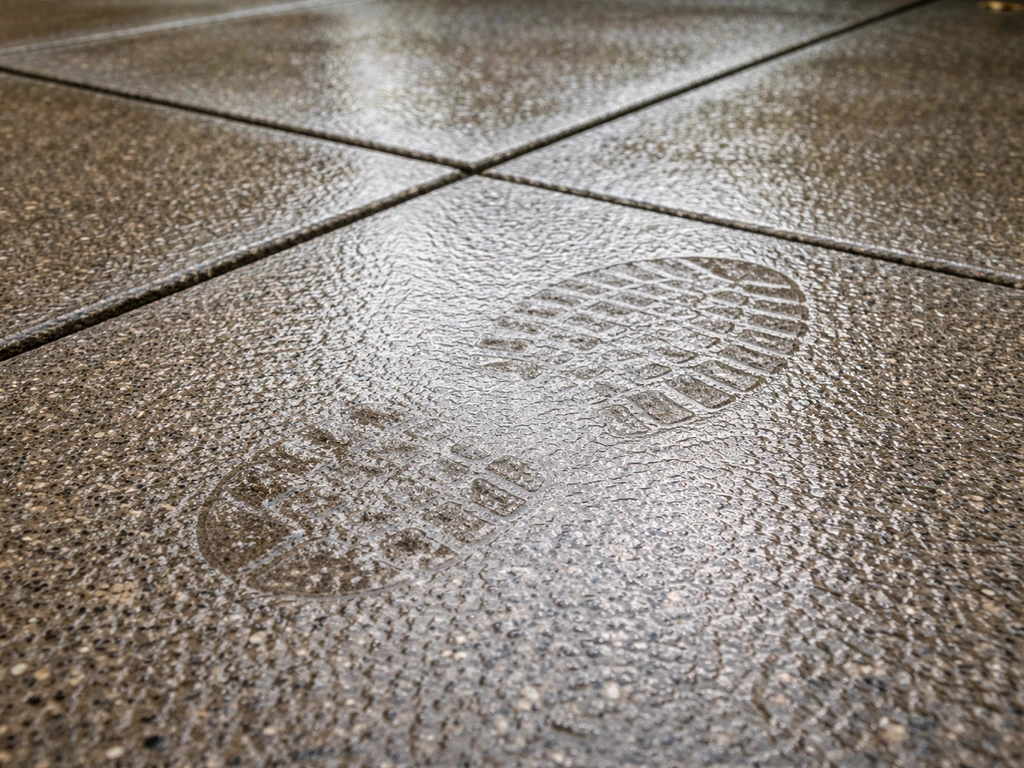
If your patio surface is inherently smooth (polished travertine, smooth concrete, or dense pavers) and becomes slippery when wet regardless of cleanliness, a non-slip treatment makes sense as a longer-term upgrade. Anti-slip sealers can help if your patio stays slick when wet, even after you clean it slippery when wet. Anti-slip sealers for concrete add a fine aggregate or textured finish that increases grip without changing the appearance significantly. For natural stone, there are pH-neutral non-slip treatments designed not to etch the surface. Apply these only to a completely clean, dry surface or they will not bond correctly.
Non-slip outdoor mats are a practical, zero-commitment option for high-traffic spots like steps, entry points, and areas near a pool or outdoor kitchen. Choose mats with drainage holes so water flows through rather than pooling. These work immediately and require no surface preparation, making them a good bridge solution while you work on the deeper cleaning or drainage fix.
Whatever you do, the pattern is the same: clean properly, rinse completely, let the surface dry, then assess whether you need a treatment on top. A clean, dry patio with good drainage is rarely slippery. Most of the time the fix is simpler than people expect.
FAQ
How soon after cleaning can I let people walk on the patio without it feeling slippery again?
Wait until the surface is fully air-dry, not just “no longer wet.” If you used bleach or an acid-based efflorescence remover, also keep traffic off until you are sure the rinsed area is dry, because cleaner residue or lingering moisture can reduce traction even when the grime is gone.
What if the patio stays slippery even after I removed algae or efflorescence?
Check for a surface-film problem (grease, leftover soap, or sealant residue) and for slickness caused by the underlying texture. Try the simplest test: rinse thoroughly with clean water and let it dry, then sprinkle a small amount of water to see if it becomes slick immediately (texture or treatment issue) or only right after chemicals (residue issue).
Can I mix bleach with other cleaners to make it work faster?
Do not mix bleach with acids, vinegar, or any “mildew remover” products, because it can create dangerous reactions and can also damage patio materials. If you need a second treatment (for example, algae then efflorescence), rinse completely and switch products only after the patio is dry.
Is pressure washing always better than scrubbing?
No. Pressure washing can scar or pit concrete, loosen joint material, and drive contaminants deeper into cracks. It is usually best for heavy algae on concrete and brick, use moderate fan coverage, start on low pressure, and scrub manually on stone and anything with cracks or loose grout.
How do I know whether my slippery patio is algae versus grease versus efflorescence?
Look for clues: algae or moss often looks green or dark and clusters in shaded damp areas. Grease typically creates a slick, slippery feel without the plant growth signs. Efflorescence looks chalky or powdery, and it may feel slick specifically when wet, while staying mostly dry-looking on dry days.
What’s the best way to rinse after cleaning so I do not leave a slipping residue?
Rinse in longer passes than you expect, especially if you used bleach, vinegar, or commercial cleaners. After rinsing, check by feeling with your hand, the surface should not feel soapy or film-like. If you notice any film, rinse again and let it dry longer.
Can I use vinegar on all patio stones?
No. Vinegar can permanently etch or dull acid-sensitive stones like travertine, marble, and limestone. For those surfaces, use a pH-neutral cleaner labeled safe for natural stone and rely on mechanical cleaning for efflorescence rather than acids.
How do I remove efflorescence without damaging joints or forcing moisture deeper?
Start with thorough dry-to-wet mechanical brushing using water only, then use the mild acid approach only if needed. When rinsing, use controlled water application, do not let solution pool in cracks or polymeric sand joints, and neutralize with baking soda solution before your final rinse and full drying.
Will sealing my patio make it less slippery?
It can, but only some sealers improve traction. Anti-slip sealers for concrete and paver systems may add texture or aggregate, while natural stone typically needs pH-neutral, non-etching traction treatments. Sealers must be applied to a completely clean, dry surface, otherwise they can trap residue and increase slipperiness.
What should I do if polymeric sand joints are present and I still need to clean?
Be careful with aggressive acid or strong bleach because it can degrade polymeric joint sand. Use the gentlest effective cleaner, avoid letting chemicals pool in joints, rinse very thoroughly, and do not treat only the surface, you want clean runoff without joint saturation.
Do mats and throw rugs actually help near a pool or outdoor kitchen?
Yes, they are a good immediate safety bridge. Choose mats with drainage holes so water does not pool on top, and place them where people naturally step. Replace any mat that becomes slick itself or accumulates algae from frequent wet exposure.
How often should I do maintenance cleaning to keep slipperiness from coming back?
A practical schedule is one to two quick cleans per year for many patios, with additional attention in spring and fall when moisture peaks. If the area is heavily shaded, consider a mid-summer pass, and do a brief grease-preventing rinse after heavy grilling or cooking spills.
Next Articles
How to Remove Thompson’s Patio Sealer Step by Step
Step-by-step removal of Thompson’s patio sealer on concrete, brick, pavers, and stone, with safety, tests, and cleanup.
Can You Remove Patio Sealer? How to Strip It Safely
Learn if you can remove patio sealer and how to strip it safely by type, material, and method.
How to Remove Resin From Patio Safely by Surface Type
Step by step guide to remove resin from patio by surface type with safe scraping, softening and solvent methods.