
For most stamped concrete patios, a diluted dish soap or concrete-specific cleaner, a stiff brush, and a good rinse is all you need for routine cleaning. For tougher jobs like mold, grease, or rust, you match the cleaner to the stain: diluted bleach for organic growth, a degreaser for grease, and oxalic acid for rust. If you're wondering which cleaner or treatment is best for your concrete patio, it helps to start by matching the product to the type of stain you see best stain for concrete patio. Pressure washing works great at 1,000 to 1,500 PSI with a 40-degree nozzle, but you can get excellent results without a pressure washer too. The key is knowing whether your patio is sealed, because that determines how aggressive you can go and whether you'll need to reseal after you're done.
How to Clean a Stamped Concrete Patio: Step-by-Step Guide
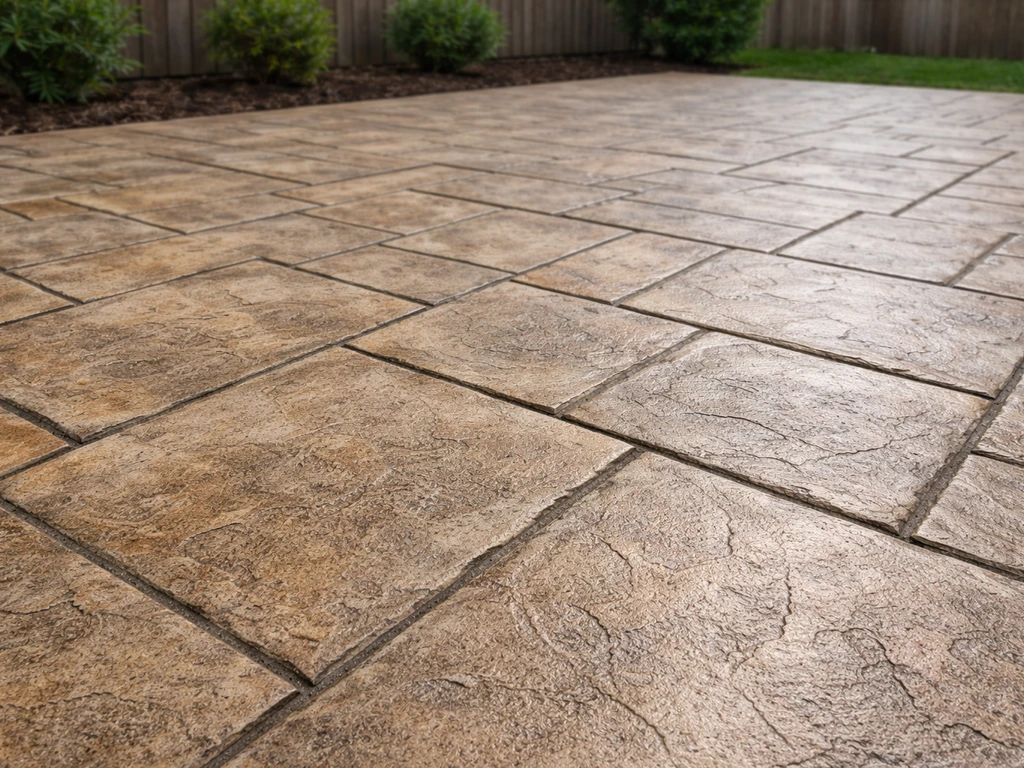
First: Figure Out If Your Patio Is Sealed
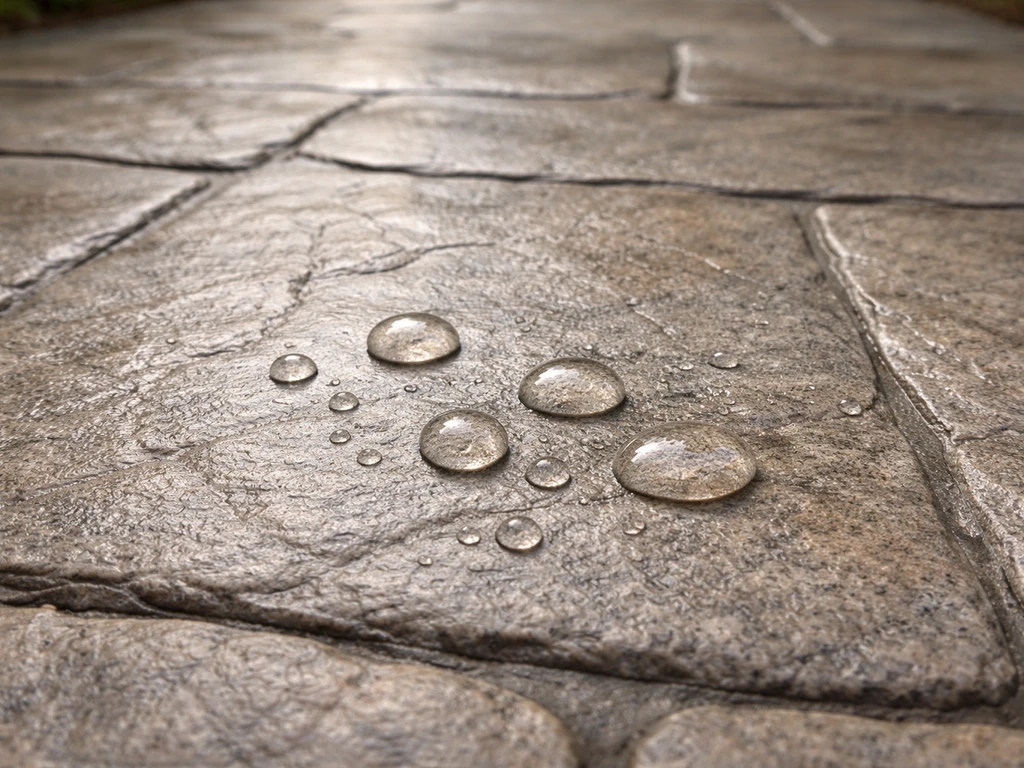
Before you grab any cleaner, do a quick water bead test. Sprinkle a little water on the surface and watch what happens. If it beads up and sits on top, you have an active sealer (usually an acrylic or topical film-forming type) and you need to clean gently to protect it. If the water soaks in or darkens the concrete without beading, the sealer is either worn out or was never there. This matters because strong acids and aggressive pressure washing can strip a good sealer, and you'll end up spending money on a recoat you didn't plan for.
Topical or acrylic sealers tend to give that glossy or wet-look sheen and produce very obvious beading. Penetrating sealers are less dramatic, the water may wet out a bit but still absorbs more slowly than bare concrete. If your surface is sealed but the beading is sluggish or barely there, that's a signal the sealer is aging and you'll want to plan a reseal after this cleaning. I'll come back to that at the end.
Routine Cleaning: Step by Step (With or Without a Pressure Washer)
Stamped concrete has textured grooves that trap leaves, dirt, and grime fast. The good news is that routine cleaning is genuinely simple and doesn't require anything fancy. Here's how I'd approach a standard clean-up, starting from scratch.
Manual Scrubbing Method
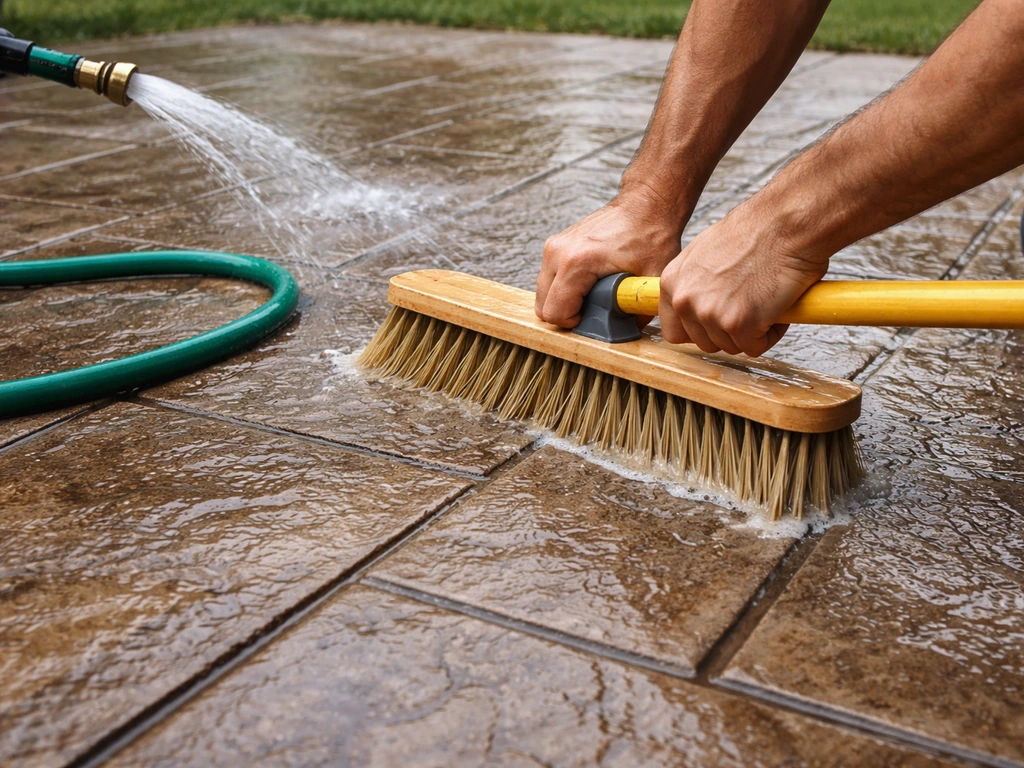
- Sweep the entire patio with a stiff broom to clear loose debris, leaves, and dirt. Get into the stamp grooves as best you can.
- Wet the surface with a garden hose. This prevents the cleaner from drying too fast and helps it spread evenly.
- Apply a mild dish soap or concrete cleaner. For tougher grime, sprinkle a powdered concrete detergent directly on the wet surface.
- Let it dwell for about 10 minutes. You're giving the cleaner time to loosen embedded dirt before you scrub.
- Scrub with a stiff-bristle push broom or deck brush, working the cleaner into the stamp texture and grooves.
- Rinse thoroughly with a garden hose, making sure all soap residue is gone. Leftover soap attracts dirt and can leave a slippery film.
Pressure Washing Method
Pressure washing cuts the time significantly and does a better job rinsing deep into the stamp pattern. The most important thing is not going too aggressive. For stamped concrete, stay in the 1,000 to 1,500 PSI range as your starting point, and don't exceed 2,000 to 2,500 PSI max. Use a 40-degree (white) fan tip, hold the wand 8 to 12 inches from the surface, and keep it moving. Never use a 0-degree (red) or 15-degree tip on stamped or decorative concrete. Those are for stripping paint or cleaning bare metal, and they will damage the texture and blow out your sealer. After you strip off the old sealer, use the same water bead test to confirm the surface is ready and decide whether you should reseal how to remove sealer.
- Sweep first, same as the manual method. Pressure washing loose debris just sprays it everywhere.
- Protect nearby plants, furniture, and any wood trim with plastic sheeting or by wetting them down thoroughly before you start.
- Apply your chosen cleaner with a sprayer or downstream injector, then let it dwell for at least 5 to 10 minutes before rinsing.
- Pressure wash in smooth, overlapping passes using the 40-degree tip at 8 to 12 inches from the surface.
- Rinse completely. Do a second rinse pass with plain water to remove any chemical residue.
- Let the surface dry for at least 24 hours before any foot traffic or resealing.
Best Cleaners for Mold, Mildew, Algae, and Black Streaks
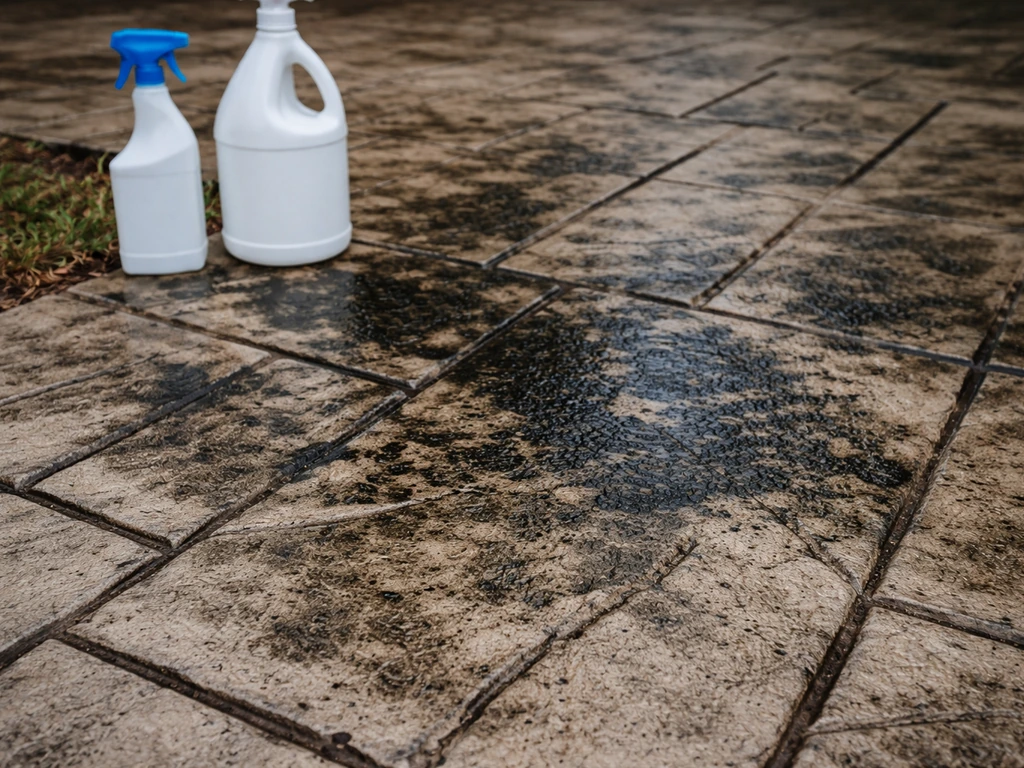
Those black streaks and dark patches you see on an outdoor patio are almost always organic: mold, algae, lichen, or a combination of all three mixed with moisture and decomposing leaf matter. Standard concrete cleaners don't touch them. You need an oxidizing agent or biocide to actually kill the growth and lift the staining.
Diluted sodium hypochlorite (plain chlorine bleach) is the most effective and accessible option. Mix one part bleach to three parts water in a pump garden sprayer. Wet the patio surface first, then apply the bleach solution and let it sit for 10 to 15 minutes. Des Moines Concrete Works similarly emphasizes letting cleaner dwell long enough before rinsing so the product has time to work blank" rel="noopener noreferrer">let it sit for 10 to 15 minutes. You'll often see the black and green growth visibly lighten. Scrub with a stiff brush, then rinse extremely well. Bleach is effective but it's not friendly to nearby plants, so keep runoff controlled and rinse adjacent landscaping with plain water after you're done. CDC-style guidance recommends preparing diluted bleach per the product label and using the right contact time for disinfection blank" rel="noopener noreferrer">Bleach is effective but it's not friendly to nearby plants.
If you have pets or kids who use the patio frequently and you'd rather avoid bleach, white vinegar at full strength is a gentler but slower alternative. It won't kill heavy mold as effectively, but for mild surface algae and routine maintenance it works. Apply it, let it sit for 20 to 30 minutes, scrub, and rinse. It takes longer and you may need a second pass, but it's genuinely safer around plants and kids.
How to Remove Specific Stains Without Wrecking the Surface
Grease and Food Stains
Grease stains from grills, cooking oil, or food drips are oil-based, so bleach won't help. Use an alkaline degreaser or a commercial concrete degreaser specifically labeled for oil and grease. Apply it to the dry stain (not a wet surface), let it dwell for 10 to 15 minutes to penetrate the pores, then scrub aggressively with a stiff brush. Rinse completely. For old, set-in grease, you may need two applications. Dish soap in high concentration works in a pinch for fresh spills, but a dedicated degreaser gets better results on older stains.
Rust Stains
Rust stains on concrete usually come from metal furniture, planters, or fertilizers with iron. Oxalic acid is the right tool for this, and I've found it to be surprisingly effective. It works by chemically chelating (binding) the iron molecules so they lift off and rinse away in water. You can buy oxalic acid deck brightener or concrete rust remover at most hardware stores. Mix according to the label, apply to the stain, and let it sit for 10 to 20 minutes. Scrub gently, then rinse thoroughly. Avoid using bleach on rust stains: it can actually darken them.
Efflorescence and Mineral Deposits
Efflorescence is that white powdery or chalky deposit you sometimes see on concrete, especially after rain or in spring. It happens when moisture moves through the concrete and carries soluble salts to the surface, which then dry and crystallize. Start by dry-brushing as much of the powder away as you can with a stiff brush. Then apply a diluted phosphoric acid solution (1 part phosphoric acid to 7 parts water) to the affected area. Let it dwell for 5 to 10 minutes, scrub, and rinse well. For heavier deposits that don't respond to phosphoric acid, muriatic acid is an option, but approach it with real caution (more on that below).
Choosing Between Chemical and Gentler Options
Not every cleaning job needs a harsh chemical, and understanding when to escalate makes a real difference both for safety and for preserving your patio's sealer and color. Here's a practical comparison to help you decide.
| Problem | Gentler Option | Chemical Option | Notes |
|---|---|---|---|
| Mold, algae, mildew | White vinegar (undiluted), 20–30 min dwell | Diluted bleach/sodium hypochlorite (1:3 with water) | Bleach is faster and more thorough; vinegar is safer around plants/pets |
| Grease and oil | Dish soap (concentrated, scrub well) | Alkaline concrete degreaser | Degreaser wins on older stains; soap works on fresh spills |
| Rust stains | Lemon juice + salt paste (light stains only) | Oxalic acid rust remover | Oxalic acid is significantly more effective; worth buying for rust |
| Efflorescence | Dry brushing + water scrub (mild cases) | Phosphoric acid (1:7 dilution) or muriatic acid (severe cases) | Always add acid to water, never water to acid; full PPE required for muriatic acid |
| General dirt and grime | Mild dish soap + stiff brush + hose | Concrete-specific detergent or pressure wash | Routine cleaning rarely needs more than soap and a brush |
A Word on Muriatic Acid
Muriatic acid (hydrochloric acid) is sometimes recommended for stubborn efflorescence that won't respond to phosphoric acid. It works, but it's genuinely harsh, and I'd only use it as a last resort on stamped concrete. It can etch the surface, damage the stamp texture, strip sealer, and potentially affect the colorant if you overdo it. If you do use it, always add the acid to water (never the other way around), wear chemical-resistant gloves, eye protection, and work in a well-ventilated area. Do a small test patch in an inconspicuous spot first. And critically: never mix muriatic acid with bleach or any chlorine-based cleaner. That combination produces chlorine gas, which is genuinely dangerous.
Rinsing, Drying, and Deciding Whether to Reseal
Rinsing is more important than most people think. For a full rundown on how to care for a stamped concrete patio, work through routine cleaning, stain removal, and sealing after rinsing. Chemical residue left on stamped concrete can dull the finish, attract fresh dirt faster, and in the case of acids, continue reacting with the surface after you've walked away. After any cleaning session, do a full rinse pass with a garden hose or pressure washer using plain water, then do it again. For bleach and acid cleaners especially, run the water until you can't detect any smell or residue. When you finish rinsing, let the patio dry fully, then apply the right sealer to protect the stamped finish going forward how to clean and seal.
Give the patio at least 24 hours to dry completely before walking on it heavily or applying any sealer. In humid weather or shaded areas, 48 hours is safer. A damp surface traps moisture under a sealer coat and causes cloudiness or peeling.
Once the patio is clean and dry, go back to the water bead test. If water still beads strongly, your sealer is in decent shape. If it absorbs or beads weakly, now is the right time to reseal. After you clean and let the patio dry fully, follow the steps for how to re-stain a concrete patio so the finish looks even and stays protected how to re-stain concrete patio. Most stamped concrete should be resealed every 2 to 3 years depending on weather exposure, foot traffic, and how much direct sun it gets. If you're thinking about cleaning and sealing in the same session, that's a smart approach and something worth planning for together. If you're thinking about cleaning and sealing in the same session, that’s a smart approach, and this is usually the key question: should i seal my concrete patio after pressure washing.
Keeping the Patio Clean Longer
The single best thing you can do to reduce how hard future cleaning jobs are is to sweep regularly and hose off the surface every few weeks during high-use seasons. Leaves and organic debris sitting in the stamp grooves are the main cause of mold and black streak buildup. Trim overhanging branches where you can. Make sure the patio has good drainage so water doesn't pool in low spots after rain. And if you notice the sealer fading or losing its bead, don't wait: a fresh sealer coat is much easier to apply to a clean surface than to one that's been accumulating staining for two seasons. Routine maintenance also means you'll rarely need to reach for anything stronger than soap and water.
FAQ
Can I clean a stamped concrete patio if I do not know whether it is sealed?
Yes. Start with the water bead test. If water soaks in or darkens, assume it is unsealed or the sealer is failing, then avoid high-PSI washing and strong acids. If it beads up, treat it as sealed and use gentler cleaners and lower dwell times to reduce the chance of stripping the sealer.
Is it safe to use a surface cleaner attachment or rotary nozzle on a stamped concrete patio?
Usually no. Surface cleaner attachments and rotary nozzles can concentrate force and easily damage the texture or erode a sealer unevenly. Stick to a fan tip, keep the wand moving, and maintain about 8 to 12 inches of distance as a safer baseline.
How do I handle black streaks if bleach keeps coming back after a week or two?
Bleach kills growth, but it will not remove the organic material deeply if leaves and debris keep getting trapped in the stamp. Improve maintenance by sweeping regularly, rinsing after pollen or leaf fall, and addressing pooling water or clogged drainage so the patio dries faster between cleanings.
What is the safest way to protect plants when using bleach?
Control runoff. Wet surrounding landscaping first with plain water, then apply bleach with a pump sprayer so it does not drift, and rinse adjacent areas thoroughly right after the patio is done. Avoid letting bleach solution sit near beds where it can be absorbed.
Can I use vinegar instead of bleach for mold on a sealed patio?
You can for mild surface algae, but vinegar is slower and often less effective on established mold. If growth is thick or recurring, bleach usually provides more complete kill. For any sealed patio, keep the dwell time reasonable and rinse extremely well to reduce risk of sealer dulling.
Should I apply degreaser to a wet patio or a dry stain?
For oil and grease, apply to a dry stain as the article notes. Wet surfaces can dilute the chemistry, push oils deeper into pores, and reduce dwell effectiveness. If the patio is already wet from weather, let it dry before treating.
What should I do if rust keeps returning after oxalic acid treatment?
Look for the rust source, such as metal furniture feet, planters, or fertilizer residue. Remove or protect the items, clean the contact area, and consider using coasters or non-rusting pads so the iron contact stops. Otherwise you may be treating the symptom repeatedly.
How can I tell the difference between efflorescence and mildew stains?
Efflorescence appears as white, chalky deposits that can often be brushed dry. Mildew and algae typically look dark (black, green, or brown), spread in irregular patches, and feel like staining in the pores. If it is powdery and improves with dry-brushing, phosphoric acid is the more targeted approach.
Is muriatic acid ever worth it on stamped concrete?
Only as a last resort. It can etch the surface, damage stamp texture, and strip or haze sealer if misused. If you try it, do a small test patch first, follow strict safety (add acid to water, ventilate, wear chemical-resistant protection), and keep exposure time short to minimize etching.
Do I need to rinse immediately after using any cleaner or can I let it dry?
Rinse as directed and do not let chemical residues dry on the surface. Residue can dull the finish, attract dirt faster, and acids can keep reacting after you stop scrubbing. Plan for a thorough rinse pass, especially after bleach and acid-based products.
How long should I wait before sealing after cleaning?
Give it at least 24 hours to dry fully, and 48 hours is safer in humid or shaded areas. If you apply sealer while the patio is still damp, you can get cloudiness or peeling. After drying, repeat the water bead test before deciding to reseal.
What if the water bead test shows weak beading, but stains are still present?
Do not reseal over lingering stains or residue. Clean first, rinse thoroughly, then dry completely and retest beading. Sealer bonds best to clean, properly prepped concrete, and trapped staining can keep migrating under the new coat.
How can I prevent streaking or uneven color after pressure washing?
Avoid changing pressure or nozzle angle across sections, keep the wand at a consistent height, and do not linger in one spot. Uneven etching or partial sealer removal can create blotches. If you notice unevenness, rework gently with a uniform fan pattern and ensure full rinsing.
Should I reseal every time I clean the patio?
Not automatically. Only reseal when the patio shows weak beading after cleaning and drying, or when sealer looks visibly worn. Routine cleaning often does not require resealing if water still beads strongly, which helps preserve color and texture over time.
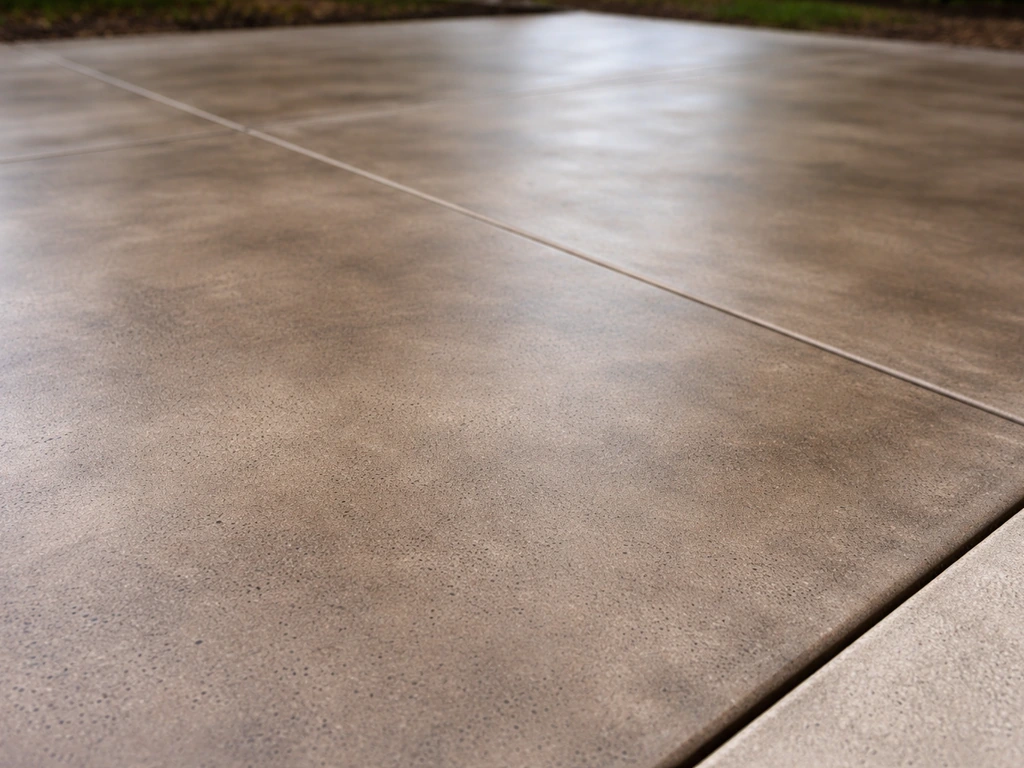
Pick the best concrete patio stain, prep properly, choose finish, and learn stain vs paint with cleaning steps.
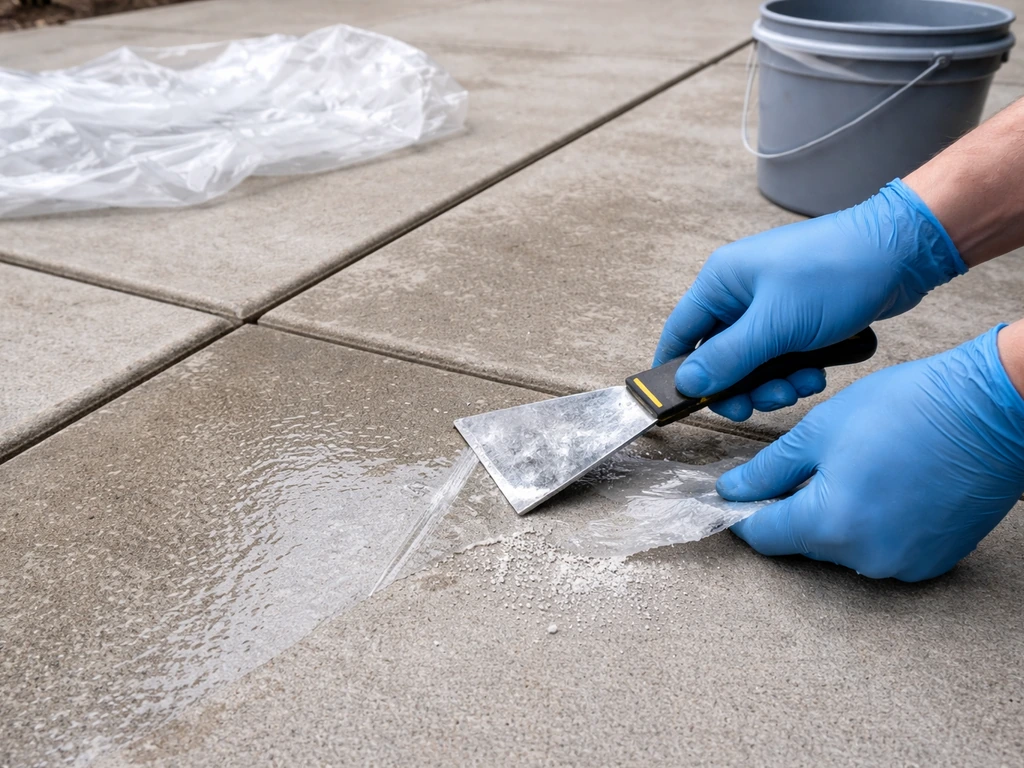
Step-by-step removal of Thompson’s patio sealer on concrete, brick, pavers, and stone, with safety, tests, and cleanup.
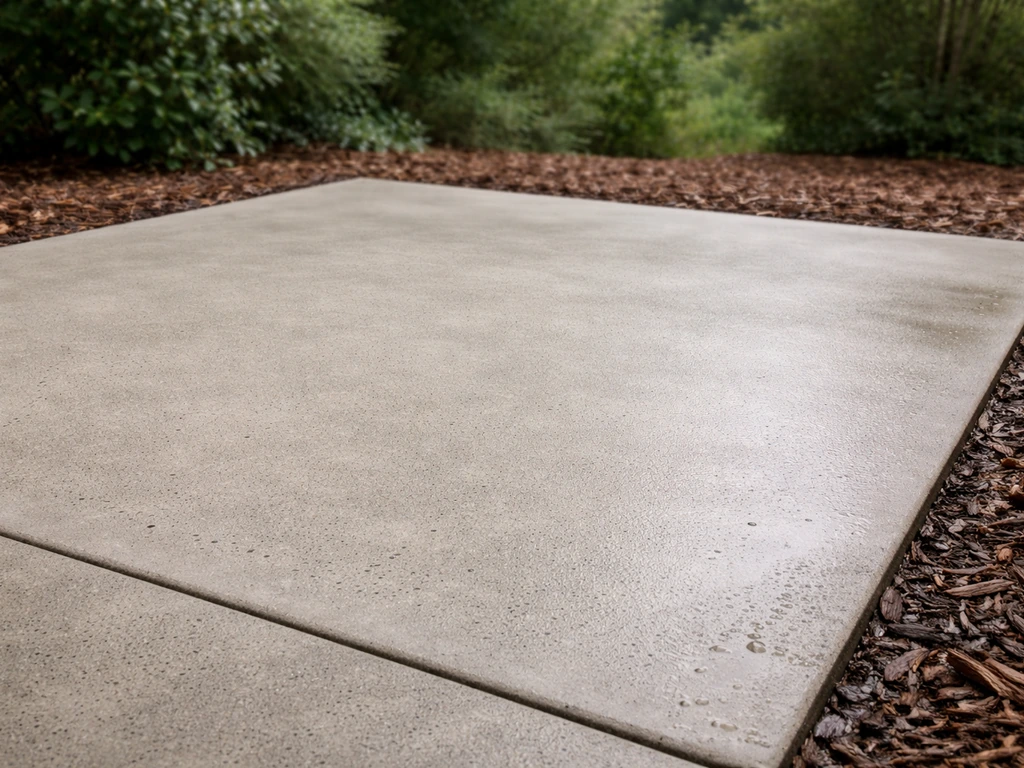
Learn if you can remove patio sealer and how to strip it safely by type, material, and method.